Why spinach iron is harder to use
Iron in spinach is non-heme iron, the form found in plants. Before the small intestine can take it up, the iron must remain in a form the gut can absorb. Oxalates and other compounds in a meal can bind some minerals, leaving less iron available to cross the intestinal wall.
That does not mean spinach’s iron disappears or that the body absorbs none of it. Absorption is a matter of degree—and the rest of the meal matters.
The meal can change the balance
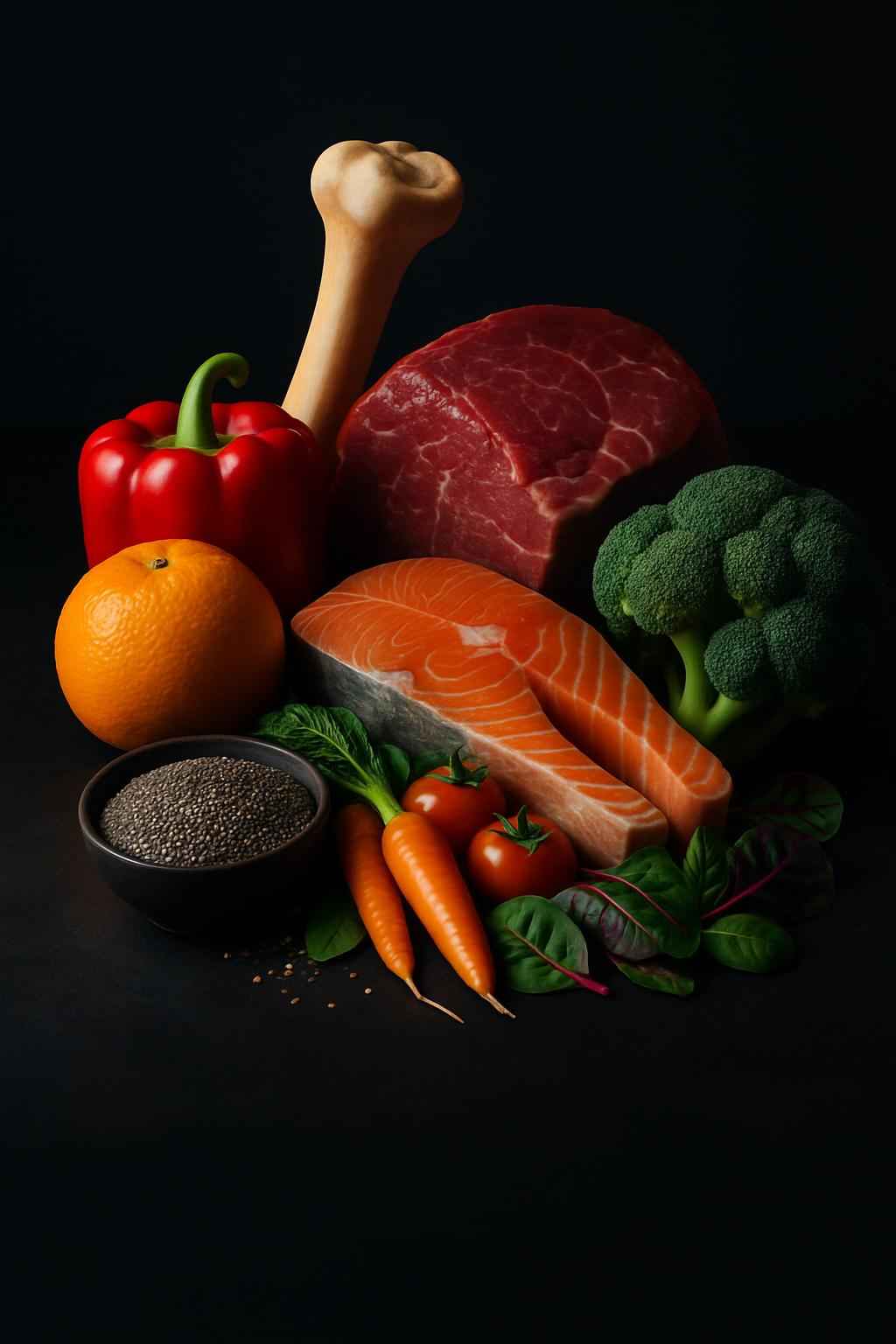
Vitamin C helps keep non-heme iron in an absorbable form. Eating spinach with foods such as bell peppers, tomatoes, or citrus can therefore support iron uptake. Meat, fish, and poultry can also improve absorption of non-heme iron when eaten in the same meal.
Cooking changes spinach’s volume and can reduce some soluble oxalate if the cooking water is discarded, but it does not turn spinach into a guaranteed high-absorption iron source. The practical takeaway is to think about the combination on the plate, not just the iron number attached to one food.
A useful distinction
Spinach still provides nutrients and can contribute iron to a varied diet. Its iron simply is not as readily absorbed as the heme iron in meat. For someone relying heavily on plant foods for iron, pairing iron-containing foods with vitamin C is a small, concrete way to make more of the meal’s iron available.