How a food preservative-like molecule becomes salicylate
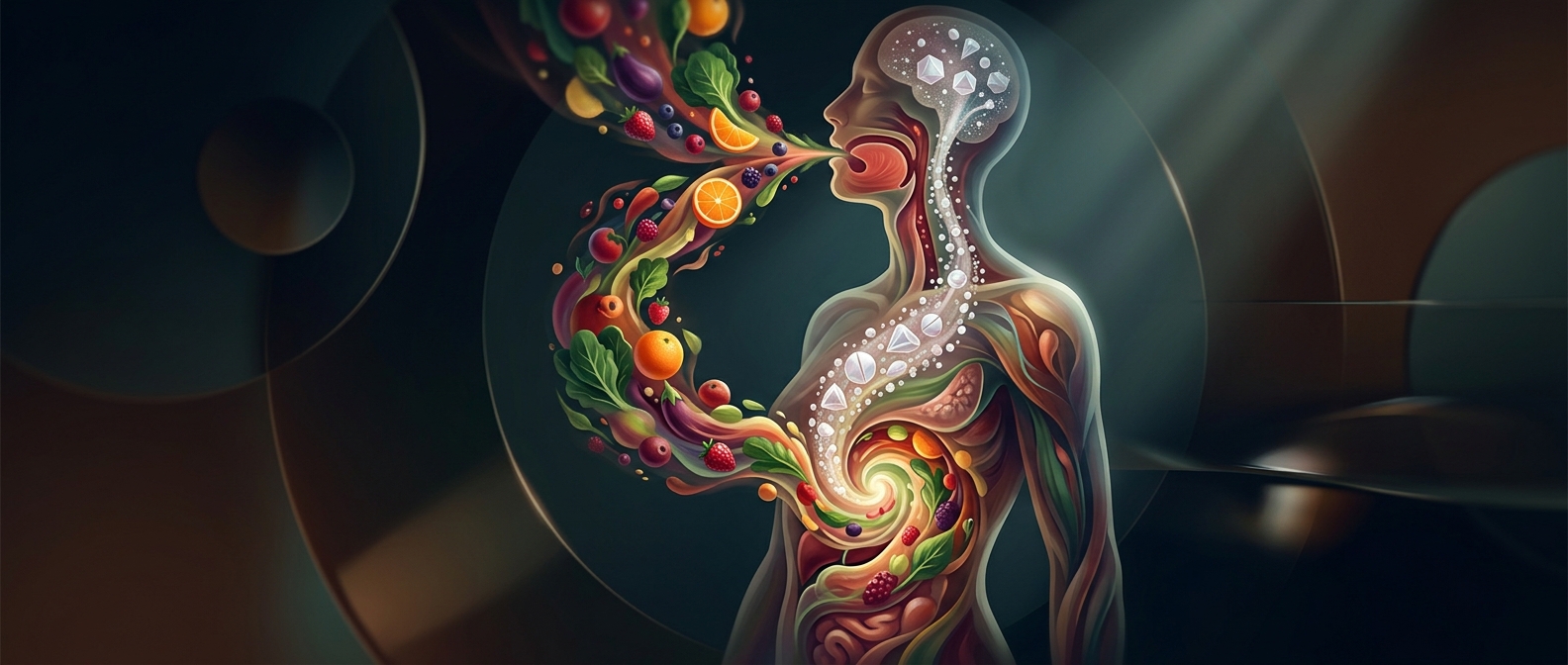
Benzoic acid occurs naturally in some plant foods, including fruits and vegetables. In the gut, microbes can transform some of it into salicylic acid, a related compound. This is a chemical conversion, not a miniature version of making medicine: the amount produced depends on what reaches the gut and how its microbial community processes it.
Salicylic acid is the molecule at the heart of the relationship to aspirin. Aspirin is acetylsalicylic acid; after you take it, the body removes its acetyl group, leaving salicylate. That shared chemical family explains the connection—but it does not mean salicylic acid made from food is aspirin.
A chemical resemblance, not a substitute for treatment
The distinction matters because aspirin’s effects depend on its dose and on how it acts in the body. Salicylate arising from food is not a dependable way to relieve pain, reduce fever, or prevent blood clots, and eating a particular fruit or vegetable cannot be treated as taking aspirin.
The more modest implication is still interesting: digestion is not just breaking food into nutrients. Gut microbes can also remodel certain food chemicals, producing compounds that resemble familiar medicines at the molecular level. The resemblance is real; the clinical effect is not equivalent.