Why an Argentine Dinner Can Keep Going After the Meal
At some Argentine dinner parties, finishing the food is not the signal that the evening is over. The meal often flows into sobremesa—the time spent lingering at the table after eating, talking over coffee or simply continuing the conversation. Coffee marks a new phase of the gathering, not necessarily a cue to reach for a coat.
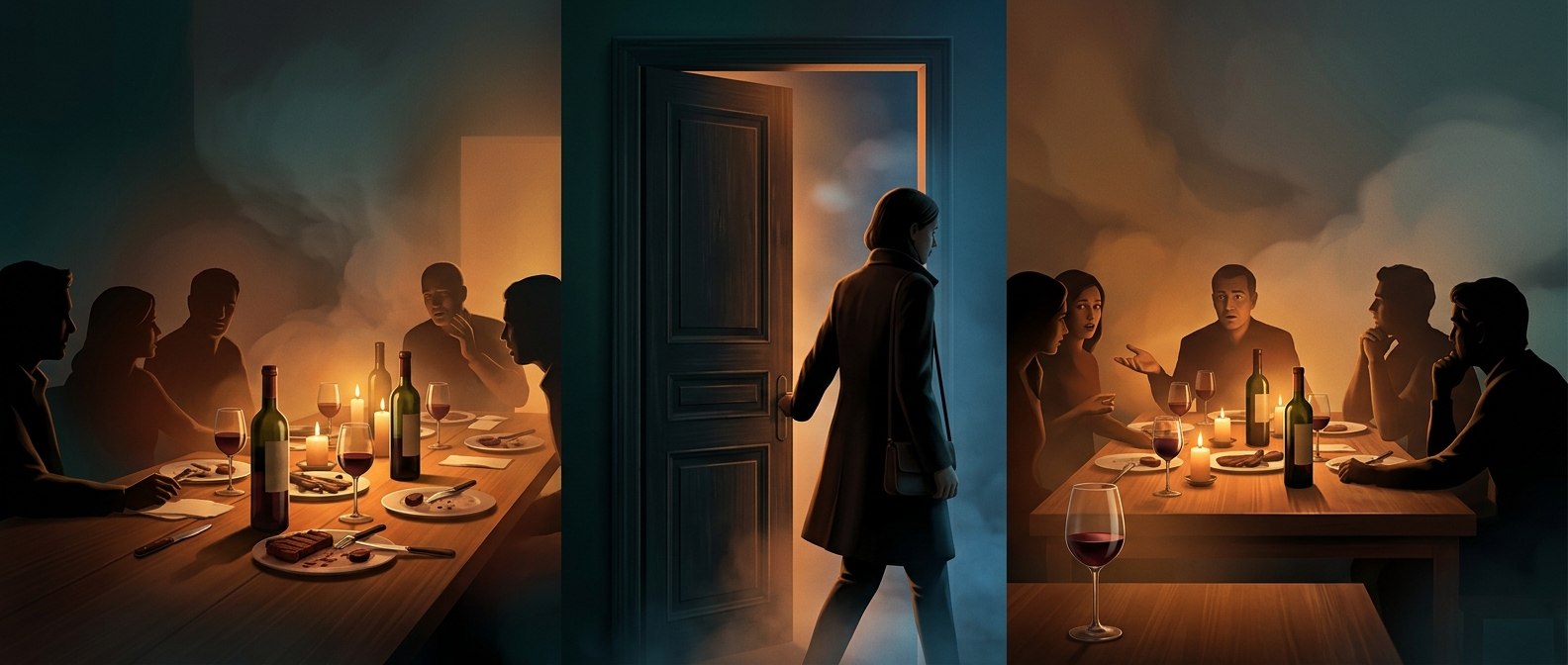
That rhythm helps explain why leaving early can feel abrupt. Hosts and guests may see the conversation itself as part of the occasion, rather than as an optional extra once dinner is done. If someone departs while others are still settled in, it can seem as though they are cutting short the shared visit, even when they have already eaten.
Reading the Room Matters More Than the Clock
Meals that stretch past midnight are possible, especially when the group is enjoying itself; that does not mean every invitation follows the same schedule. The practical cue is whether the gathering is winding down: coffee has been served, conversation is drawing to a close, or other guests are starting to leave. If you need to go sooner, a warm explanation and thanks to the hosts can make the departure feel less like a rejection of the evening.
The memorable difference is that dinner’s end may be measured less by the last bite than by the moment the table’s conversation finally runs out.