How a Second Jump Changes the Level
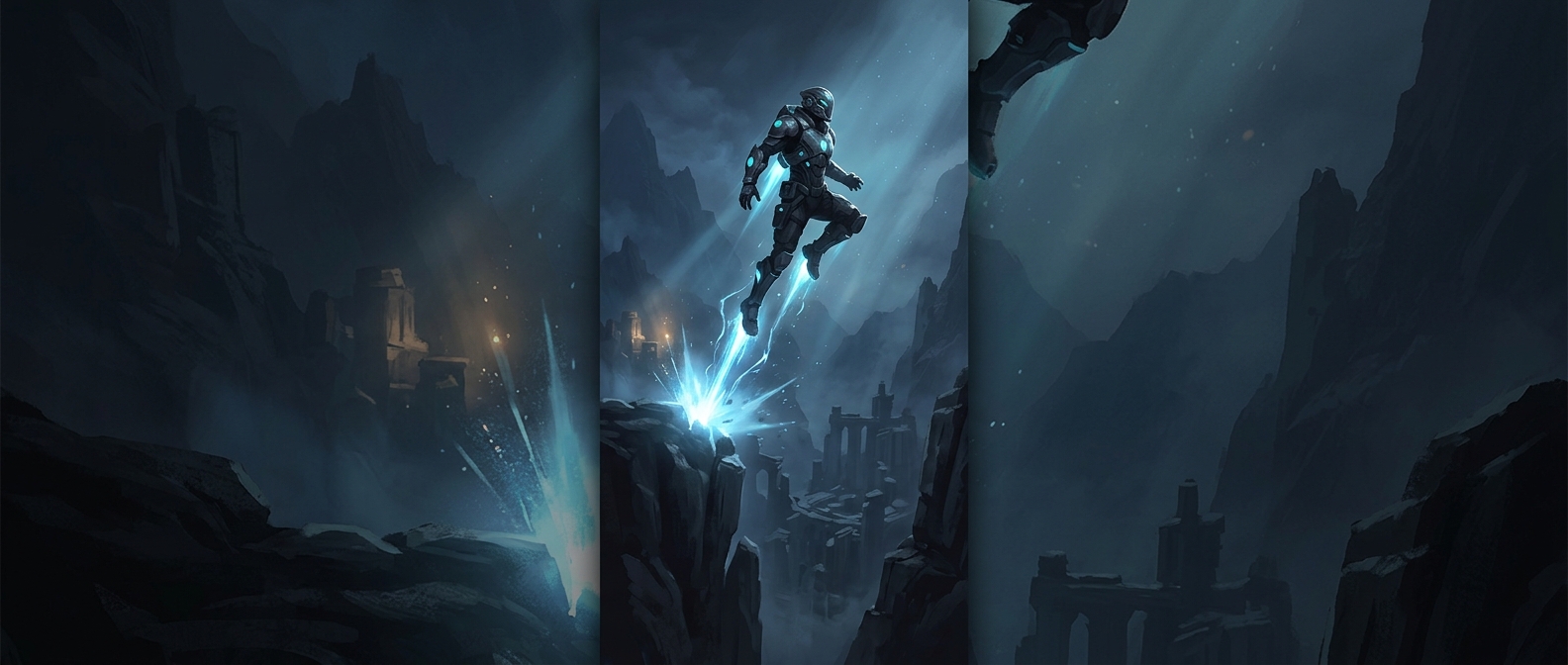
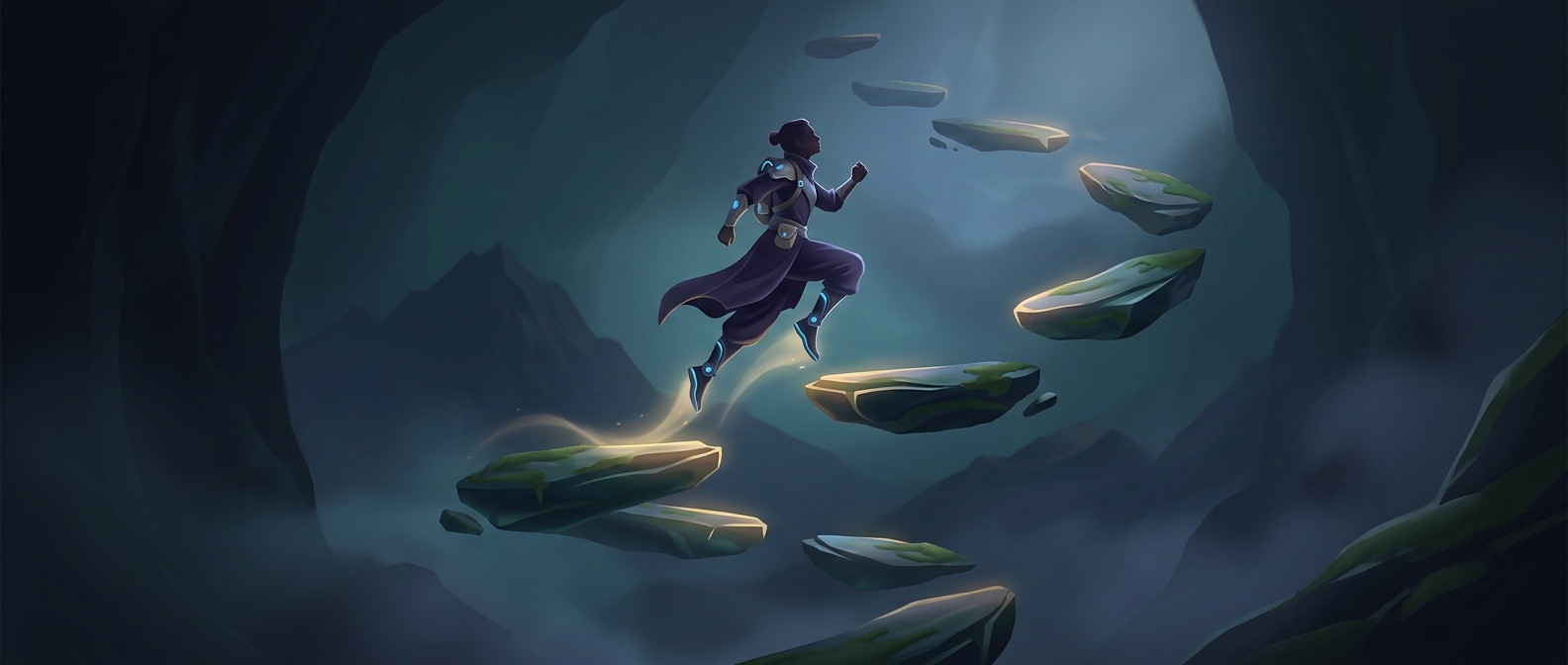
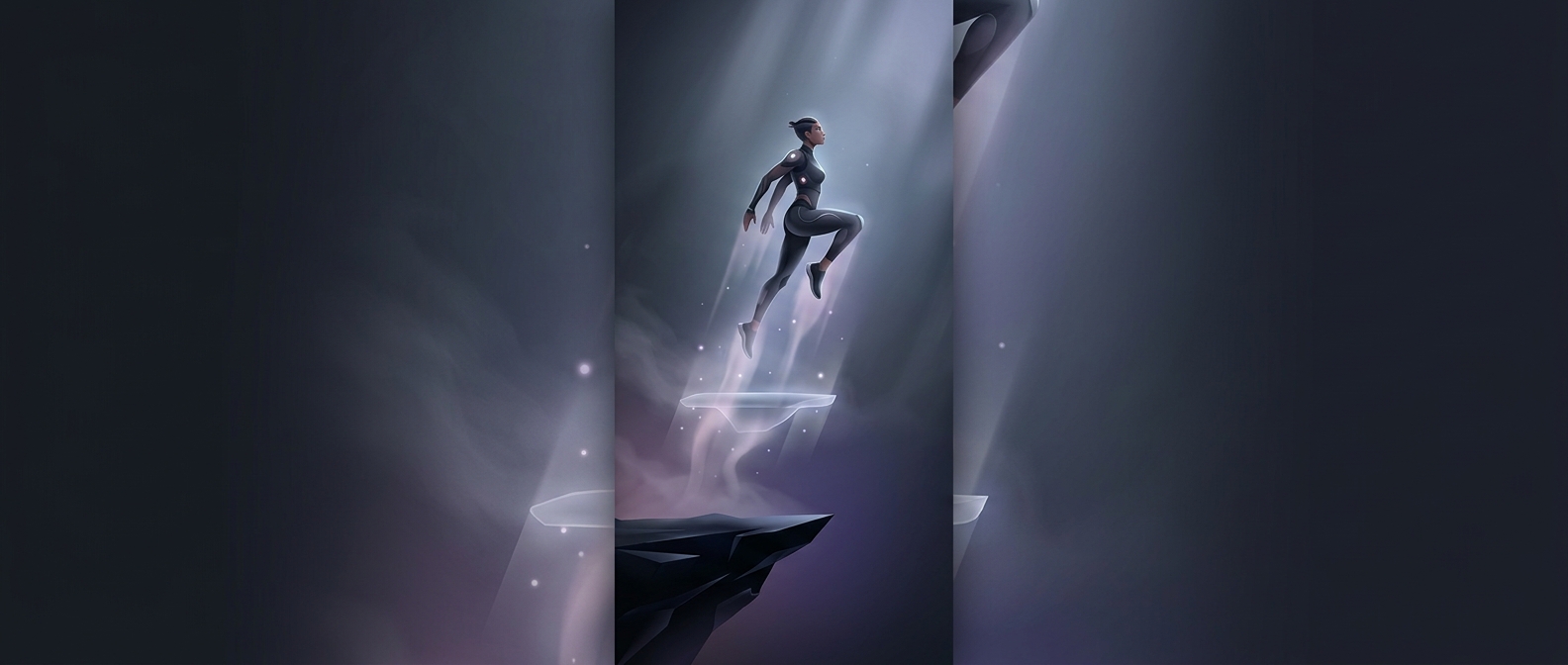
A midair jump is usually not the character pushing off an invisible surface. The game simply gives the character another burst of upward motion while they are airborne. In a common setup, the first jump uses one allowance and the next uses the remaining one; touching the ground restores both. The player experiences a physical-looking kick, but the game is granting a movement option.
A Small Rule With Big Design Effects
That extra burst changes which mistakes are recoverable. A player who falls short of a ledge can wait, judge the gap, and jump again, turning a failed first attempt into a possible landing. Designers can therefore place platforms farther apart or add midair hazards without making every missed jump final.
The boost also gives the player a choice: spend it early for height, or save it to correct a fall. Its strength and timing shape that decision. A powerful second jump can make routes feel forgiving; a weaker one may serve mainly as a last-second adjustment. Clear animation or sound can help players tell when the ability has been used or restored.
The Tradeoff Behind the Trick
More freedom can blur the intended challenge. If a second jump reaches every ledge, carefully arranged platforms may stop mattering; if it is too weak or hard to read, players may not trust it. The mechanic works best when its limits are legible and the level is built around them. What looks like a character kicking off empty air is really a compact design bargain: one extra chance to steer, in exchange for a level that must account for it.