Why 3G Could Feel Like a Leap Forward
Mobile internet did not become useful simply because a phone could connect. Earlier mobile networks were built largely for calls and basic data; 3G made richer services—web pages, email attachments, maps, and video—more practical on the move. But a phone’s connection was only one part of the journey. Data still had to travel through the network, reach a server, and return, while the handset worked within limited processing power and bandwidth.
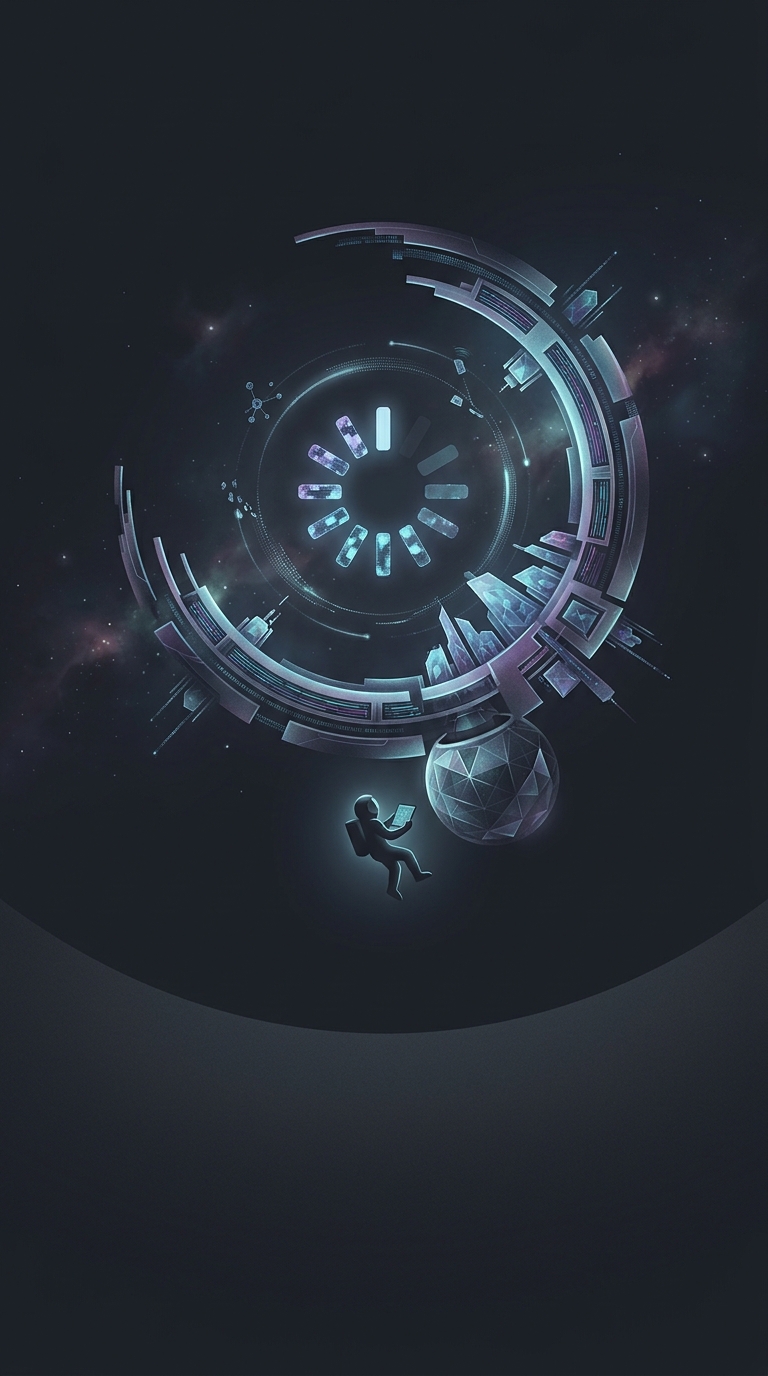
Video made those limits especially visible. A player often downloaded a small portion of a clip before showing it. That buffer gave playback a reserve: if the connection briefly slowed, the video could keep going. If the reserve ran out, playback paused while more data arrived. A spinning indicator turned an invisible delay into something users could watch.
Faster Networks Changed the Standard
As networks and devices improved, pages and video generally became quicker to load. That changed more than the time spent waiting: it changed what people expected an app to do. Services began to feel less like files being fetched and more like places already at hand. When a video now pauses, the contrast with that expectation can feel sharper than the delay itself.
The loading wheel was never the technology’s destination; it was a small sign of the bargain users made with it. They accepted pauses because mobile access was newly valuable, and the pauses showed where the system was still catching up. A future generation may find that bargain strange—but the wheel also records how quickly “good enough” can become intolerable once the connection gets faster.