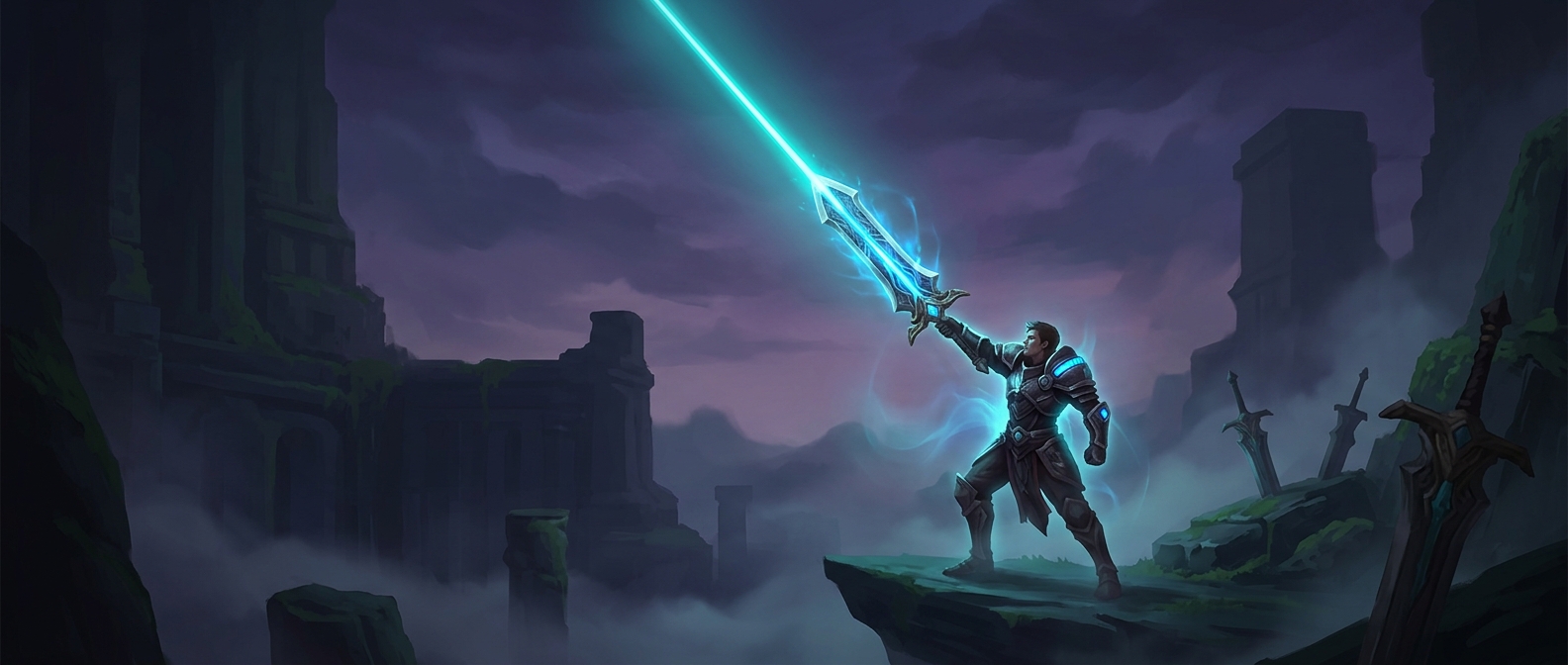
The sword is often scenery to the physics system
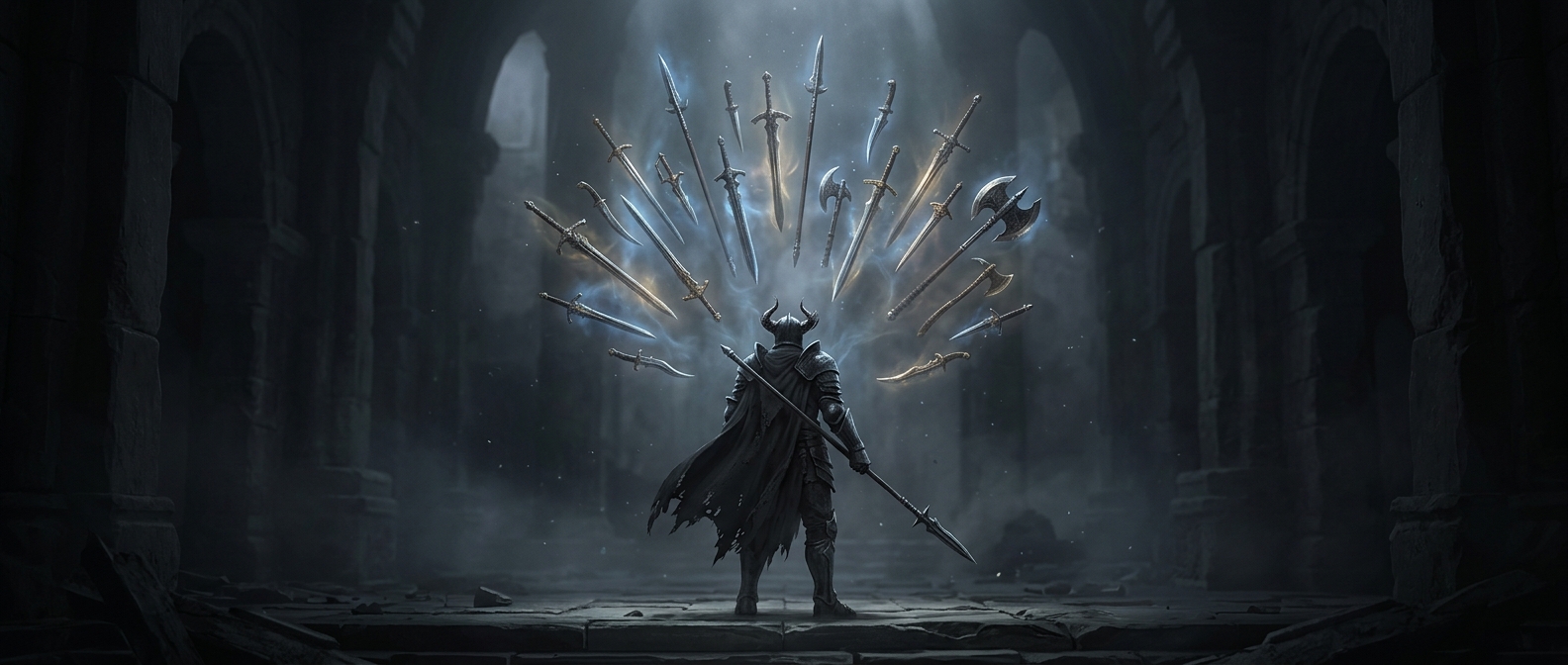
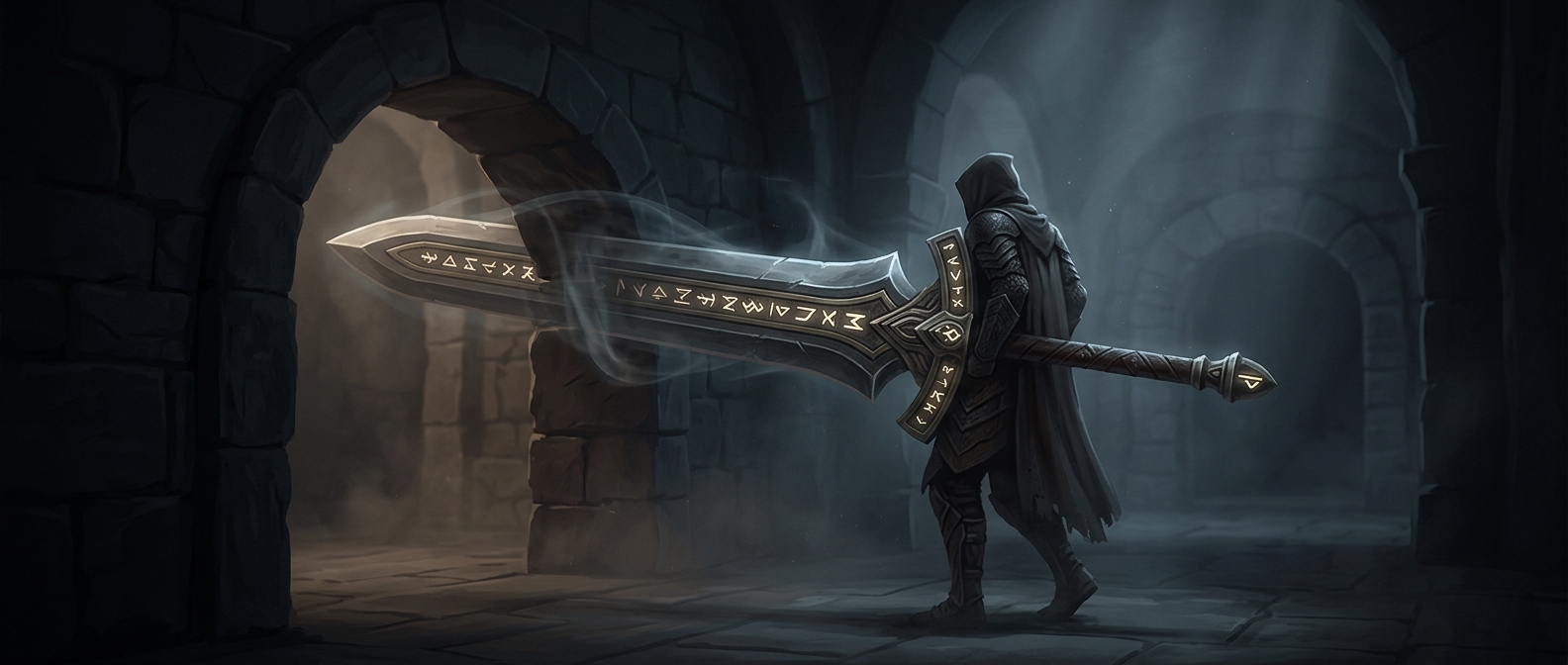
A game can draw a huge weapon without treating every part of it as a solid object. The character may move through the world using an invisible collision shape—often a capsule around the body—while the sword is rendered separately. If the blade has no active collision against walls and doorframes, it can pass through them without affecting movement.
That separation is a design choice, not necessarily a limitation. Making the weapon physically snag on every narrow passage would force players to steer around ordinary architecture, interrupting movement for a problem that may have little to do with the challenge the game wants to create.
What the game chooses to make solid
Developers can still give weapons collision when it matters. During an attack, a game may check whether the blade intersects an opponent, then use that result to deal damage. The same sword can therefore pass harmlessly through a doorway but register a hit in combat: the game is applying different rules for different interactions.
A weapon could also collide with walls, but that requires extra behavior. The game would need to decide whether the character stops, turns, or changes the swing—and ensure animations still look convincing. Those rules can be worthwhile in a game built around careful positioning, but costly or distracting in one focused on fast movement.
The result is a useful illusion: the sword looks like a cumbersome object, while the player controls a character whose movement stays predictable. In many games, the doorway is not something the blade has to fit through; it is simply part of the scenery.