Why the Shooter Doesn’t Budge
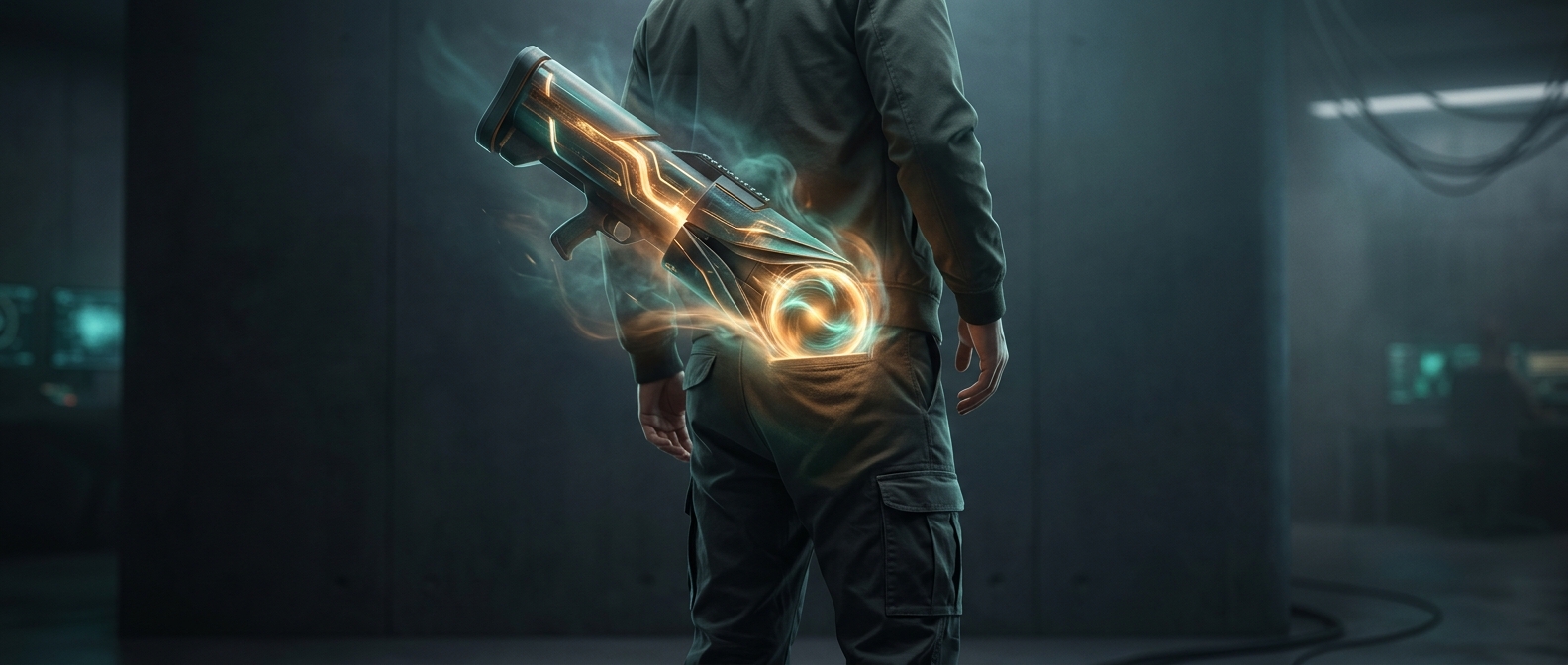
In a game, a weapon can hit with the force of artillery while its wielder barely moves because destructive power and recoil are related, but they are not the same thing. The blast’s damage depends on how much energy reaches the target. Recoil comes from momentum: when a weapon sends a projectile or exhaust gases forward, the weapon—and anything holding it—gets an equal push backward.
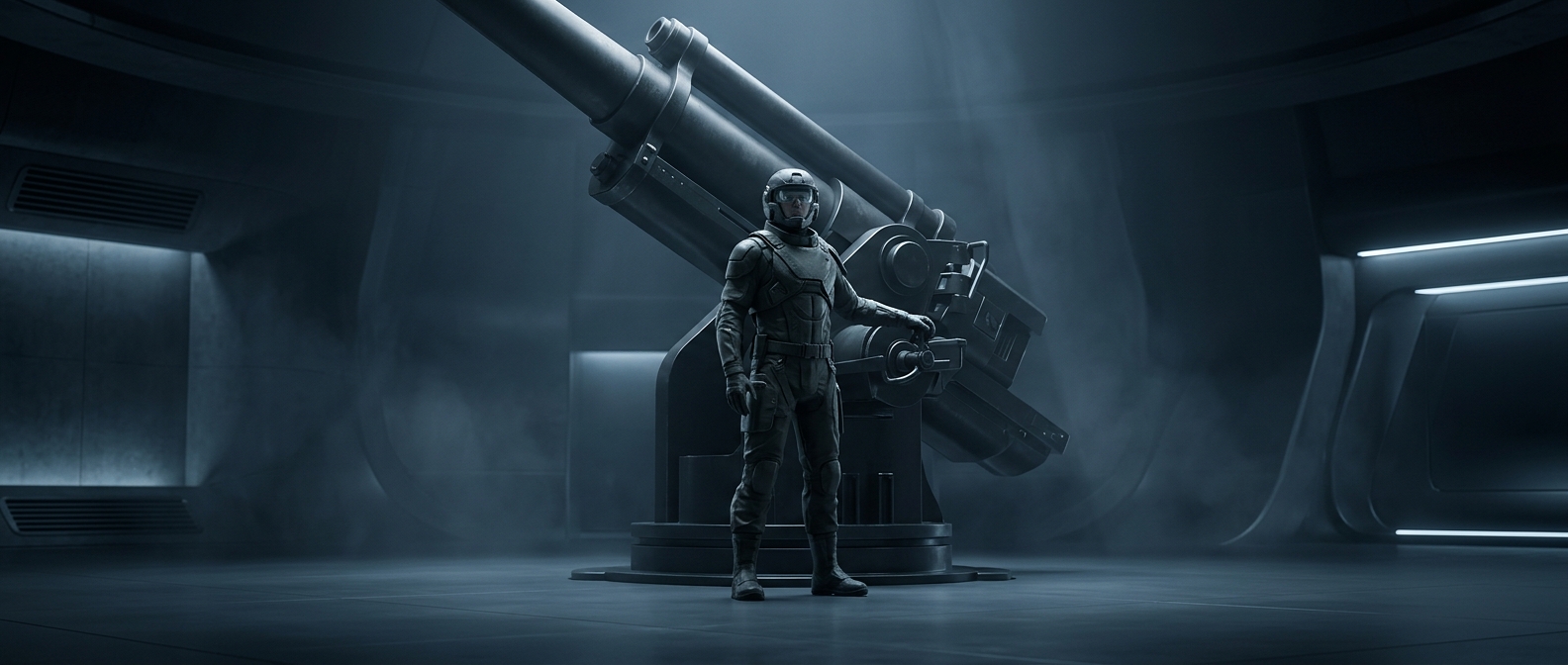
For an actual weapon, a projectile with substantial forward momentum would demand a substantial counterforce. A person could not simply absorb the recoil of a truly artillery-scale handheld gun and remain planted. Real heavy artillery avoids that problem with a massive carriage, a vehicle, or a fixed mount that transfers the force into the ground.
The Game’s Design Tradeoff
Games often separate the weapon’s effect on enemies from its effect on the player. The shot can produce a huge explosion and dramatic damage, while recoil is reduced to a brief animation—or omitted altogether. That lets players aim, keep moving, and use the weapon repeatedly without being thrown off course after every shot.
A fictional weapon might also be imagined as using some mechanism that directs force elsewhere, but unless the game explains one, the simplest answer is a design choice: the weapon’s spectacle is emphasized, while realistic recoil would make it cumbersome or frustrating. The result is a memorable mismatch—the blast behaves like heavy artillery, but the shooter behaves like recoil was never part of the weapon’s design.