Sunlight Can Erase Printed Color
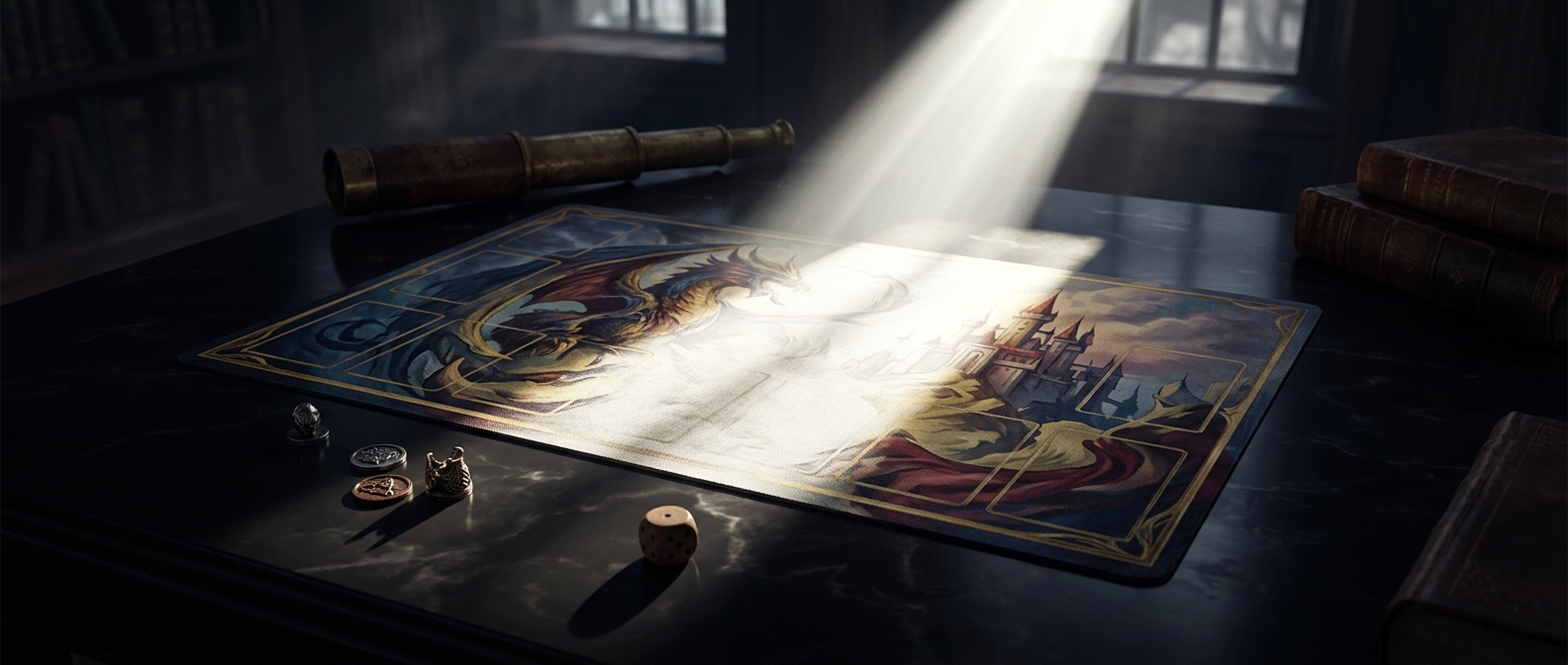
A game box left in a bright window may look fine at first, then lose its vivid artwork surprisingly quickly. The culprit is not simply heat: ultraviolet (UV) light carries enough energy to alter many of the molecules that give ink its color. As those molecules break down, they absorb and reflect light differently, so the printed image grows dull and can eventually appear gray or nearly blank.
Why the Fade Can Be Uneven
Different pigments respond differently to light. Some hold their color longer; others degrade readily, and a print’s paper, ink, and any protective coating affect how much light reaches the colorants. The result can be an image that loses certain hues before others rather than fading uniformly. A once-bright illustration may shift in appearance even while its outlines and the paper remain intact.
The damage accumulates with exposure. A short time in sunlight may make little visible difference, but repeated, direct exposure keeps the chemical changes going. “Weeks” is a useful warning, not a universal countdown: the speed depends on the ink and the intensity of the light.
A Display Choice With a Cost
For game materials, sunlight can change more than decoration. Faded cards, boards, or box art may become harder to distinguish, and a sun-bleached component can look conspicuously different from pieces kept in a drawer. Keeping printed materials out of direct sun—or behind UV-filtering glazing—reduces the light reaching the ink and helps preserve their original colors. A bright windowsill can turn a display copy into a visibly different copy before a game has seen much play.