A glow turns a weapon into an invitation
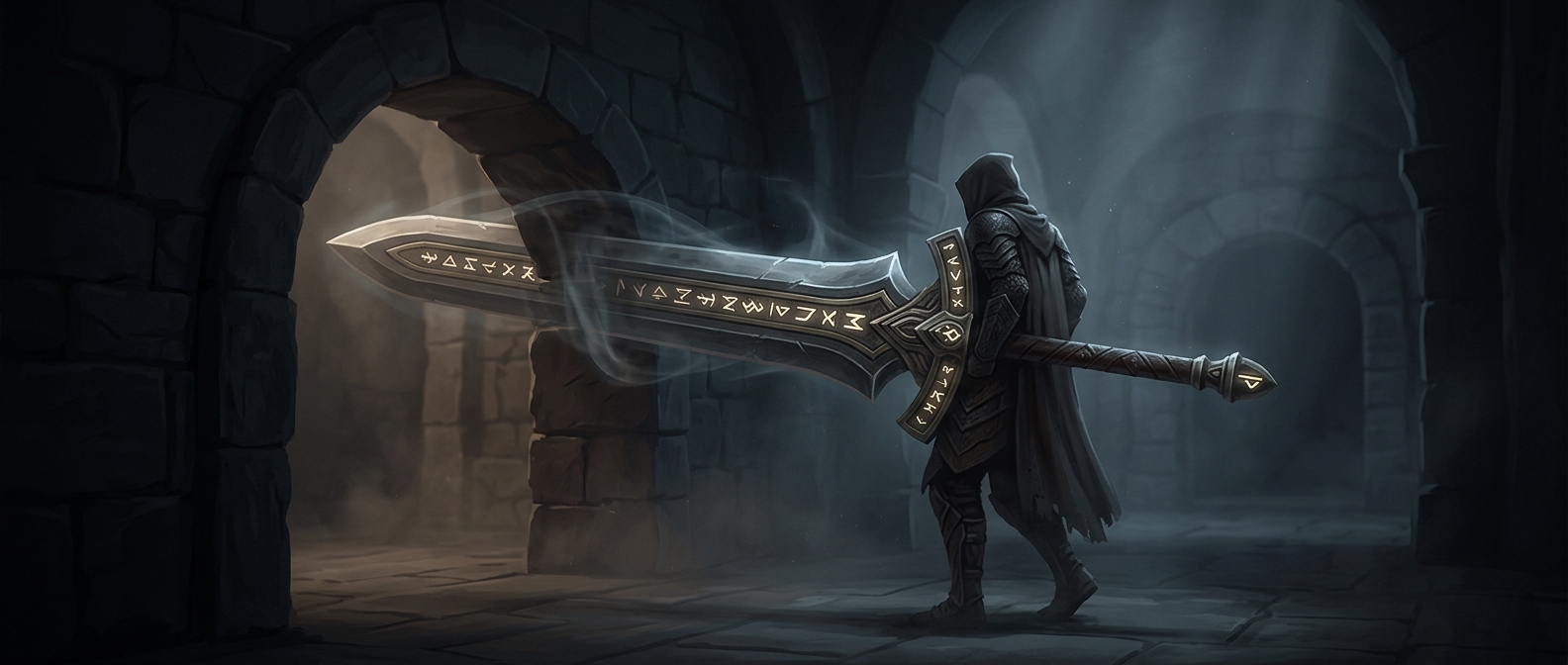
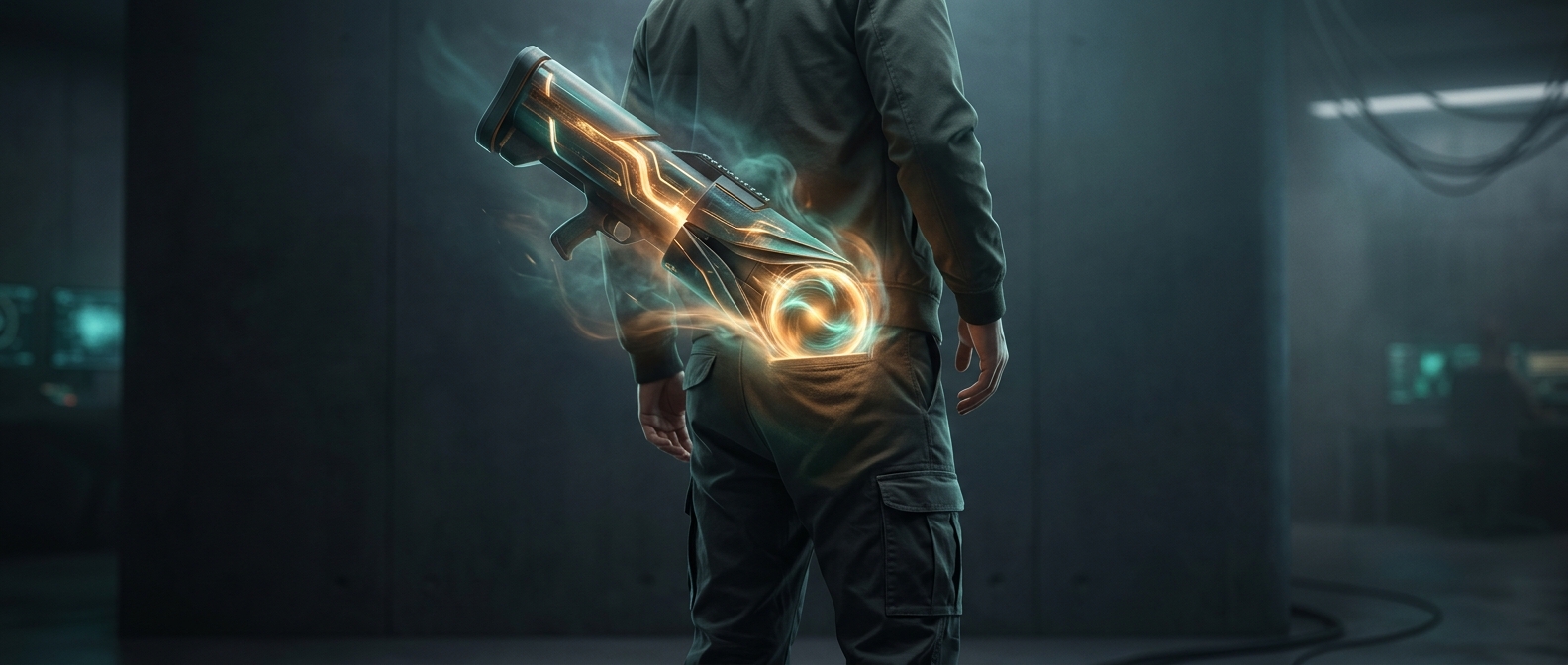
A gun lying on the ground can look like any other piece of scenery, especially in a cluttered room or during a fast fight. A bright outline or aura changes how players read it: this object is interactive, and the game expects you may want to pick it up. The glow is a visual cue, not a property of the weapon itself.
That distinction matters because games often show more than one kind of object in the same space. A dropped gun might be usable, while a broken prop that resembles one is only decoration. By marking the pickup, designers help players make that judgment without stopping to inspect every object.
A cue that works at a glance
The effect also solves a practical visibility problem. Players may be moving, looking from a distance, or scanning a busy screen while enemies and other activity compete for attention. A luminous edge separates the weapon from the floor beneath it and directs attention toward a possible choice.
The cue can carry a gameplay cost, too: seeing a weapon is not the same as safely reaching it. A player may have to leave cover, cross a dangerous area, or decide whether the new gun is worth replacing the one already held. The glow makes the opportunity legible; the player still weighs the risk.
In a tense moment, that small visual signal can turn background clutter into a decision: ignore the pickup, or expose yourself to claim it?