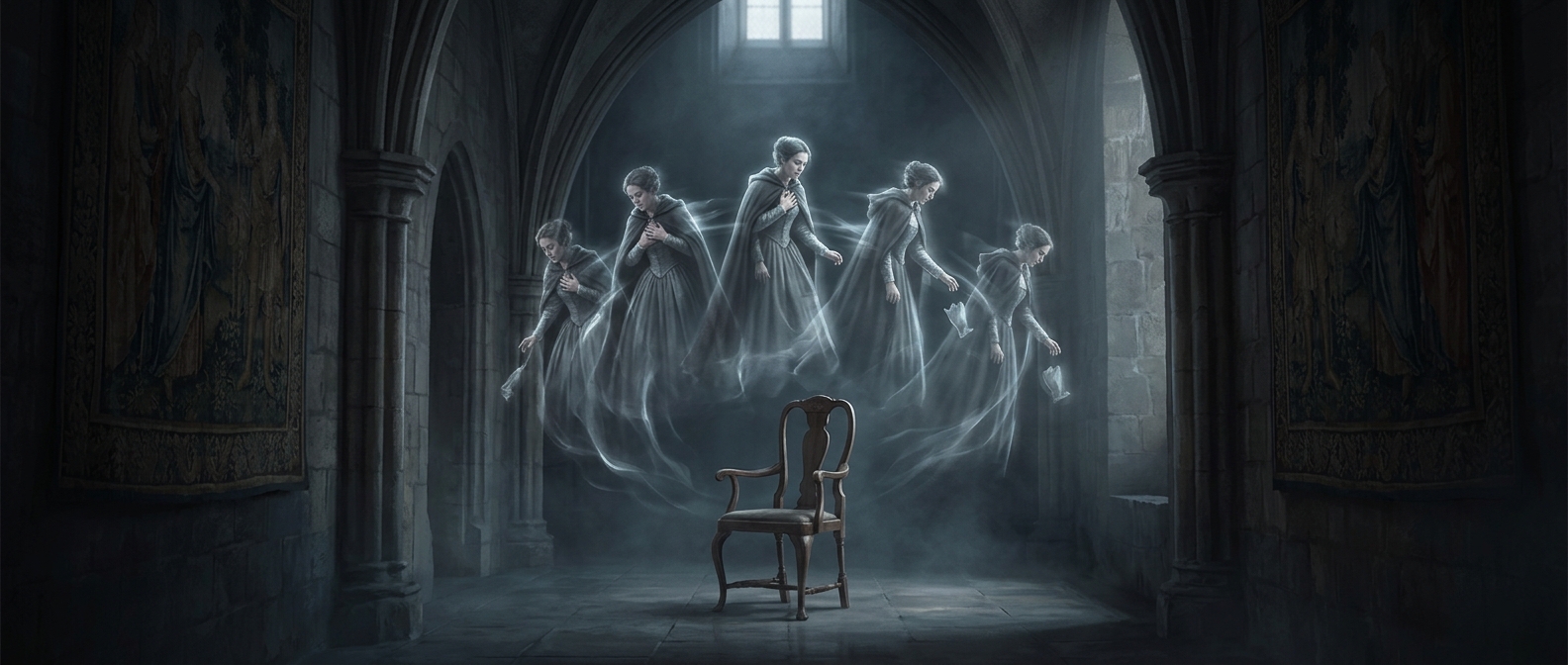
Why a Whistle Could Feel Like a Dangerous Call
At sea, wind was not just weather: it determined whether a sail filled, a boat made progress, or a crew faced a sudden struggle to stay on course. In a world where a shift in the breeze could have serious consequences, treating wind as a force that might be summoned or offended gave danger a human-like explanation. A whistle—a small, deliberate sound—could therefore be understood as an invitation to the powers behind the wind.
The belief was part of a broader way of making sense of an unpredictable environment, not a method for predicting storms. Personifying the wind made an invisible force easier to imagine: it could hear, respond, and act with intent. Silence, in turn, became a modest precaution—something sailors could control when the weather itself was beyond their control.
How a Superstition Can Outlast Its Explanation
Such customs do not need to remain universal or unchanged to persist. A warning can survive as a habit, a joke, or a bit of inherited caution even after its original supernatural explanation fades. The association between whistling and dangerous wind gives the taboo a memorable logic, so it can be repeated across generations as practical-sounding advice.
When a fisherman avoids whistling, especially in a moment that feels exposed or uncertain, the gesture can carry several meanings at once: respect for an old custom, a way to stay focused, or simply a refusal to tempt luck. The striking part is how little the ritual requires. A person can honor the warning with nothing more than a held note—and, for a moment, treat the sea as if it might be listening.