Turning a tank into a temporary boat
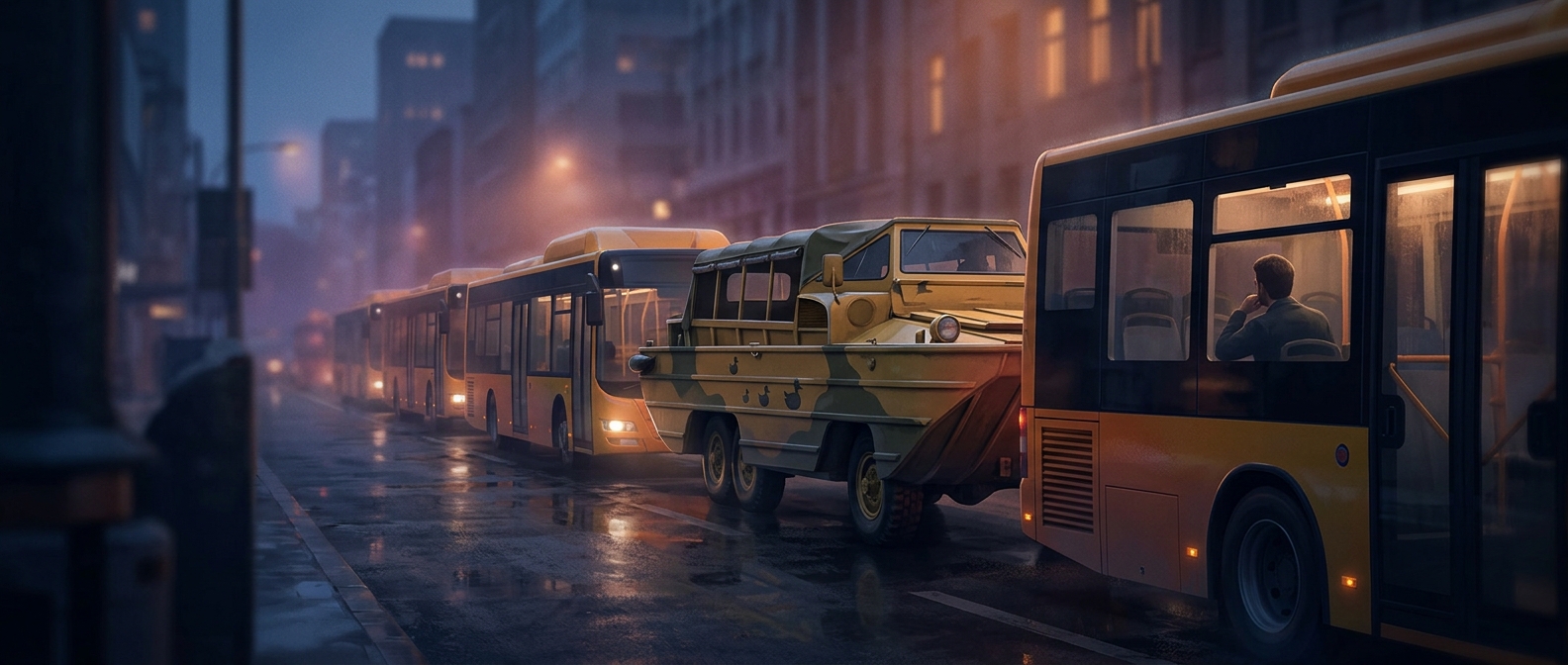
A conventional tank is far too heavy to float on its own. The Duplex Drive, or DD, tank addressed that problem with a canvas flotation screen: when raised around the hull, the screen enclosed a pocket of air and increased the tank’s volume without adding a rigid boat-shaped body. That extra volume helped the vehicle displace enough water to stay afloat.
The screen was not a sealed, armored hull. It was a flexible barrier rising above the waterline, leaving the tank with little protection from waves. The vehicle could float in manageable conditions, but rough water could swamp the screen and let water pour over the top.
A swimming tank still needed its engine
To move across the water, the DD tank used propellers powered by its own engine. This gave it a way to travel toward shore rather than merely drift, but it remained a slow, exposed craft, not a tank that could maneuver like a landing boat. Its crew had to steer toward land while the screen and propellers did work the tank was never designed for on dry ground.
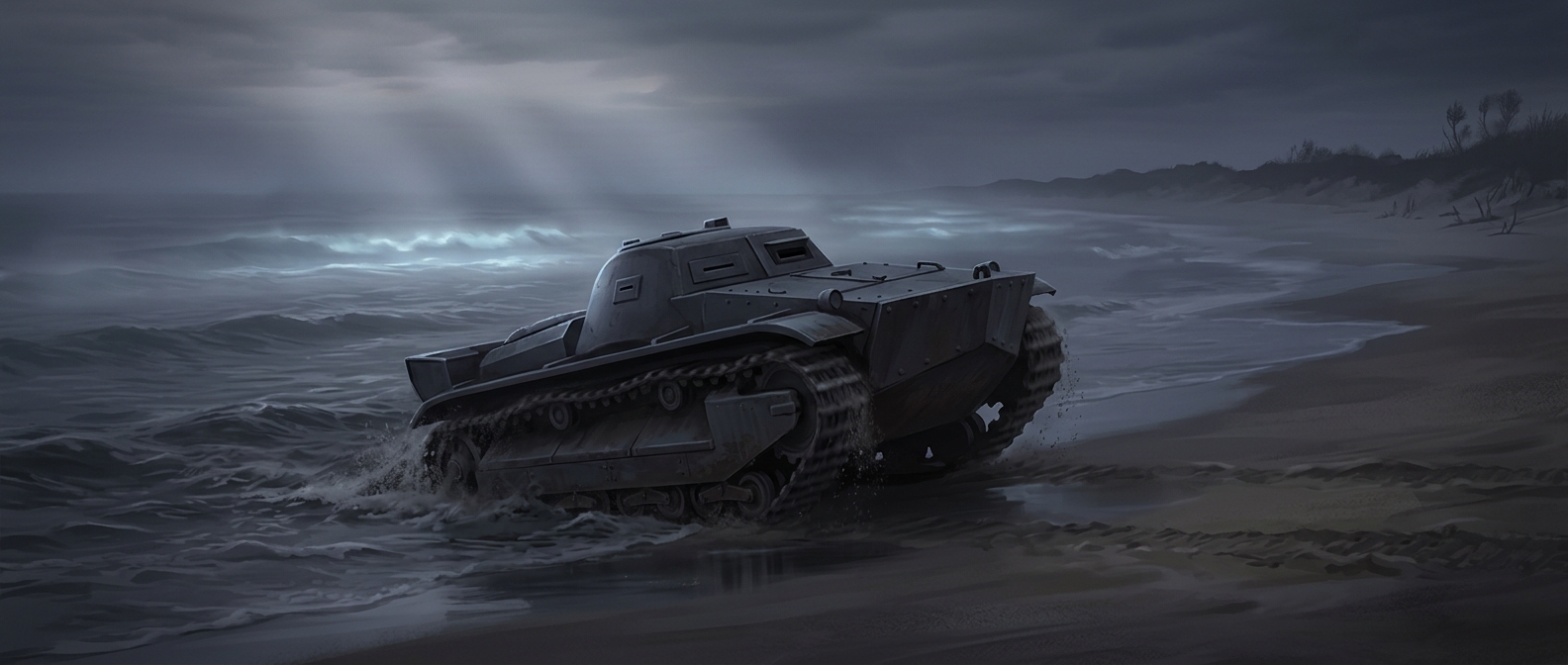
Once the tank reached shallow water or the beach, the flotation screen could be lowered and the vehicle could operate as a tank. The design’s appeal was that armored vehicles might arrive at a landing already moving under their own power. Its weakness was built into the same idea: a lightweight screen could make a heavy tank float, but it could not make that tank safe in a rough sea.