How a parasite became linked to a brain disorder
Nodding syndrome is a severe form of epilepsy seen in some children in parts of East Africa. Its name describes repeated, involuntary drops of the head, but the episodes are seizures: brief disturbances in the brain’s electrical activity. Some children also develop other seizures and, over time, problems with learning and everyday functioning.
The illness has been associated with Onchocerca volvulus, the worm that causes river blindness. The parasite spreads through bites from infected blackflies, which breed near fast-flowing rivers. In affected communities, the overlap between onchocerciasis and nodding syndrome raised a difficult question: could an infection best known for damaging the eyes also be connected to seizures?
The suspected link is indirect
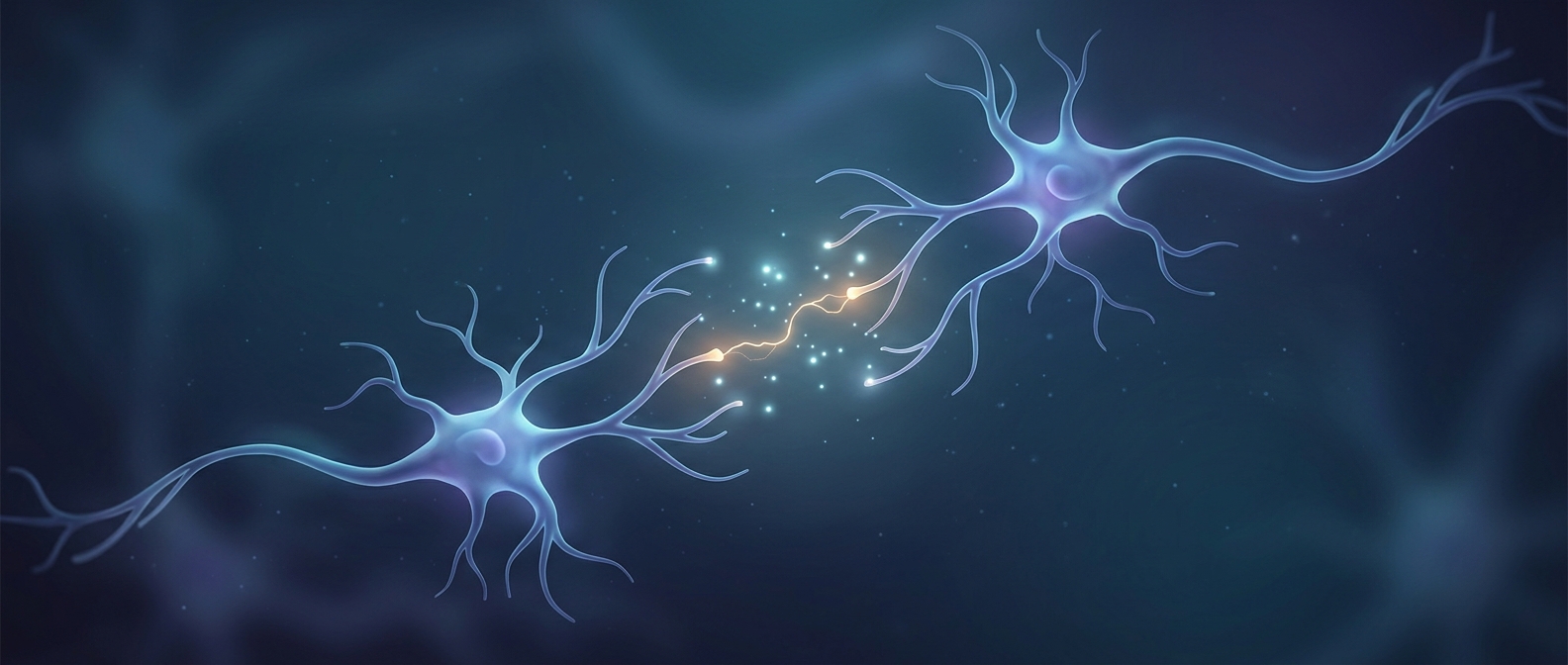
The worm is not known to cause nodding by simply entering the brain. One explanation researchers have investigated is that the immune system’s response to the parasite may mistakenly react with proteins in the nervous system. This kind of mistaken targeting is called cross-reaction: immune defenses trained on one target also recognize something similar elsewhere in the body. The proposed mechanism remains an explanation under investigation, not a fully settled account of why the syndrome develops.
That uncertainty matters because an association does not, by itself, explain every case. Researchers have also considered other factors, including infections and conditions that may make a child more vulnerable. The syndrome’s concentration in some communities, rather than among everyone exposed to the parasite, suggests that exposure alone may not tell the whole story.
Why ordinary moments can set off an episode
In some children, an episode is more likely when food is offered or when they feel cold. These triggers do not mean that eating or cold causes the underlying illness; they can provoke a seizure in a brain already made vulnerable by the disorder. A meal can therefore become a frightening interruption rather than a routine part of the day.
The parasite link is important because it points toward prevention and possible biological pathways. But for families, the immediate reality is neurological: a child’s head-nodding is a visible sign of seizures, not a voluntary movement or a habit.