Why the Body’s Heat Defenses Can Reverse
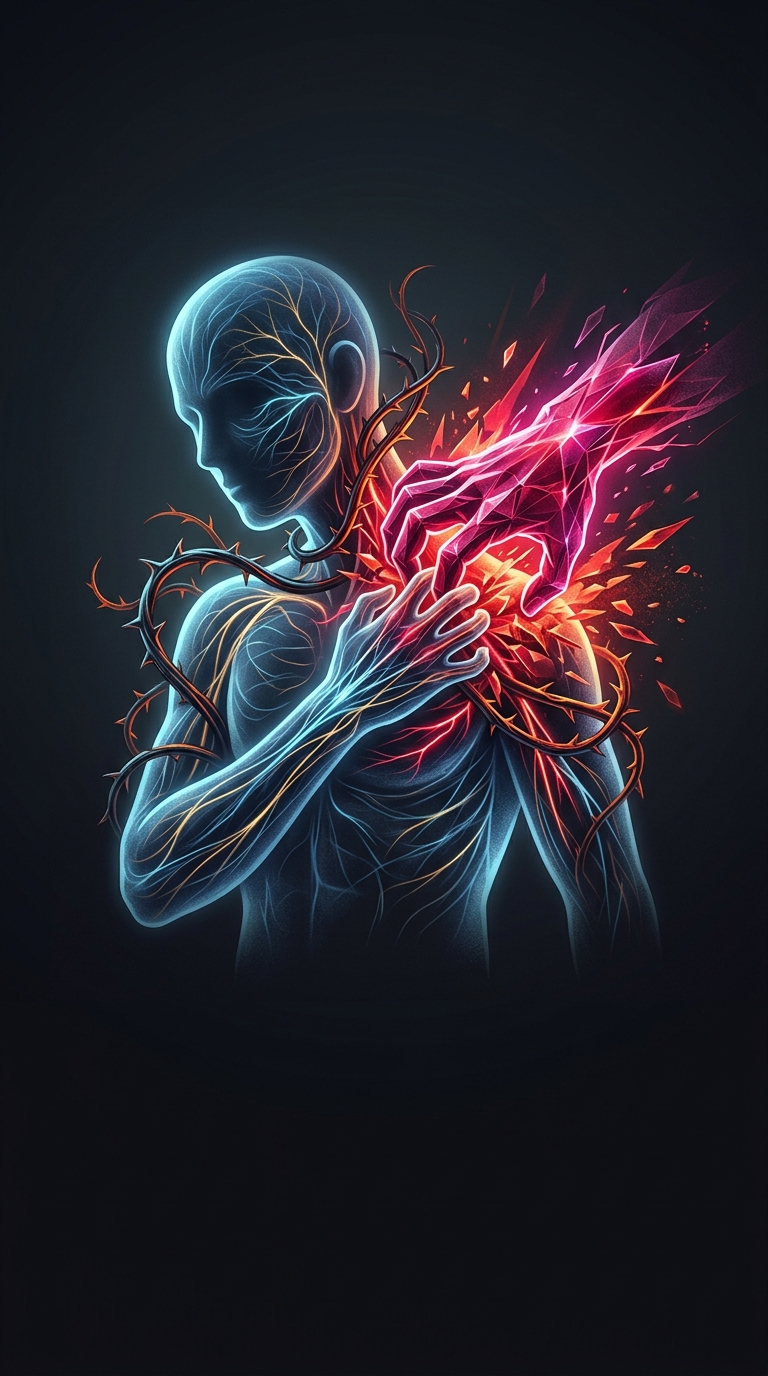
In the cold, small blood vessels in the skin normally narrow. That reduces the flow of warm blood to the body’s surface, slowing heat loss and protecting the brain and other vital organs. In severe hypothermia, those defenses can become unreliable. Blood flow near the skin may increase, creating a sensation of warmth even while the body’s deeper tissues remain dangerously cold.
This apparent reversal is called paradoxical undressing. The precise bodily mechanism is not fully settled, and the warm feeling is not a dependable sign of recovery. It reflects a failing system, not a body that has safely warmed up.
Cold Also Disrupts Judgment
The misleading sensation becomes especially dangerous because hypothermia affects the brain. As the body cools, thinking can grow confused and coordination can deteriorate. A person may misread what is happening, make an unsafe decision, or be unable to recognize the danger of exposure. Removing clothing then speeds heat loss from the skin, worsening the underlying emergency.
The sequence is a cruel mismatch: the body’s internal temperature continues to fall while the person’s perception and judgment become less reliable. What looks like a deliberate choice may instead be part of the illness itself.
Why the Detail Matters
In a cold-weather emergency, someone found with clothing removed should not be assumed to have been comfortable or simply behaving irrationally. Severe hypothermia can alter both sensation and decision-making. The visible behavior may be one more sign that the body’s defenses—and the person’s ability to protect themselves—are failing.