Why Teething Invited Unusual Remedies
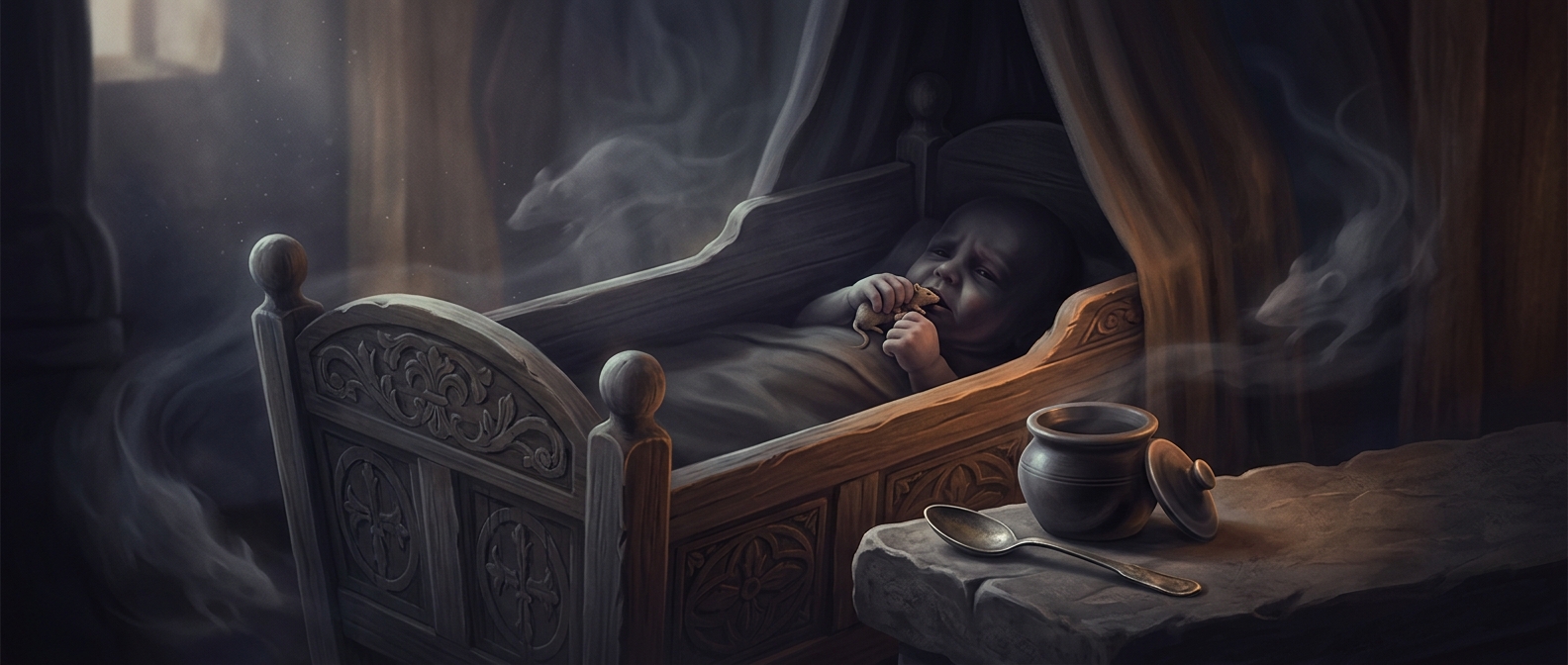
A child cutting teeth may be fretful, drool more, and seek pressure on sore gums. Those signs are real, but they do not point to one obvious cause or offer a caregiver a reliable way to stop the discomfort. Before modern pain relief and clearer medical explanations, families often relied on remedies passed along through household and community practice—including remedies involving animals.
The mention of dead mice is striking, but it does not establish a single standard recipe. Folk treatments could differ from place to place, and a remedy’s ingredients alone do not tell us exactly how it was used or why people trusted it. It is safer to see it as part of a broader pattern: familiar materials were turned into treatments when a child’s distress demanded a response.
The Need to Do Something
That response had an emotional purpose as well as a hoped-for physical one. A crying infant leaves caregivers with an immediate problem and limited ways to judge what will help. Trying a remedy offered an action to take—and a possibility of relief—even when its effectiveness was uncertain. The remedy tells us as much about the pressure to comfort a child as it does about medical knowledge.
Today, the dead-mouse cure is remembered for its shock value. Its deeper significance is that ordinary caregiving and medicine were once far less separate: when a child hurt, household belief could become treatment.