A mirror became a tool for seeking visions
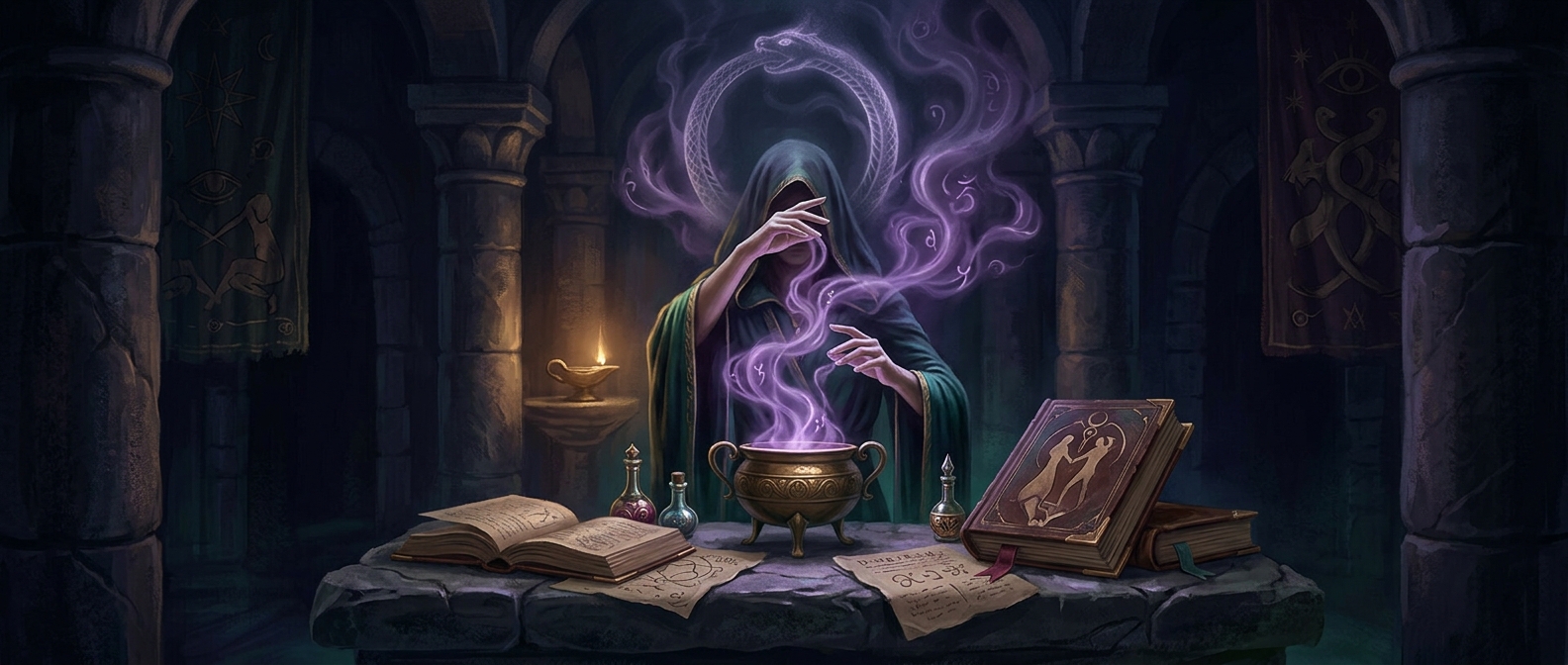
Paschal Beverly Randolph’s method joined two older ways of looking for hidden knowledge: staring into a reflective surface and using an intoxicating plant. A “magical mirror” was not simply a mirror meant to show a face. In occult practice, a dark or reflective surface could serve as a fixed point for attention, a setting in which a practitioner hoped images or messages would appear.
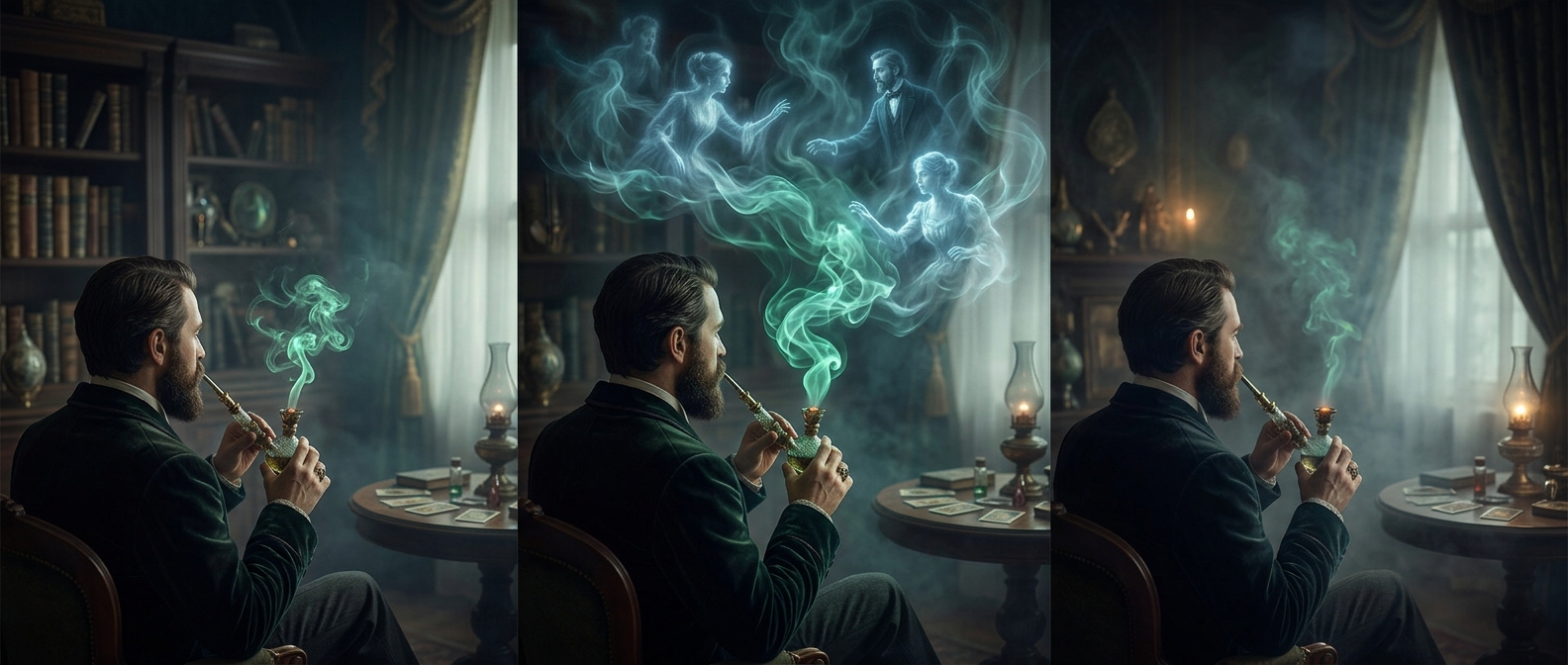
Hashish, made from cannabis, can alter perception and the sense of time. Randolph claimed that taking large doses while using these mirrors helped him see the dead. The important distinction is that the visions were his claimed spiritual experiences—not evidence that the dead had appeared to him.
From séance spectacle to private experiment
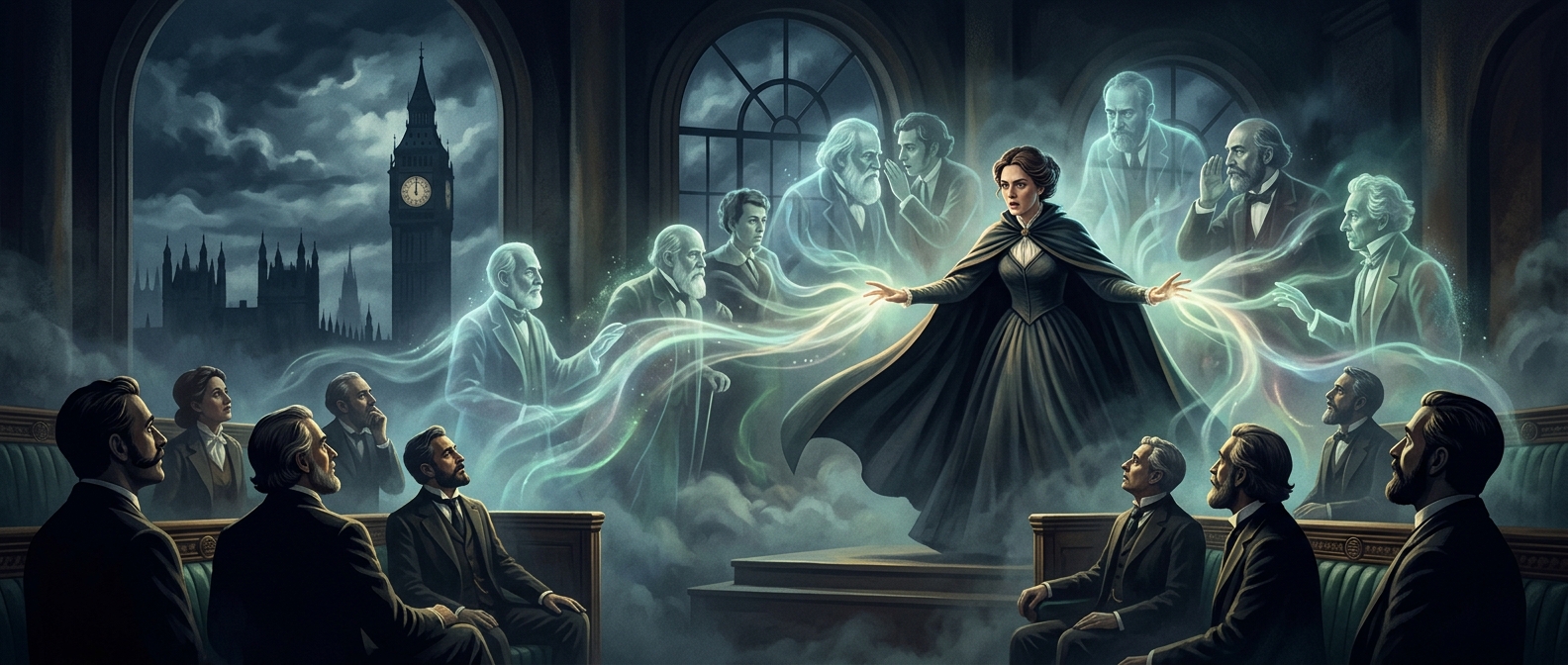
In the 1850s, Spiritualism drew attention through séances and other demonstrations in which mediums claimed to communicate with spirits. Randolph became disillusioned with what he regarded as fraudulent theatrics. His turn to hashish and mirrors offered a different route: rather than relying on a staged public performance, he sought an encounter through his own altered perception and concentrated gaze.
That change did not remove interpretation from the process. A flicker, shape, or impression seen while staring into a mirror could feel meaningful, especially under the influence of a drug; deciding that it was a dead spirit required a further belief about what the experience meant. Randolph’s approach fused an inward, private vision with a spiritual claim, turning the mirror from a prop in a séance into the focal point of a personal search for the unseen.