How Disney’s “B-Team” Project Became the Main Event
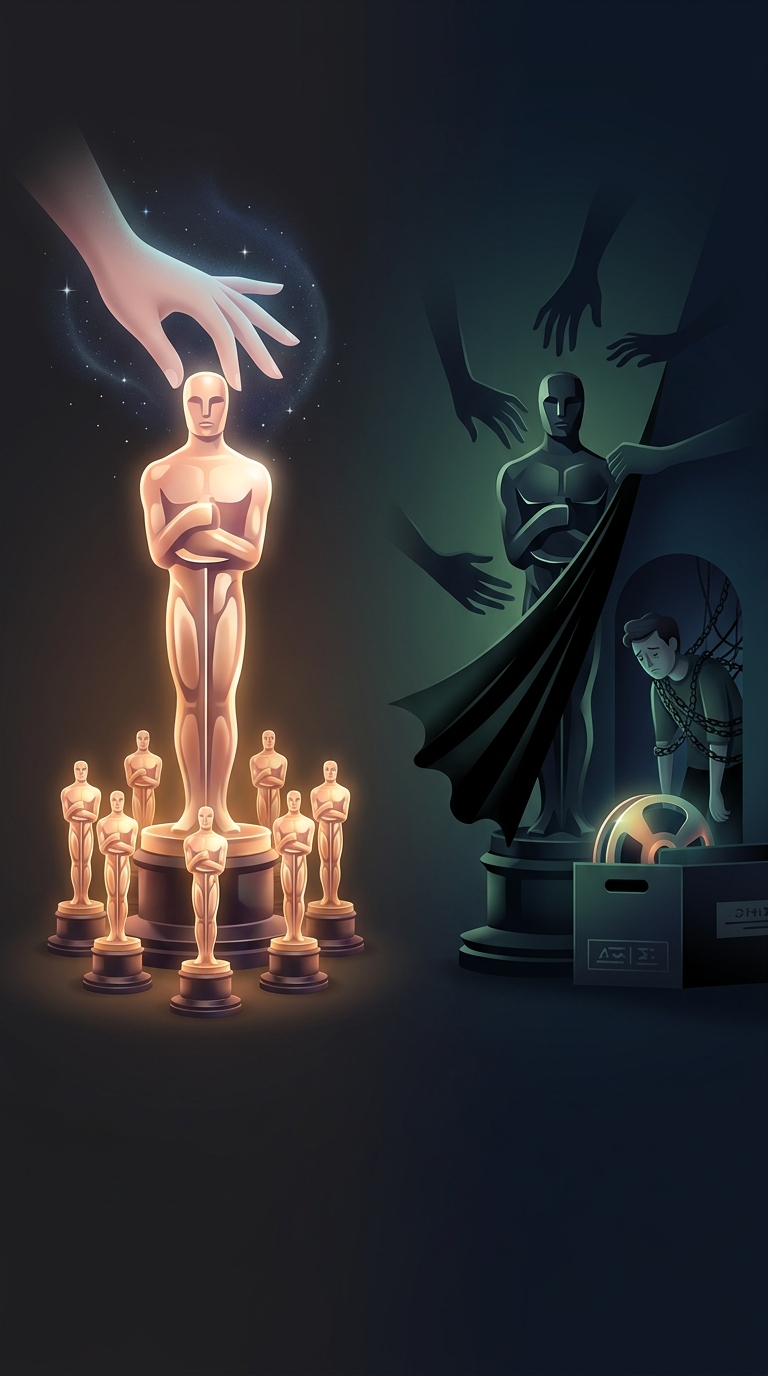
At Disney Animation, staffing could signal which film the studio believed mattered most. Assigning its most experienced animators to Pocahontas marked that production as the prestige bet; The Lion King was treated as a safer, less important assignment for junior staff. That judgment shaped more than status: the projects competed for attention, talent, and confidence inside the same studio.
The contrast also reflected two different kinds of ambition. Pocahontas was conceived as a grand historical romance, a kind of subject executives could imagine earning serious awards recognition. The Lion King, by comparison, was an original story built around animal characters. It looked less like an obvious prestige picture—and therefore, in the studio’s view, less likely to become a costly disappointment.
The Unexpected Advantage of Lower Expectations
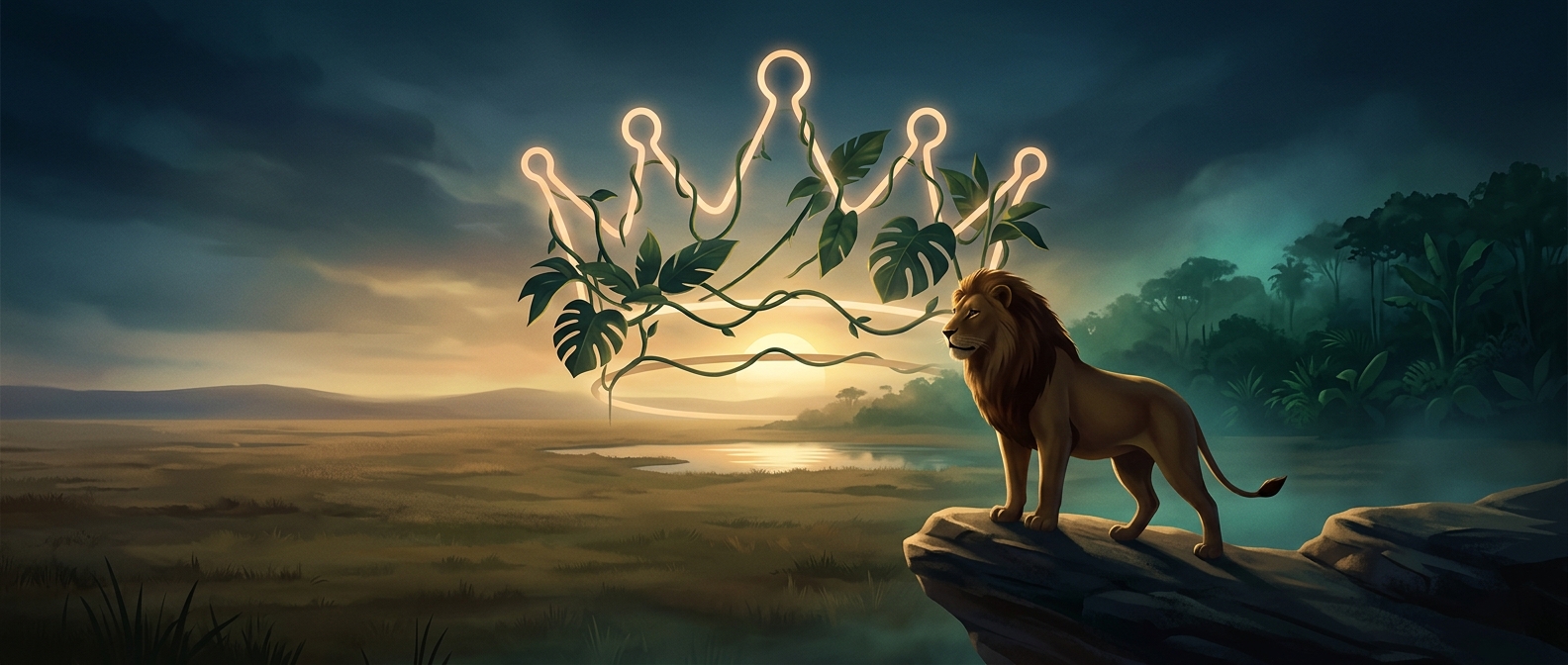
Being the less-favored production did not mean The Lion King had no creative strengths. Its team had room to develop a story that did not have to follow the prestige project’s model. The film’s family conflict, succession struggle, and coming-of-age arc gave the animators a clear dramatic spine, while its animal setting let them build a visually distinctive world.
The studio’s hierarchy also created a revealing test of its own assumptions. The Lion King became a major hit, while Pocahontas did not become the awards-dominating Best Picture contender executives had anticipated. The reversal is a reminder that a project’s internal rank is not a reliable measure of how audiences will respond: sometimes the film treated as a safer side bet is the one that changes the studio’s expectations.