How an AI tutor reads a learning pattern
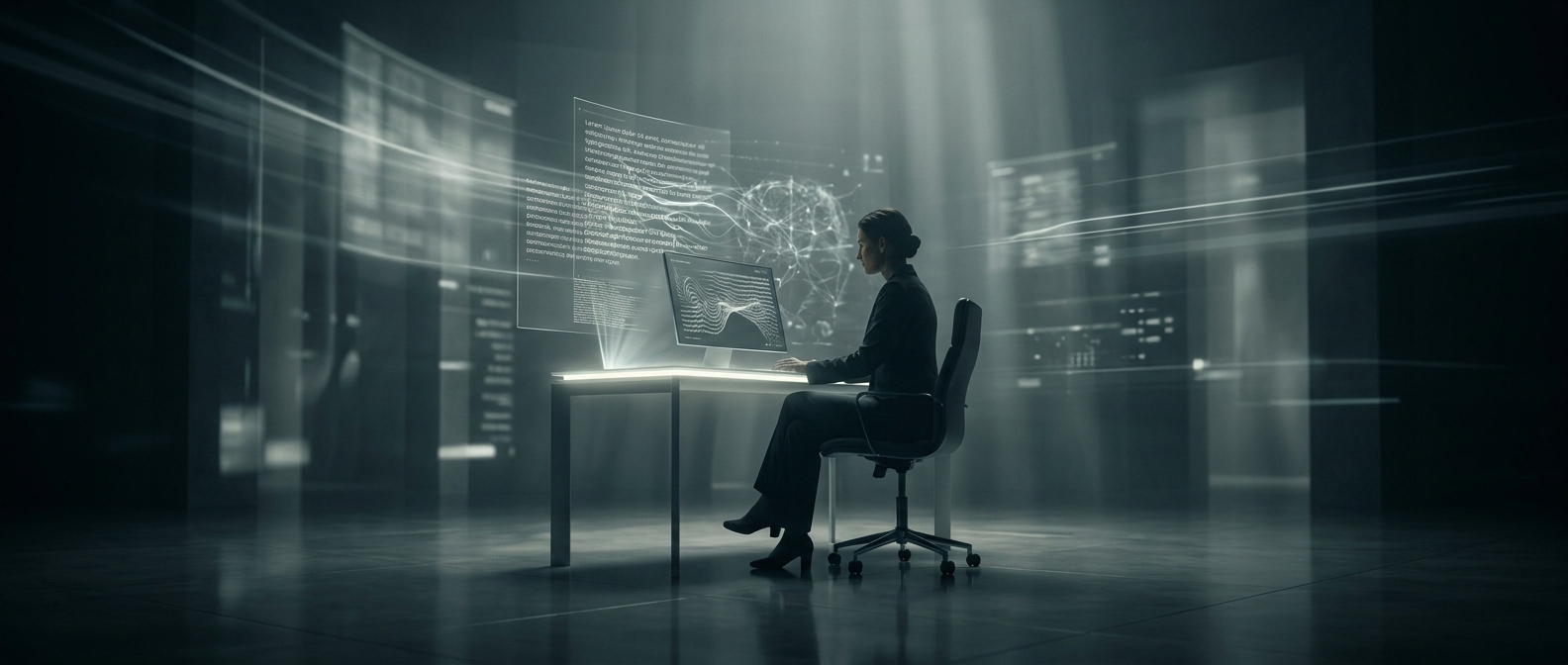
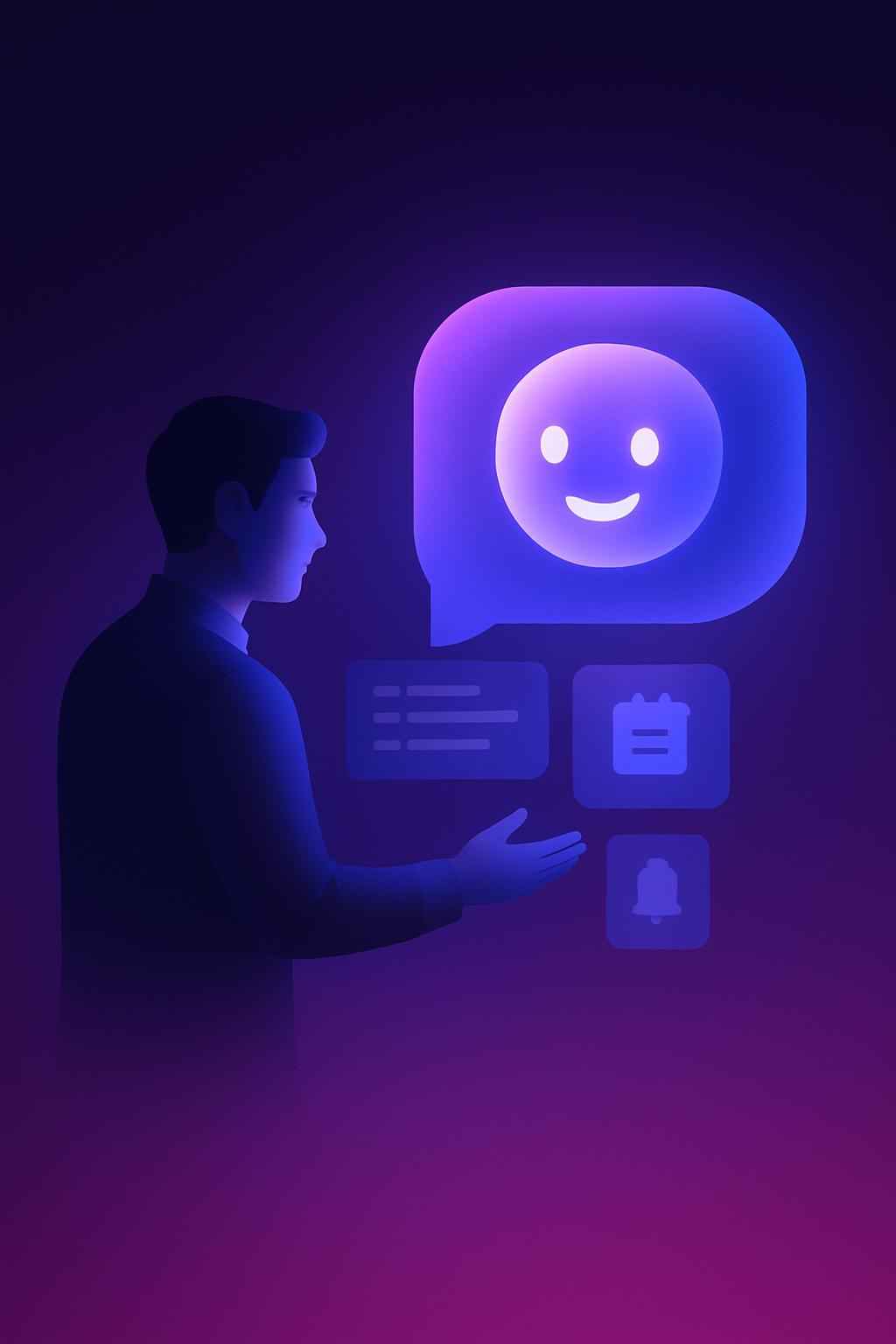
A wrong answer tells a tutor what a student missed; the steps around it can offer clues about why. A student who answers quickly but incorrectly may need a different prompt from one who pauses, retries, and then succeeds. An AI tutor can use these signals to estimate which skills feel secure and which need more practice, then adjust the next question, hint, or pace.
That estimate is a working guess, not a direct view into a student’s understanding. A pause might mean confusion—or a distraction. A click can reflect a guess, a habit, or an accidental tap. The system’s usefulness depends on how well its signals match what the student actually knows.
Personalization leaves a data trail
To adapt over time, a tutor may retain records of answers and interactions, rather than treating each question as an isolated exchange. That history can help it spot recurring errors and avoid repeating material a student has mastered. It can also reveal patterns about a learner’s progress and difficulties.
Those records create practical questions for schools and families: what information is collected, who can see it, how long it is kept, and whether it is used only to support instruction. The same detail that lets a tutor respond to a student’s habits can expose those habits beyond the lesson if access and retention are not carefully controlled. Personalization is therefore not just a teaching feature; it depends on decisions about the student data that makes it possible.