Why a Crokinole shot can feel different from one turn to the next
A Crokinole disc does not travel across a perfectly frictionless surface. The player’s push gives it forward speed and, often, a little spin; the board slows it, while pegs and other discs redirect it. A small change in speed or angle can decide whether a disc reaches the central 20-point hole, stops in a scoring ring, or caroms away.
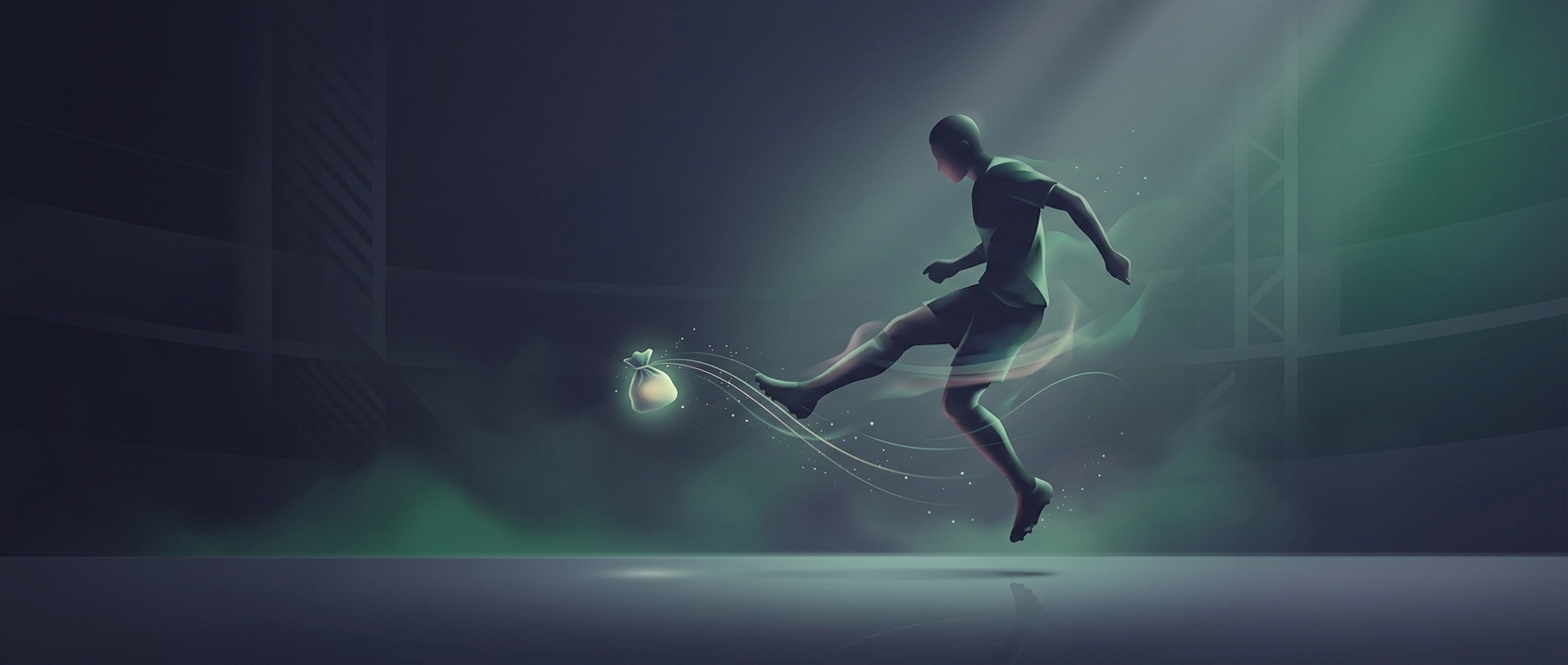
That is why skilled play looks less like a simple flick and more like controlled energy transfer. Players learn how hard to launch for a given distance and how a collision is likely to change the disc’s path. The useful calculation is mostly learned by feel, not worked out as numbers during a game.
Where humidity enters—and where it doesn’t
Humidity can affect wood as it absorbs or releases moisture, and a wooden board may respond with subtle changes in its dimensions or surface. Room conditions can also influence how a board feels from session to session. But that does not mean a humid day predictably ruins ricochets, or that every tournament sets a precise humidity target. The board’s finish, wear, cleanliness, and the consistency of its playing surface are also relevant to how a disc moves.
In practice, players adjust to what the board is doing. A familiar shot that comes up short may call for a slightly firmer push; an unexpected deflection may prompt a different line. Those adjustments are part of the game’s skill, not proof that a single atmospheric variable controls the result.
The board turns tiny errors into visible ones
Crokinole makes small differences matter because discs repeatedly meet obstacles at short distances. A slight launch error can become a much larger change after a peg or an opponent’s disc sends the shot off course. The satisfying—and nerve-racking—part is that players can feel the consequence immediately: the same practiced flick may land cleanly in the center one turn and glance away the next.