Why a Footbag Is Easier to Control Than a Ball
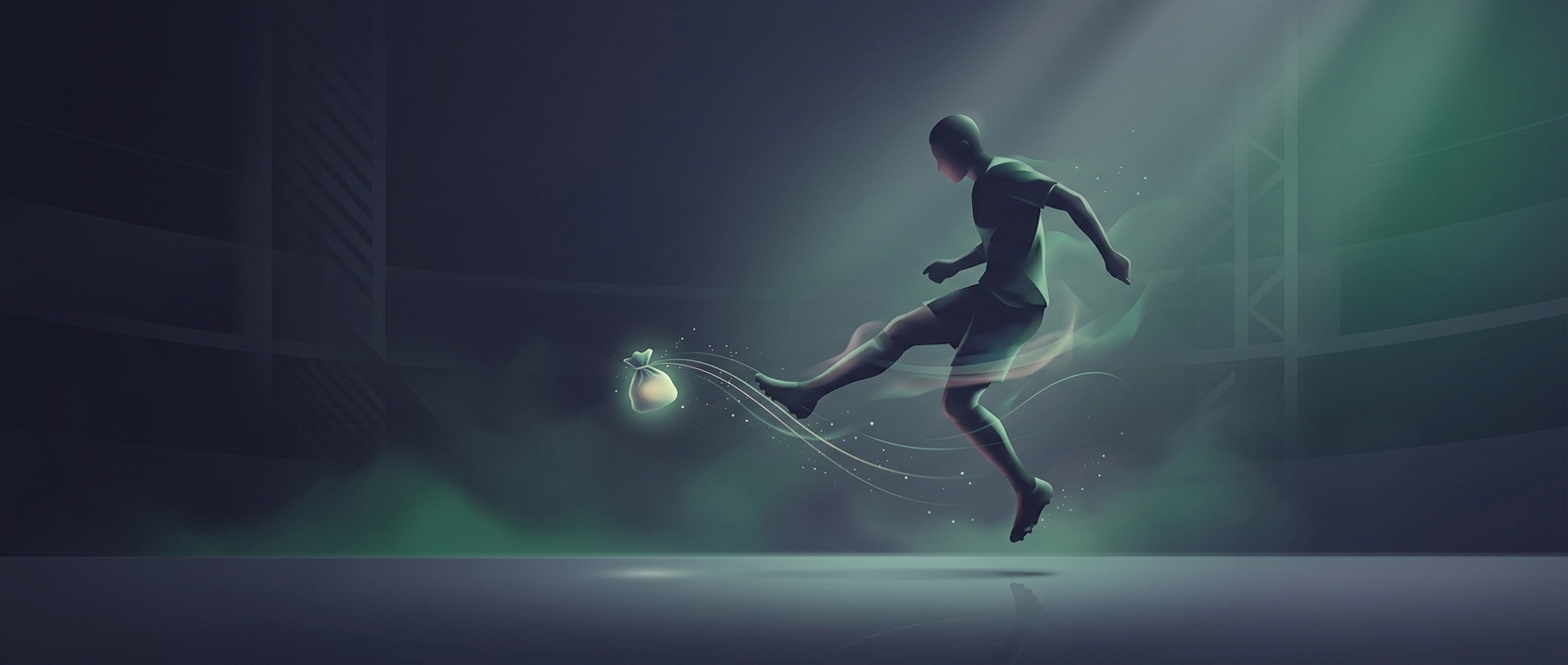
A footbag is small and soft, often made from stitched panels and filled with pellets. That construction matters: it falls more slowly and bounces less predictably than a rubber ball, so a player can cushion it with a foot instead of having to strike it hard. The goal in a casual circle is to send it gently toward someone else, giving that person time to set up a return.
Players usually use the insides of their feet, their toes, or their knees. The challenge is not just keeping the pouch airborne; it is controlling its direction and height. A kick that sends it too far or too high can make the next touch difficult, while a soft, centered tap helps the group continue.
The Circle Is Part of the Game
Passing in a circle turns individual control into a shared task. Players have to watch both the footbag and one another, moving to make room and choosing a touch that a neighbor can reach. If someone misses, the run ends—but the group can simply pick up the pouch and begin again.
That low-pressure format makes the game easy to join without a court, teams, or specialized equipment. More formal footbag disciplines add rules and demanding tricks, but the circle game’s basic test is social as much as physical: keep the pouch moving, and make the next touch possible for someone else.