How buried chemicals reached homes at Love Canal
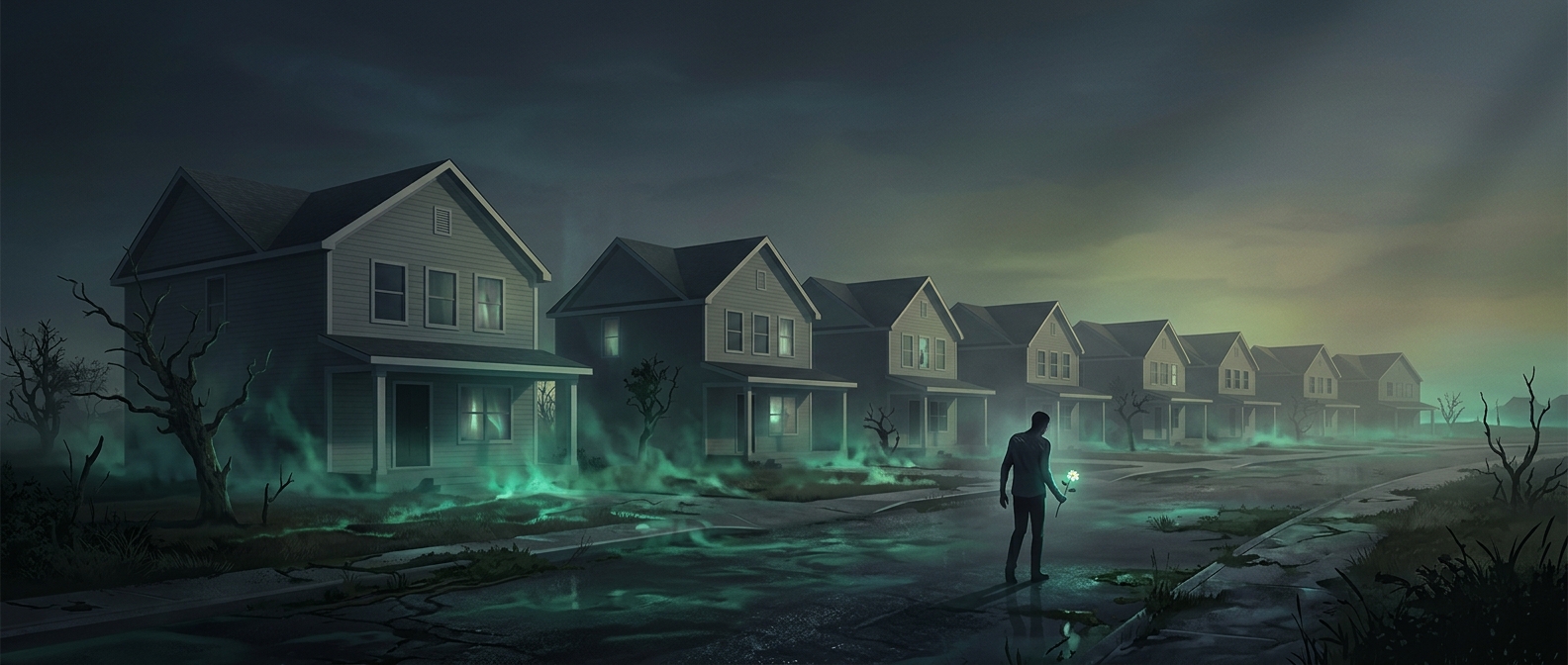
The waste at Love Canal was not sealed in a modern, leakproof vault. It had been placed in an unfinished canal trench, then covered. As water moved through the ground, it could carry dissolved chemicals out of the buried waste. That contaminated water—called leachate—could travel through soil and enter basements through cracks or other openings. Gases from the waste could also move through the ground and into buildings.
That helps explain why residents described black, foul-smelling material appearing indoors. A basement is below ground, where seepage can collect, turning buried contamination into something families could see and encounter rather than a distant industrial problem.
Exposure is not the same as proving a cause
People living near the site reported health problems, including birth defects and high rates of asthma. Contact with contaminated soil or water, or breathing gases, can create routes for chemicals to enter the body. But a reported cluster of illnesses does not by itself establish that the waste caused each person’s condition; that requires evidence about exposures and health outcomes. The reports nevertheless made the danger urgent: residents were living and raising children above a large, poorly contained waste deposit.
A neighborhood built over an industrial legacy
The central hazard was not simply that waste had once been dumped there. Homes and a school were later placed above it, putting ordinary daily life in direct proximity to the buried material. Once contamination began showing up in yards and basements, the boundary between an old disposal site and a residential neighborhood had effectively disappeared. Love Canal became a lasting warning that covering hazardous waste does not end its risks if water, soil, and buildings remain connected to it.