The demo that became “My Heart Will Go On”
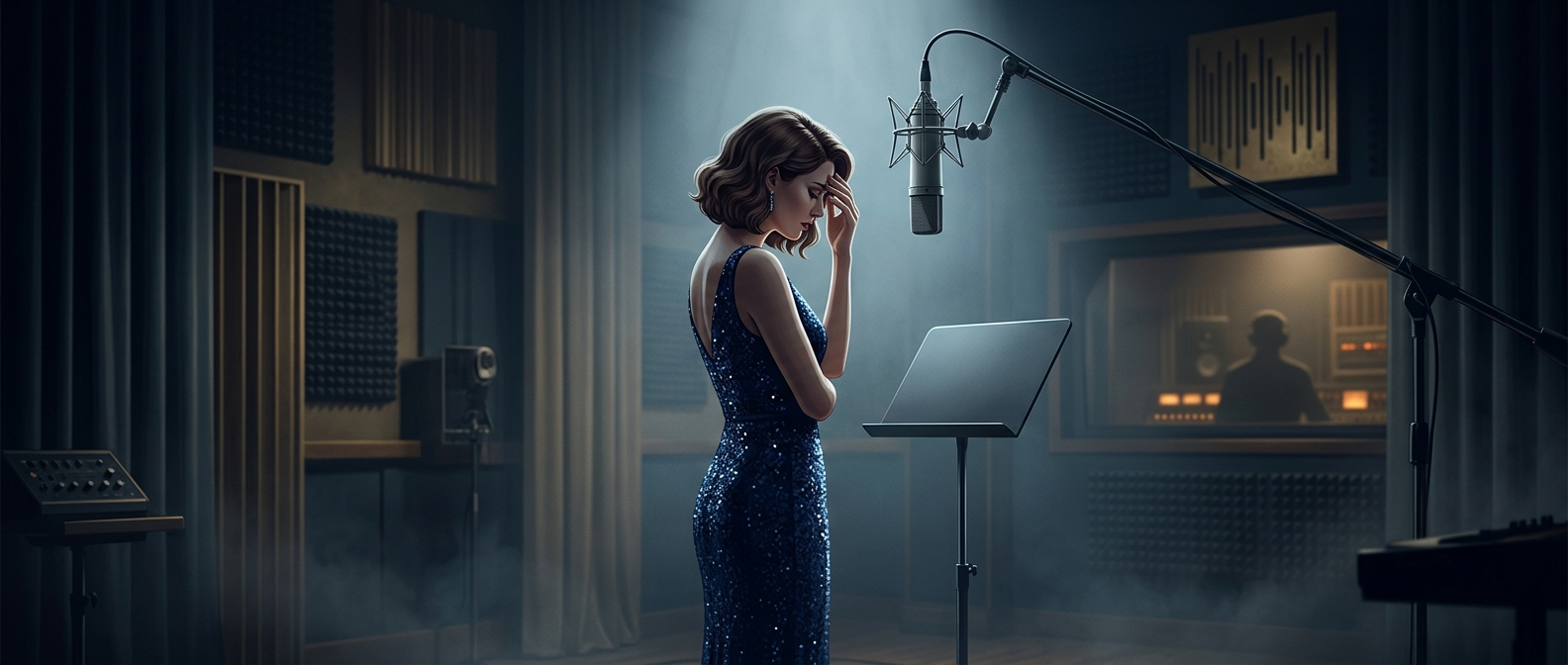
Celine Dion’s reluctance began with the song itself. When her manager, René Angélil, urged her to record “My Heart Will Go On,” she thought it sounded awful and did not want to make it. He persuaded her to try just one demo—a preliminary recording meant to show what a song might sound like.
That distinction matters: the demo was not simply a rehearsal before the “real” performance. Dion’s one-take vocal was kept for the released recording, so the performance audiences heard grew out of the session she had agreed to do reluctantly.
Why the song fit Titanic
Written for the film Titanic, the ballad gives the movie’s love story a musical thread that continues beyond the characters’ time together. Its gradually swelling arrangement lets Dion’s voice move from a restrained opening to a powerful climax, echoing the film’s shift from private romance to epic tragedy.
The song’s connection to the film helped carry it far beyond the soundtrack: its sweeping chorus could evoke the movie even when heard on its own. What began as a recording made to test a song became one of Dion’s defining hits—and a reminder that a demo can capture a performance so completely that there is no reason to replace it.