Why a Small Touch Can Carry So Much Story
In a slow-building romance, a hand-hold is not just a sign that two characters like each other. It is a change in what they are willing to show. If a story has spent episodes keeping them at a distance—through formal manners, hesitation, misunderstandings, or fear of rejection—one brief touch can resolve a question that dialogue has kept open: are they ready to cross that line?
That is why a brush of fingertips can feel larger than the gesture itself. The audience has watched the distance between the characters become part of the story. When it finally narrows, the contact serves as a visible turning point.
The Wait Is Part of the Payoff
Many Korean dramas tell romances over a run of episodes, giving writers room to make a relationship develop in stages. Rather than moving quickly from attraction to physical intimacy, a story may build through glances, awkward pauses, near-confessions, and small acts of care. Each moment changes how the next one reads.
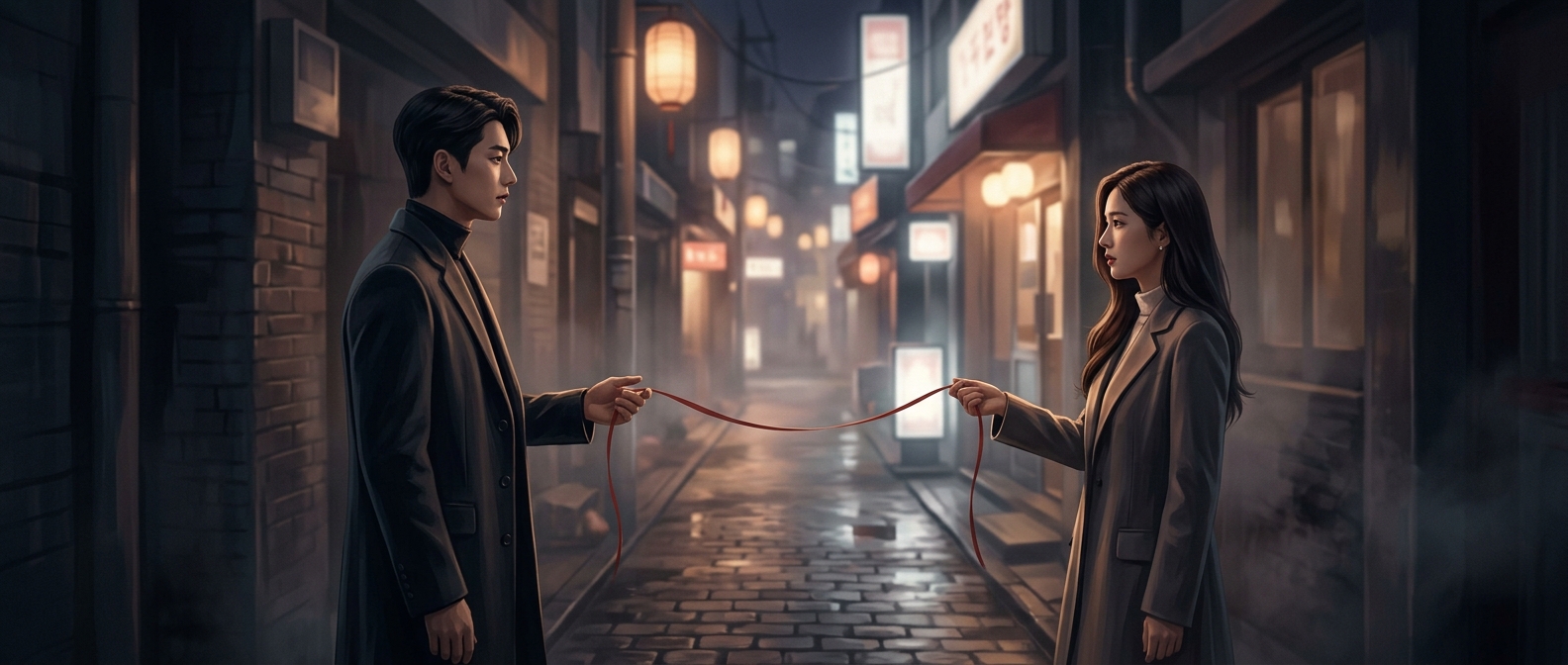
This pacing also makes restraint useful. A scene can communicate desire without a kiss or an explicit declaration: a character reaches out, stops, then tries again. The uncertainty keeps attention on what the characters might do, while the delayed payoff makes a later gesture feel earned rather than routine.
A Gesture Becomes a Milestone
The effect depends on what came before, not on a special meaning inherent in hand-holding. In one drama, it may mark a first admission of trust; in another, it may be a quiet confirmation after a long stretch of uncertainty. The same action can feel casual in a fast-moving story and momentous in one that has made every step toward closeness count.
So the extended pause before two hands meet is doing narrative work: it lets the audience feel the distance being crossed. By the time contact lasts even a second, the relationship has already changed.