The reveal is part of the reward
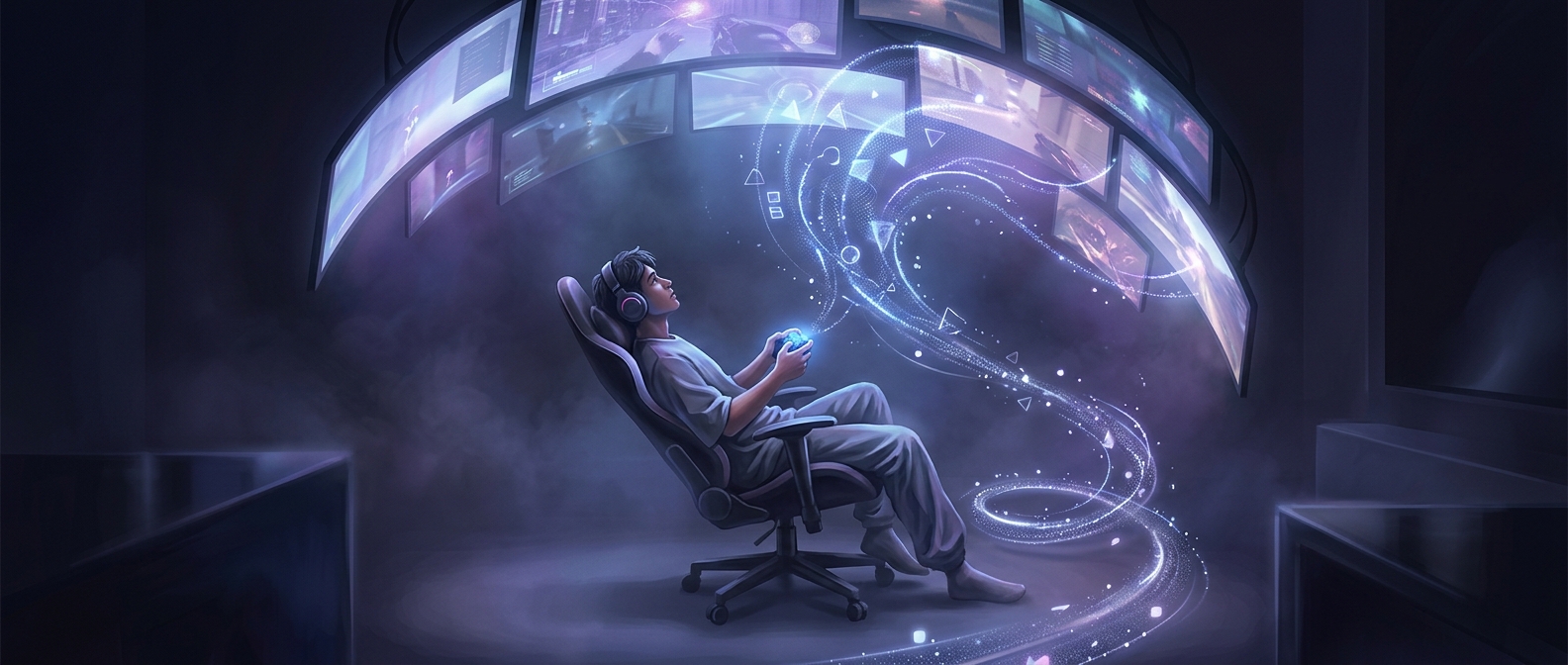
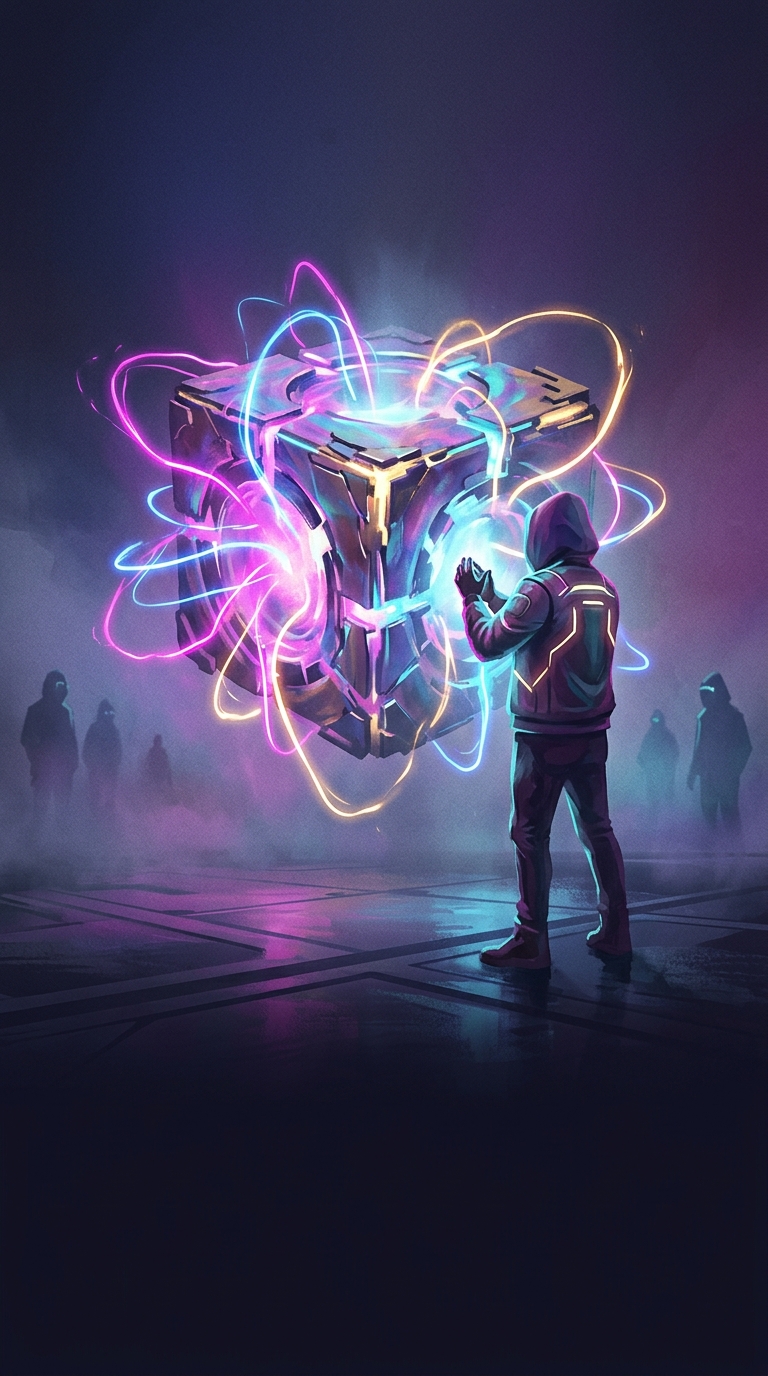
A loot box often contains an uncertain prize, but the moment before it opens is designed as an event of its own. A pause, flash, rising sound, or burst of color stretches the reveal and directs attention toward the outcome. Instead of seeing an item appear in a quiet inventory screen, the player gets a brief piece of theater.
That staging builds anticipation. The brain responds not only to a reward, but also to cues that suggest a reward may be coming. A rising tone or bright animation can make the uncertain outcome feel imminent, encouraging the player to watch closely and experience the reveal as a small climax.
Why uncertainty makes the animation matter
Because the contents are unknown, each opening has a different possible outcome. The effects provide a consistent ritual around that uncertainty: the same dramatic pause may precede a common item or a rare one. When a particularly desirable prize appears, the contrast between suspense and surprise can make the result feel especially vivid.
The animation also helps communicate the game’s judgment of the prize. A longer sequence, unusual color, or distinctive sound can signal that an item is rare or noteworthy before the player has even read its name. Those cues turn a random result into a legible, shareable moment.
The cost of making a moment feel big
These effects do not change what is inside the box, but they can change how opening it feels. A polished reveal can make a routine result seem momentous, and repeated openings can turn the animation itself into part of the loop. The spectacle is not just decoration: it makes waiting, uncertainty, and the final reveal feel like one packaged experience.