The view changes the frame
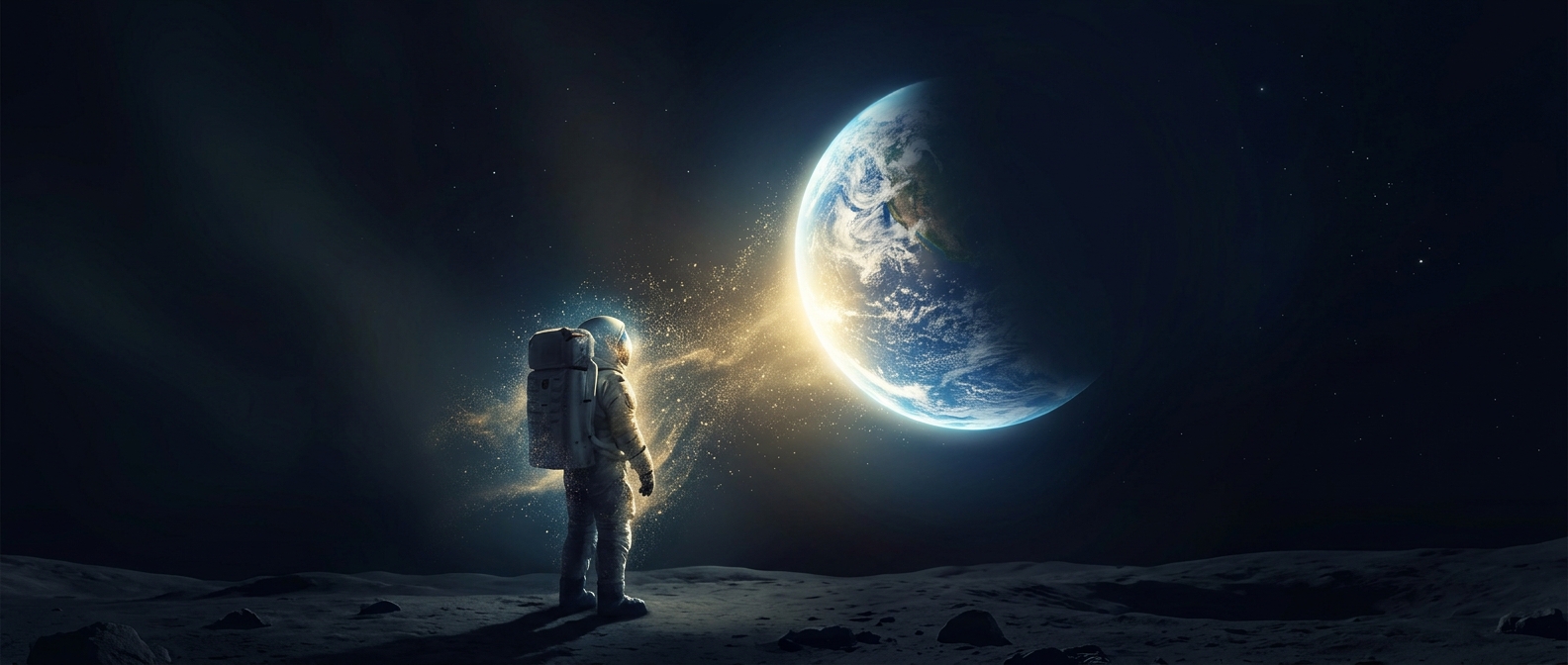
On Earth, people encounter the world in pieces: a neighborhood, a country, a border on a map. From orbit, those familiar divisions largely disappear. The planet is seen as one curved, bounded object, while the thin layer of air that supports life appears visually small beside the darkness around it.
That change in scale can reorganize attention. Political boundaries are powerful because people learn them, see them on maps, and live under the institutions they define. But they are not visible features of the planet from space. The atmosphere and the connected surface are. A spacecraft window can therefore make human-made divisions feel less fundamental than the physical conditions everyone shares.
Why the impression can linger
The experience is more than a new fact about geography. Astronauts are physically removed from ordinary surroundings and see their home from an unusual vantage point. That combination can prompt reflection on identity and belonging: instead of feeling primarily tied to one place, a person may feel connected to Earth as a whole. Psychologists often describe this kind of response as a shift in perspective, in which the familiar self and its concerns are briefly viewed against a much larger setting.
The view does not erase national loyalties or make practical conflicts disappear. Its force is subtler: it offers a vivid image that can compete with the usual mental map. When the planet is experienced as a single home rather than an arrangement of separate territories, cooperation on shared problems can feel more immediate—and the thin, life-supporting atmosphere becomes hard to take for granted.