How a Daoist talisman became medicine to drink
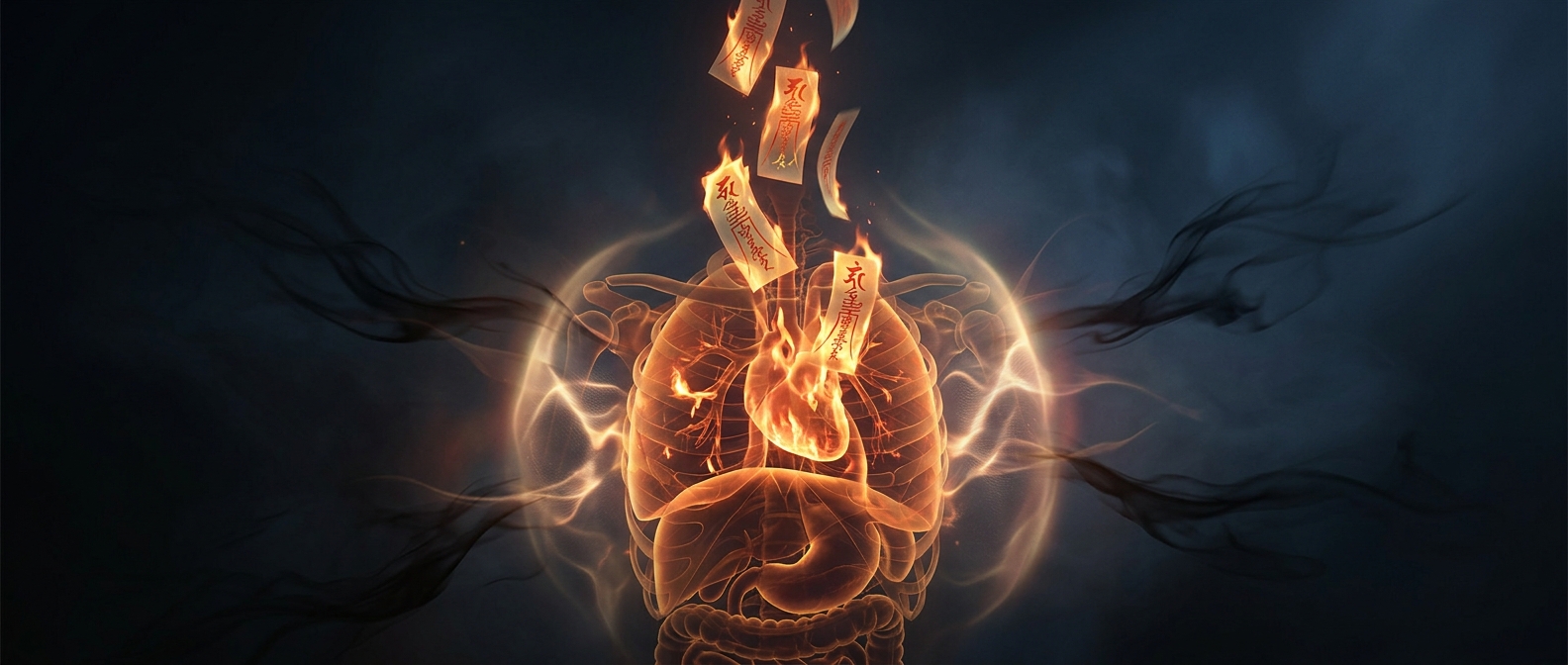
In practices associated with the early Daoist writer Ge Hong, a fu—a talisman bearing specialized signs—could be burned, its ashes mixed with water, and the mixture swallowed. The ritual made the writing something more than a message to look at: it carried the talisman’s force into the body.
Turning celestial authority inward
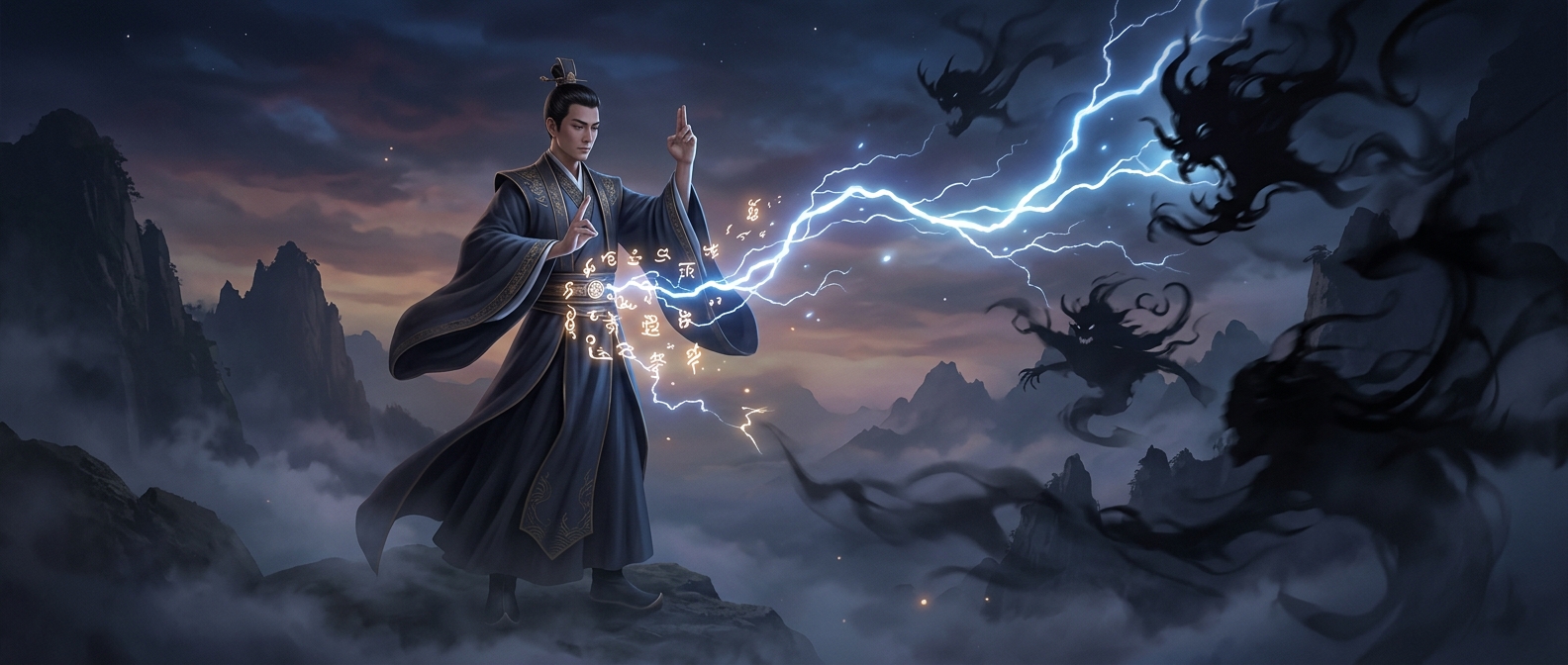
A fu was understood as a written instrument of authority, not merely a charm with decorative symbols. In a world where illness could be attributed to harmful spirits, drinking its ashes was a way to bring that authority inside the sick person, where it could act against the cause of the affliction. The body became the site of the ritual’s contest with demonic forces.
This was not a matter of swallowing a burning sheet of paper. Burning transformed the talisman; the ashes, rather than the flames or intact paper, were taken with water. The sequence linked an external sign to an internal remedy: write, burn, dissolve, drink.
A remedy that joined body and belief
The practice shows how healing could combine physical action with a religious account of illness. The drink was meant to do more than soothe symptoms: it enacted the removal of an unseen threat. Its striking detail is also its logic—if a demon had entered the body, the talisman’s power had to enter there too.