Why the First Balloon Carried Animals
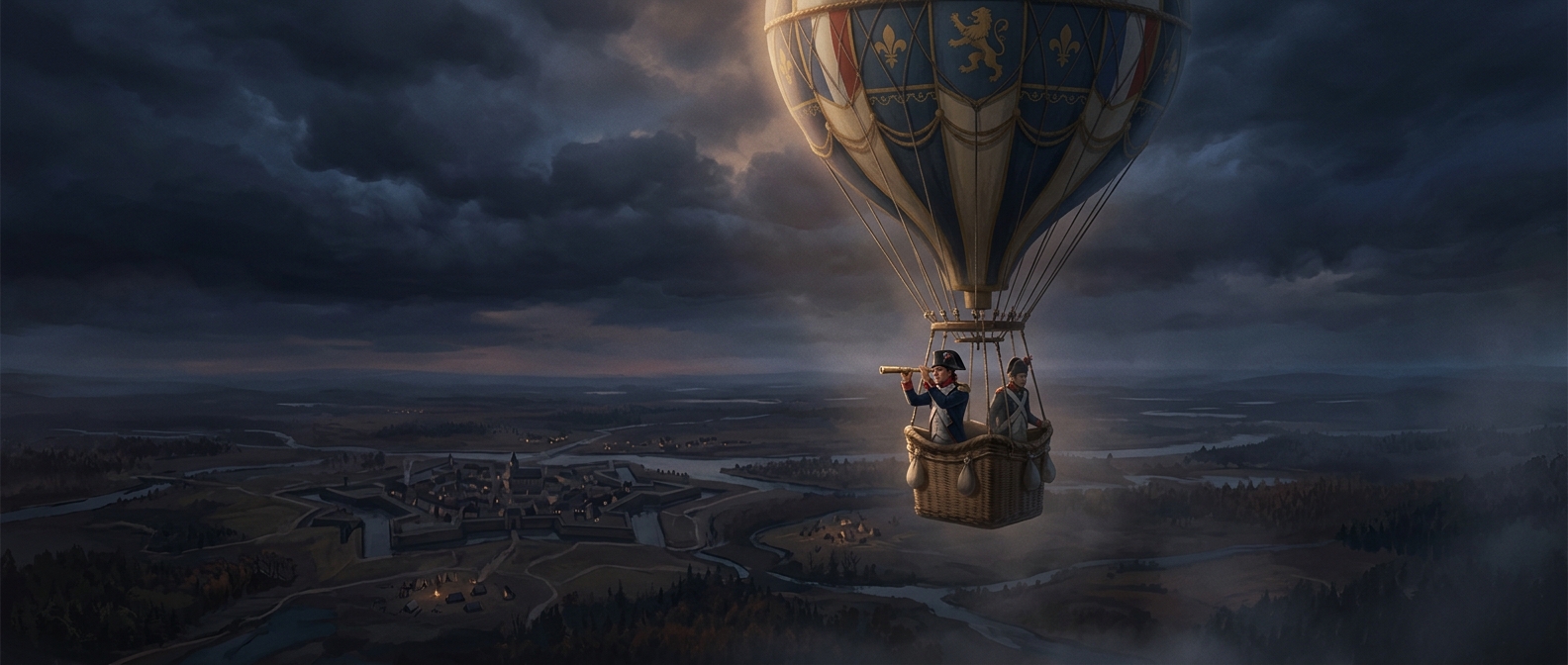
In 1783, a balloon flight was not just a new way to travel; it was an unfamiliar hazard. The Montgolfier brothers’ hot-air balloon lifted because heated air inside its fabric envelope was lighter than the cooler air outside. But no one yet knew how a living passenger would fare in the basket—or how the craft would behave once it left the ground.
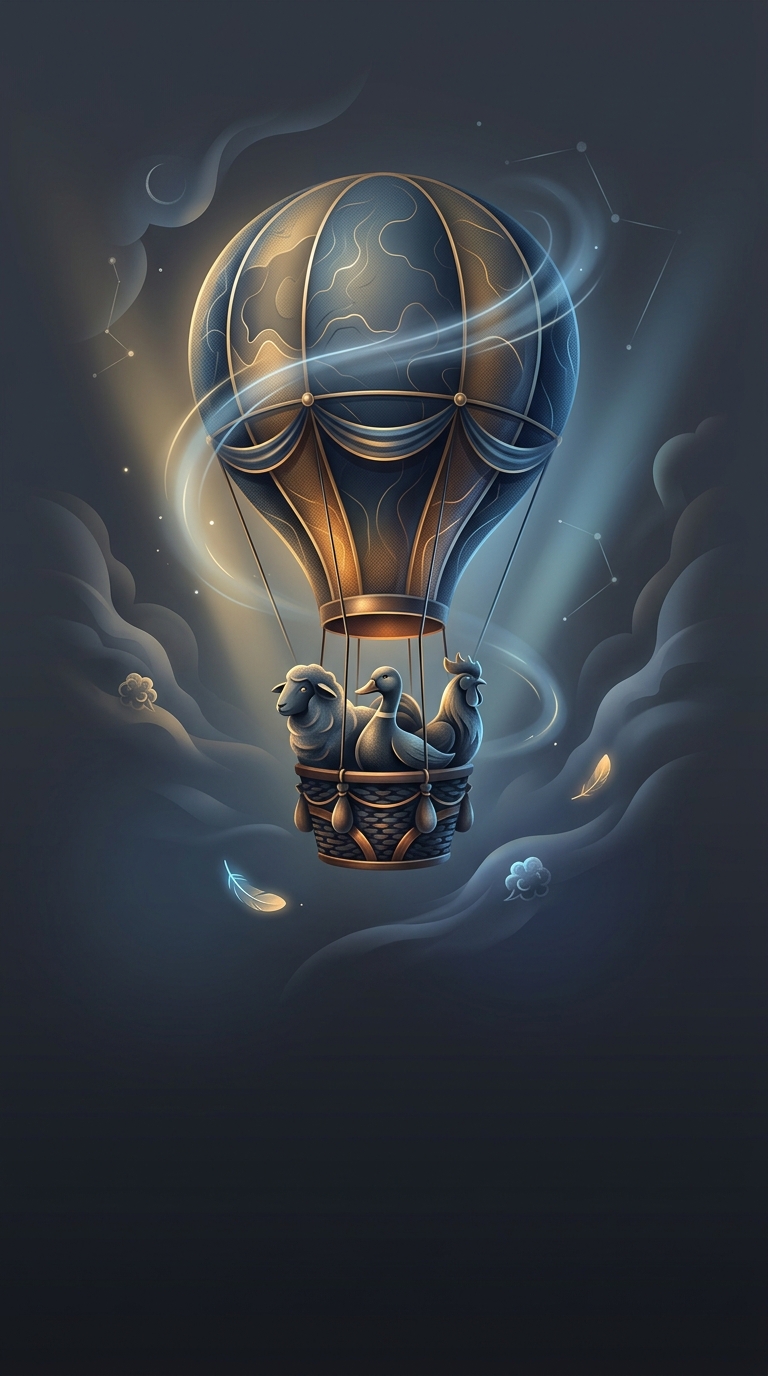
A familiar account says Louis XVI proposed sending condemned prisoners on the first test flight. The Montgolfiers instead launched a sheep, a duck, and a rooster at Versailles. The mix offered a rough, practical comparison: a sheep was closer to a person in size, while birds could reveal how flight affected animals accustomed to the air.
A Test Before a Human Flight
The animals’ trip was a trial of both the balloon and its passengers. Observers could see whether the craft rose and traveled as intended, then check the animals after landing. The test could not answer every question about a human journey, but it offered a safer first look than putting a person aloft without any evidence about the effects.
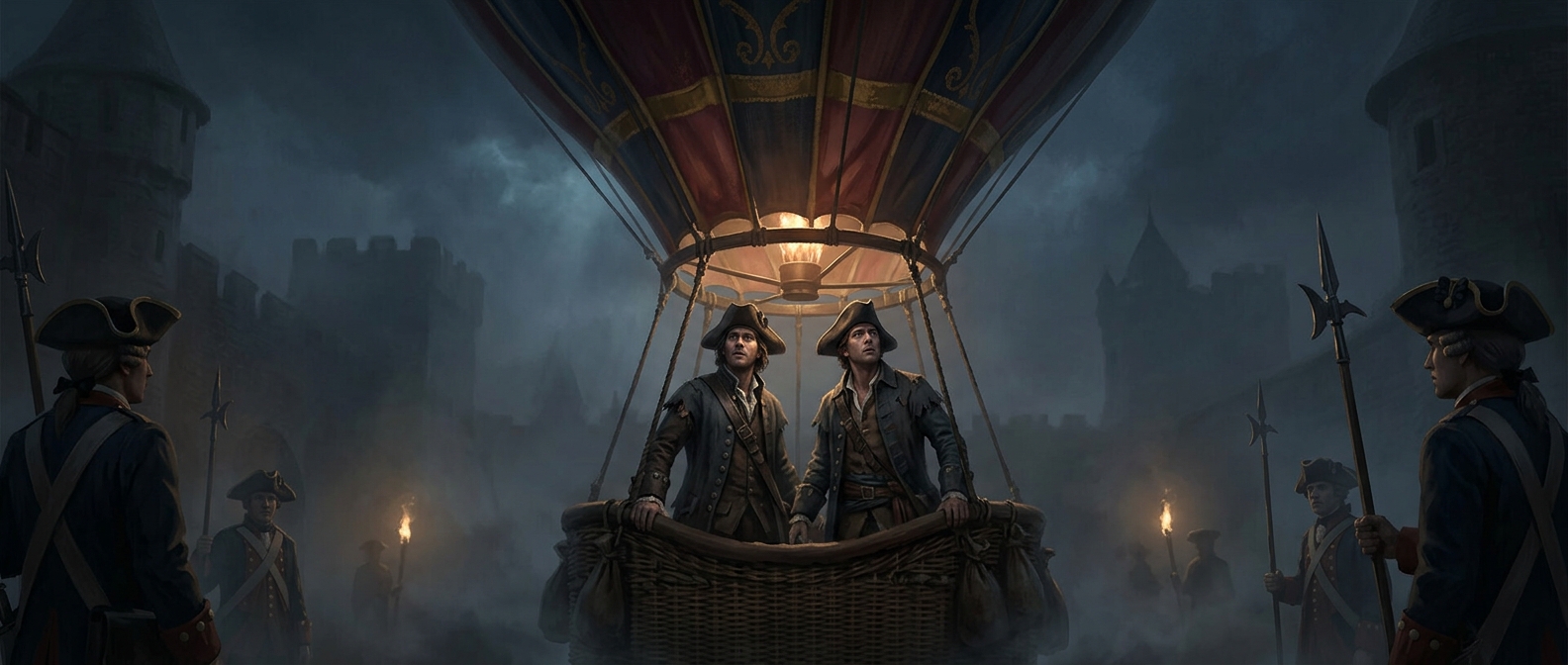
The animals survived, clearing the way for people to take the next risk. Later that year, Pilâtre de Rozier and the Marquis d’Arlandes made the first free, untethered human balloon flight. The striking detail is how the step from invention to transportation began: before anyone trusted a balloon with a human passenger, its first occupants were a sheep, a duck, and a rooster.