How a Black Mirror Became a Window to Angels
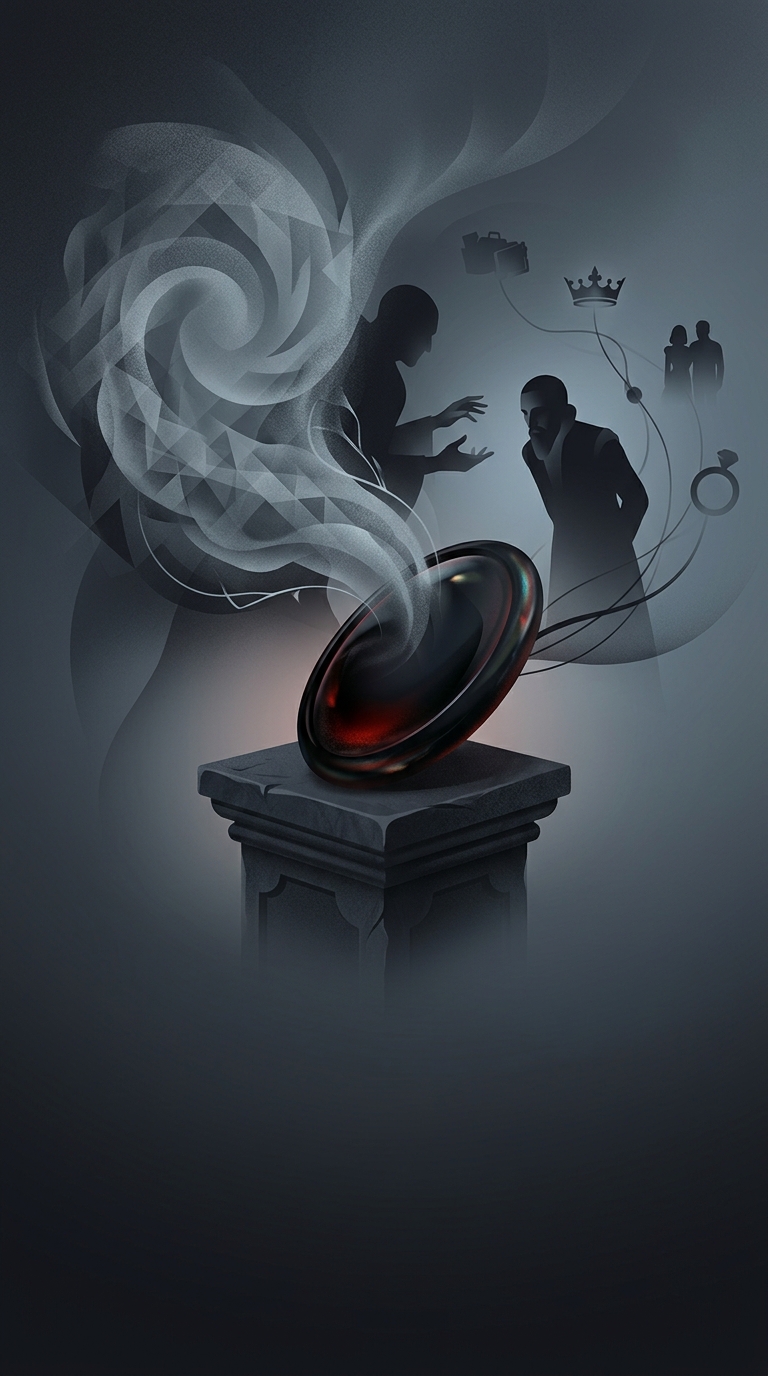
John Dee’s obsidian mirror was not simply a tool for fortune-telling. It belonged to a Renaissance practice called scrying: staring into a reflective or dark surface until images or impressions seemed to emerge. The dim, featureless surface gave the eye little to focus on, making it easier for a viewer to interpret shifting reflections, shadows, or mental images as meaningful.
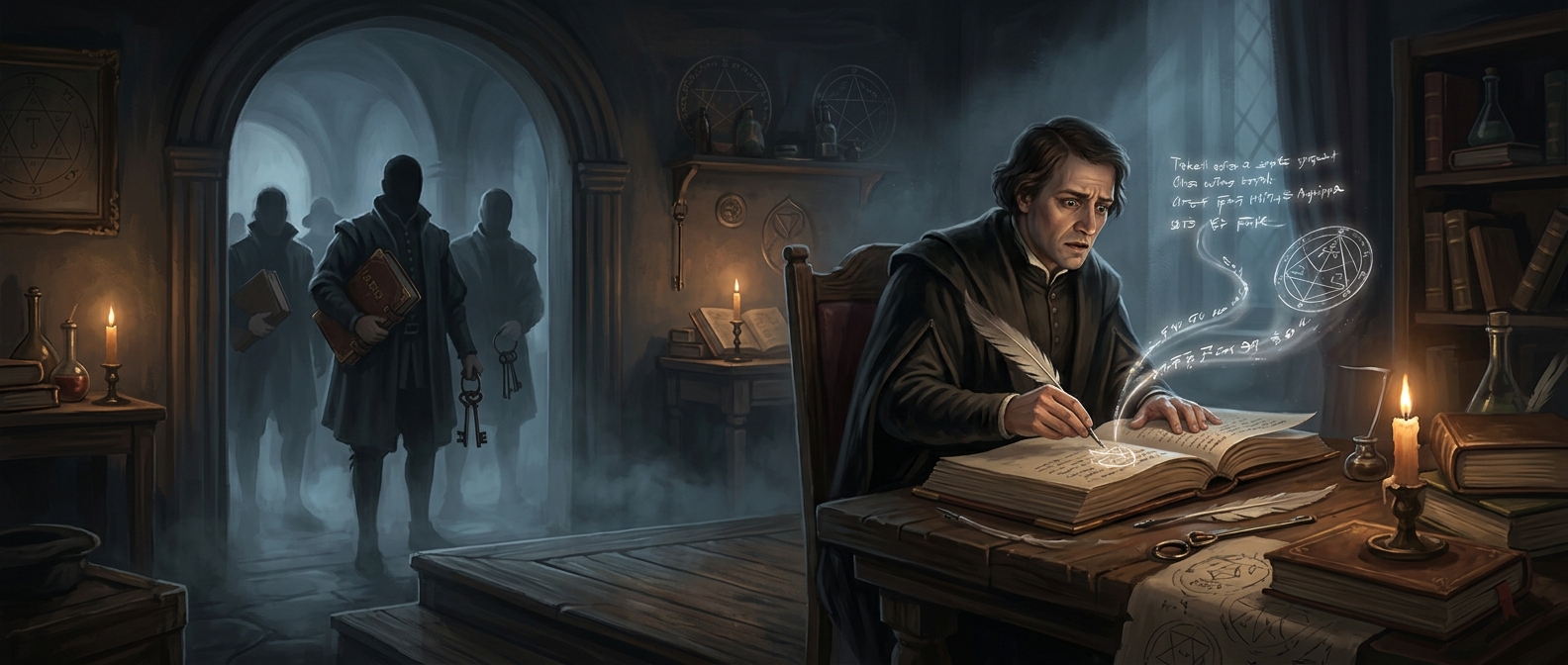
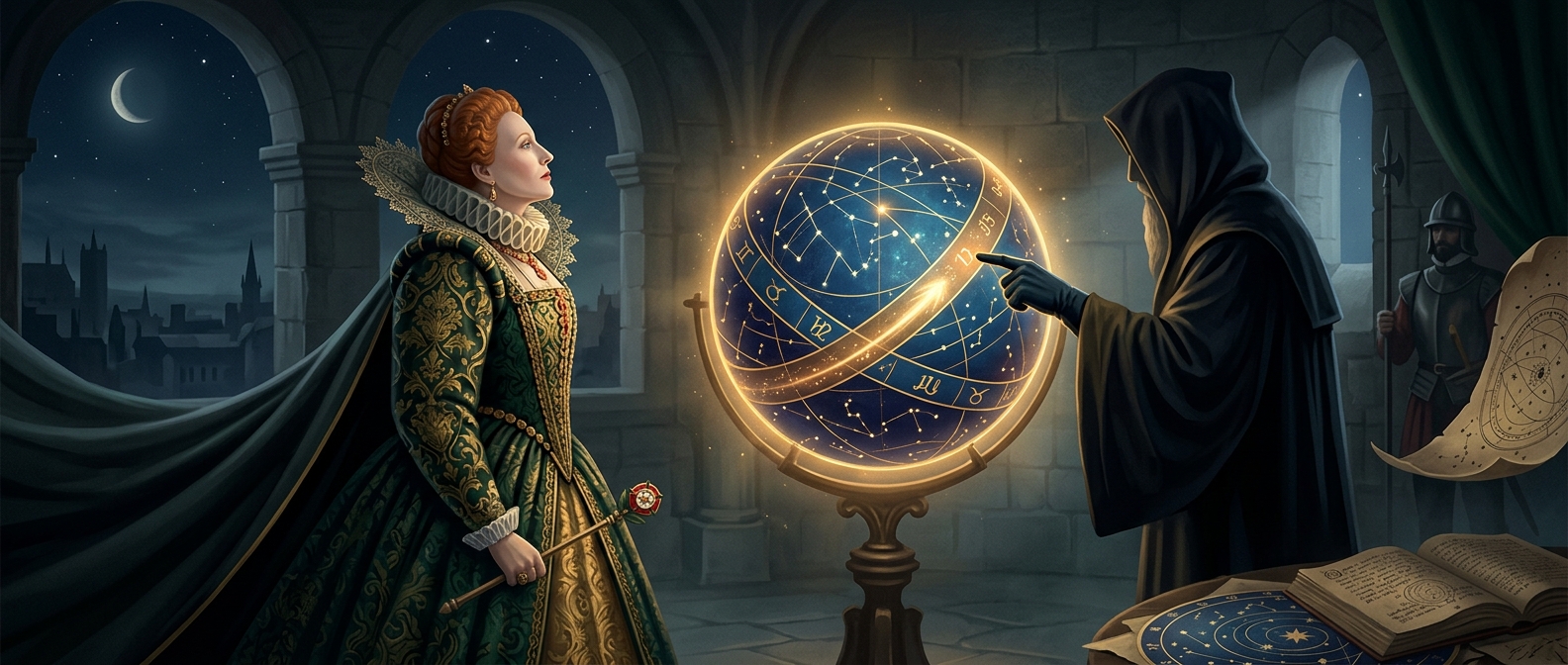
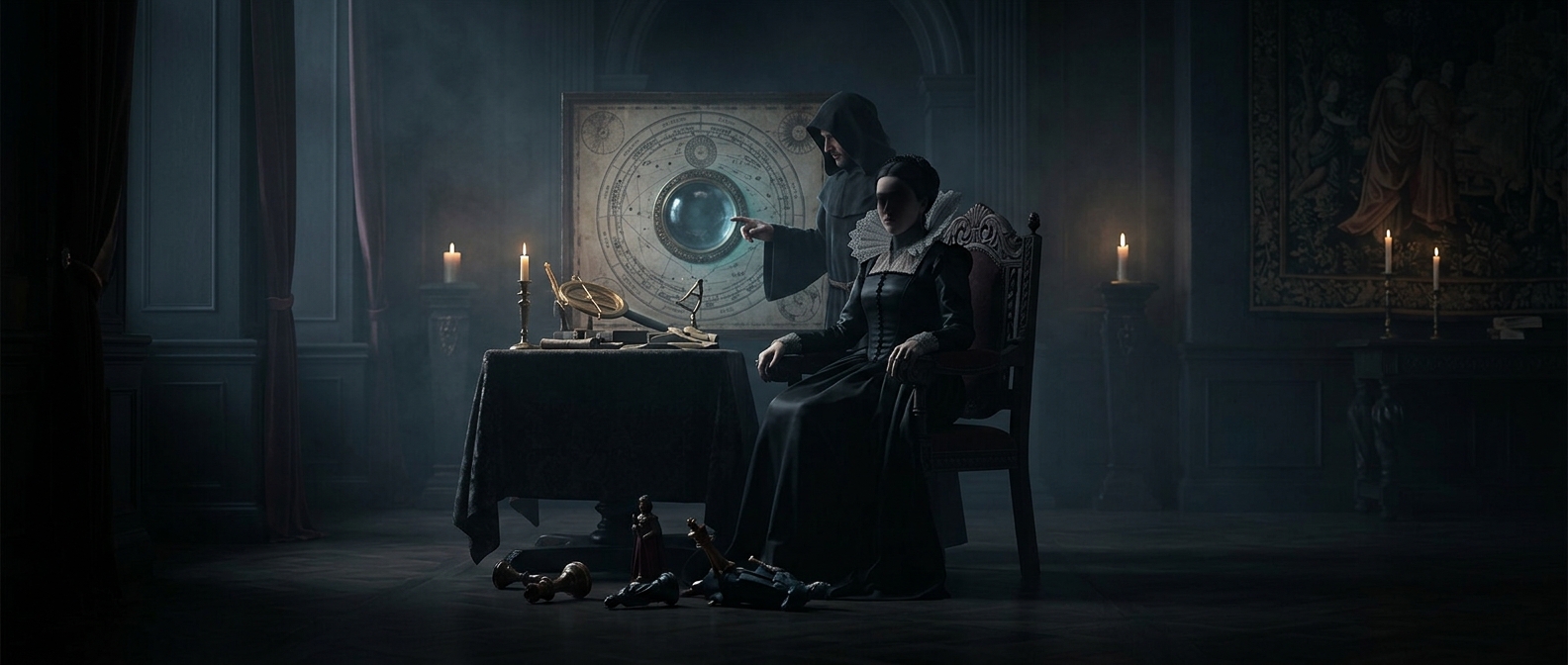
Dee, a scholar and adviser to Elizabeth I, believed that angels could reveal knowledge unavailable through ordinary learning. In his sessions, he prayed and asked questions while looking into the stone. Edward Kelley, who worked with him as a medium, reported seeing figures or messages and relayed their supposed words to Dee. Dee recorded these conversations, treating Kelley’s visions as a channel for divine instruction.
A partnership built on different roles
The arrangement joined Dee’s learning and religious ambition to Kelley’s claimed ability to see and hear spirits. Dee did not present himself as the person receiving the visions; he depended on Kelley to interpret what appeared. That made the sessions both collaborative and vulnerable to disagreement: the meaning of a vision rested on what Kelley said he perceived and how Dee understood it.
The mirror’s material also carried a history far beyond the English court. It was made of polished obsidian, volcanic glass, and was taken from the Aztec world during the Spanish conquest. In Europe, such an object could be treated as an instrument of occult knowledge; in its original context, obsidian had its own uses and significance. Its journey turned a piece of conquered material culture into a prop in Dee and Kelley’s attempt to communicate with angels.
The sessions produced elaborate records, but they could not independently establish that angels had spoken. What they do show is how Renaissance ideas about scholarship, religion, and hidden knowledge could converge around a dark, reflective surface—and how one person’s vision, reported by another, could become a written revelation.