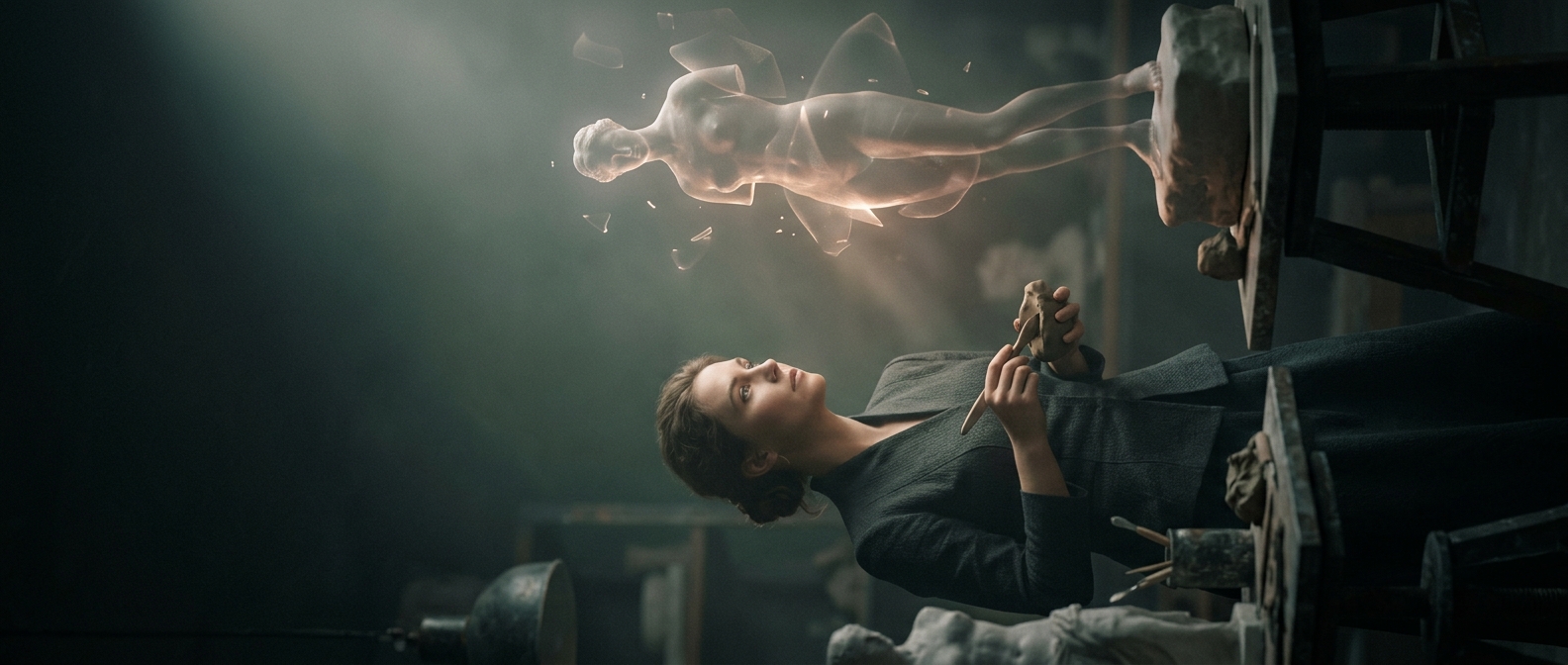
Why being studied can change behavior
People do not always act the same way when they know someone is measuring them. A worker may slow down to avoid mistakes, a student may concentrate harder, or a patient may report symptoms differently because attention is focused on them. In psychology, this kind of shift is often called observer reactivity: the act of measuring behavior can become part of the situation being measured.
That creates a problem for researchers. If participants change what they do, the results may describe their behavior under scrutiny rather than what they would ordinarily do. But observation does not automatically invalidate a study; the key question is whether the change affects the conclusion researchers want to draw.
The factory story is not a simple proof
The label “Hawthorne effect” is commonly tied to workplace studies at the Hawthorne Works factory, including experiments involving lighting and productivity. The popular version says productivity rose because workers knew they were being watched. The evidence does not establish that observation alone caused the rise. Changes in lighting, expectations, attention, or workplace incentives could also have influenced behavior, and those factors are difficult to separate after the fact.
That distinction matters: a memorable label is not the same as a demonstrated mechanism. The factory story is better treated as a warning that research settings can alter behavior than as proof of one universal response to being observed.
How researchers account for reactivity
Researchers can reduce the problem by comparing groups that receive the same attention and measurement but differ in the factor being tested. They may also allow participants time to become accustomed to observation, use unobtrusive measures where appropriate, or check whether behavior changes over repeated observations. None of these methods guarantees that people behave exactly as they would in private; they help reveal whether the measurement itself is driving the result.
The practical lesson is that a study measures not just people, but people in a particular setting, with particular expectations. A finding about behavior under observation may be sound—and still not describe what happens when nobody is watching.