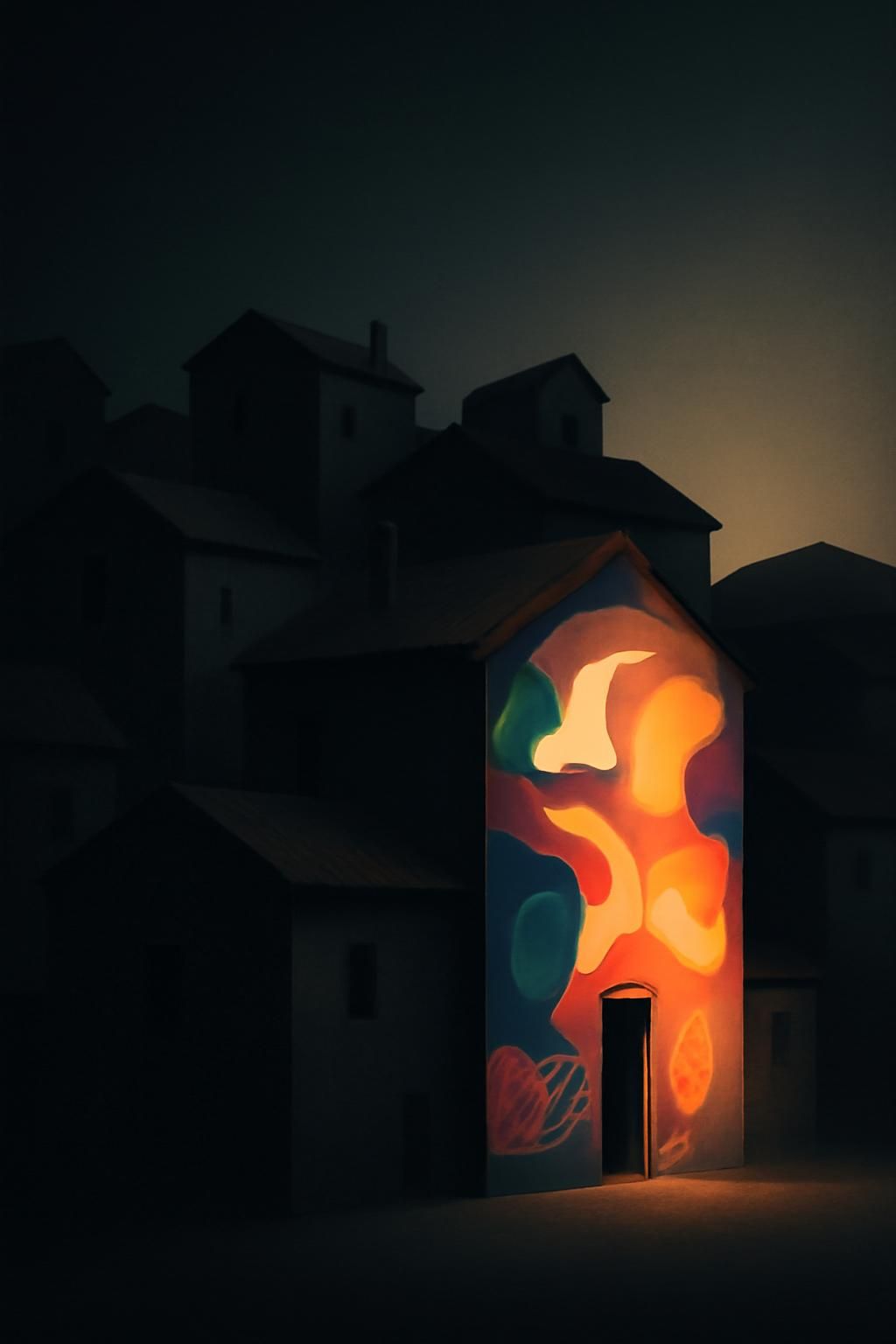
How Fanzara Put Its Walls to Work
Fanzara, a small village in Spain’s Castellón province, faced a familiar rural problem: as residents left, empty homes and quiet streets made it harder to attract visitors or support local businesses. Rather than build a conventional tourist attraction, the village began inviting street artists to paint murals on its buildings. The artwork turned ordinary walks through the village into a reason to come.
From Painted Facades to a Visitor Route
The murals are displayed across homes and public spaces, so seeing them means moving through Fanzara itself. Visitors encounter the village street by street, with painted walls providing landmarks and drawing attention to corners they might otherwise pass. The result is an open-air collection that changes the experience of a small place without requiring a purpose-built museum.
That format also makes the project visible in daily life: residents live alongside the art, and the buildings remain part of the village rather than becoming a separate attraction. New works can add another stop or give returning visitors something different to notice.
Why the Art Could Help Local Life
A mural does not by itself reverse population decline, but visitors can create demand for the practical things a day trip or overnight stay requires. As people came to see the walls, small cafes and rooms for rent reopened, giving some of that attention a local destination and a chance to circulate through the village economy.
Fanzara’s approach links cultural activity to a concrete local asset: its own streets. The gallery is not behind a ticket desk; it is woven into the route through town, where a painted wall can lead visitors toward a cafe, a place to stay, or simply the next mural.