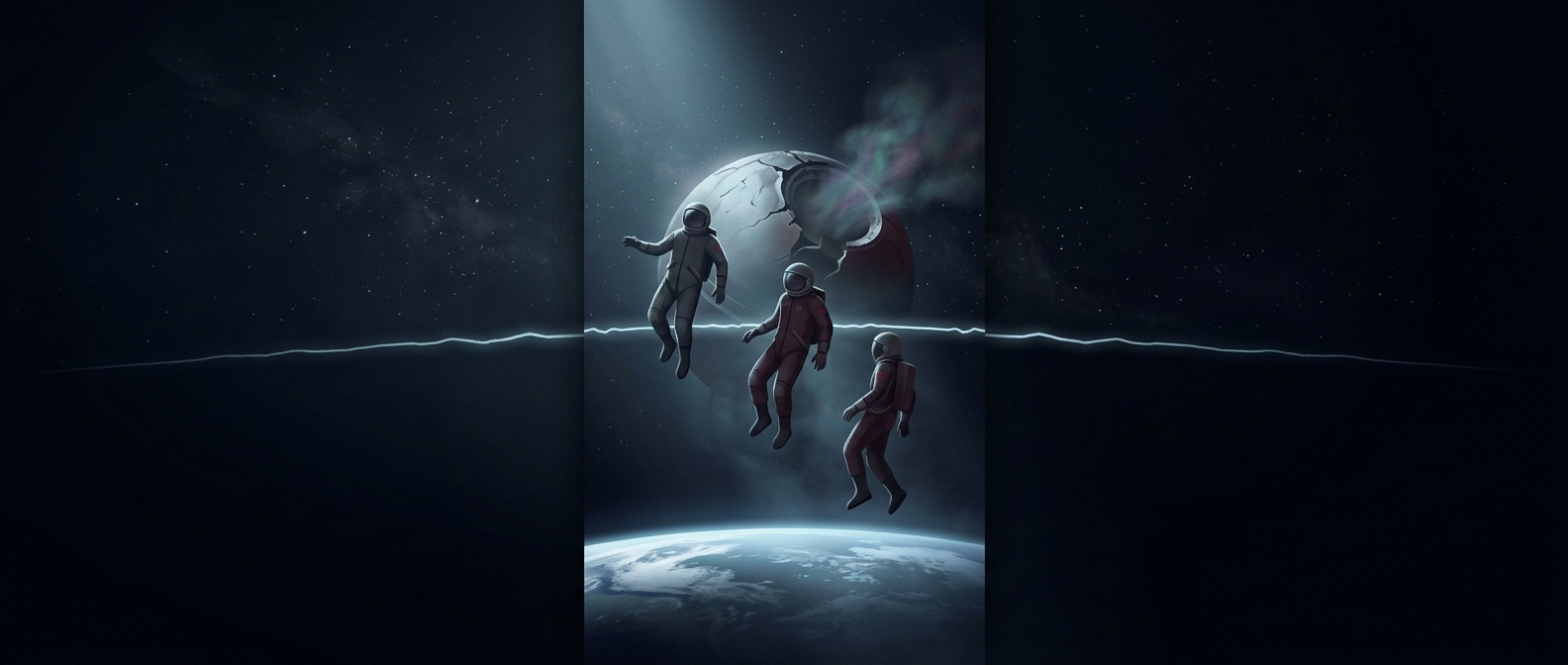
A routine separation opened a fatal path to vacuum
Soyuz 11 was returning from the Salyut 1 space station when its crew capsule began the sequence that would carry it back through the atmosphere. At separation, explosive bolts released the craft’s modules. The jolt also caused a pressure-equalization valve in the descent module to open unexpectedly. The valve was meant to let air pressure equalize after landing; open in space, it let the cabin’s air escape.
The three cosmonauts were not wearing pressure suits. As the cabin depressurized, they had only moments to respond, and the small valve was difficult to reach from their seats. The capsule continued its automatic return and landed, but the crew had died before it reached the ground.
The design tradeoff changed
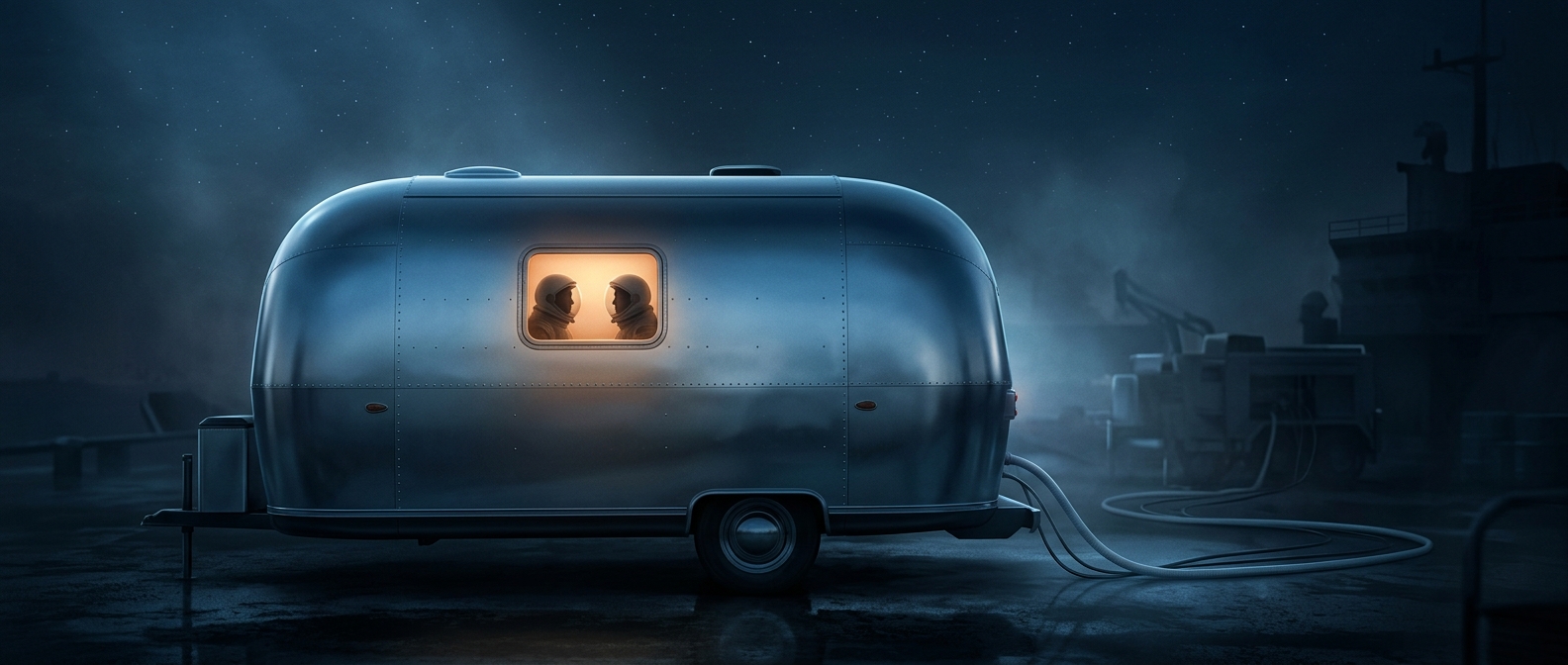
Soyuz 11 had been the first crewed mission to visit a space station, and its three-person crew traveled without individual pressure suits. The cabin was configured to accommodate all three that way. After the accident, Soviet crews flew in pressure suits during the dangerous phases of launch and landing, and Soyuz missions were limited to two people so the suits could fit.
That change addressed a key vulnerability: a pressure suit can preserve an astronaut’s immediate surroundings even if the cabin loses air. It does not make a spacecraft immune to failure, but it gives the crew a crucial layer of protection when cabin pressure is lost.
Why the loss still stands apart
The crew died during the return from orbit, outside Earth’s atmosphere—the setting commonly meant by “died in space.” Their capsule survived the descent and landed intact, a stark reminder that a spacecraft can complete its programmed return even when its crew cannot. The Soyuz redesign made one lesson concrete: on a spacecraft, a small valve and the decision to wear—or omit—a pressure suit can determine whether a recoverable cabin failure becomes fatal.