A film made for an audience a century away
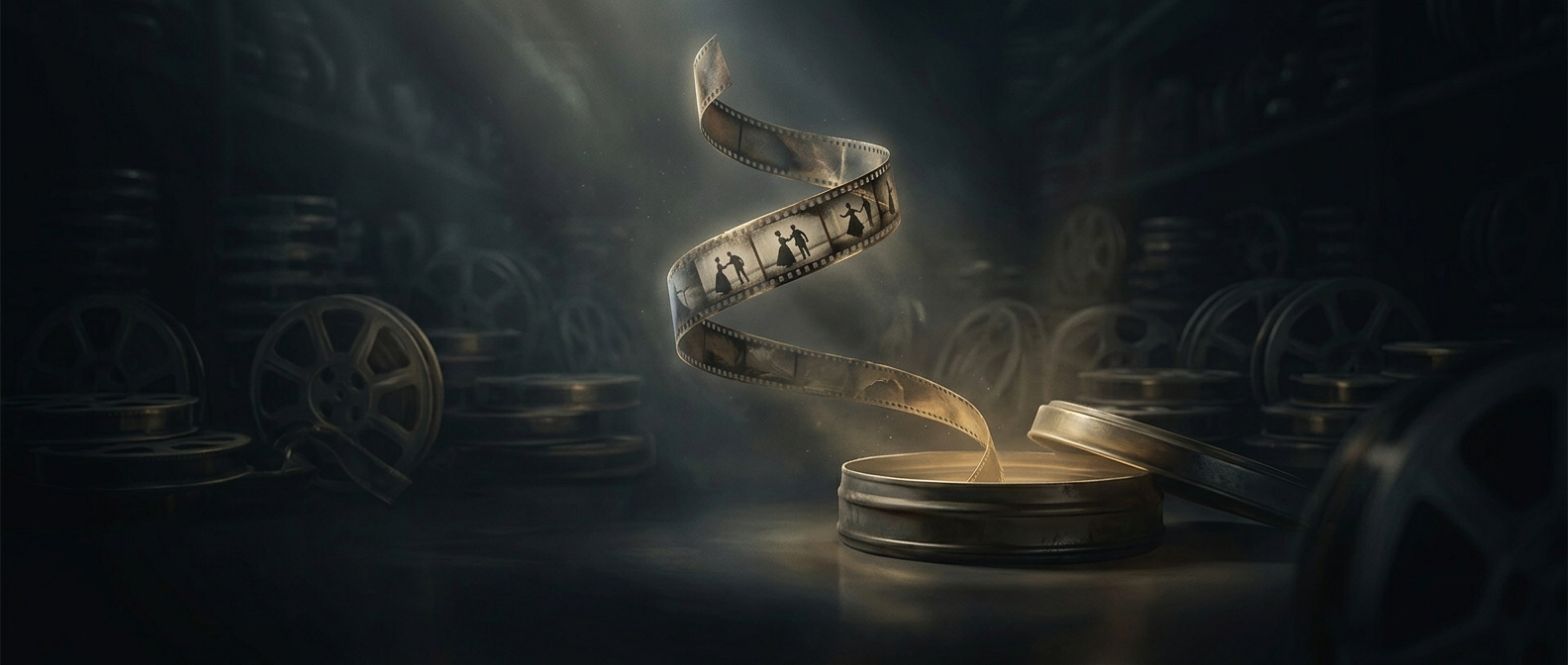
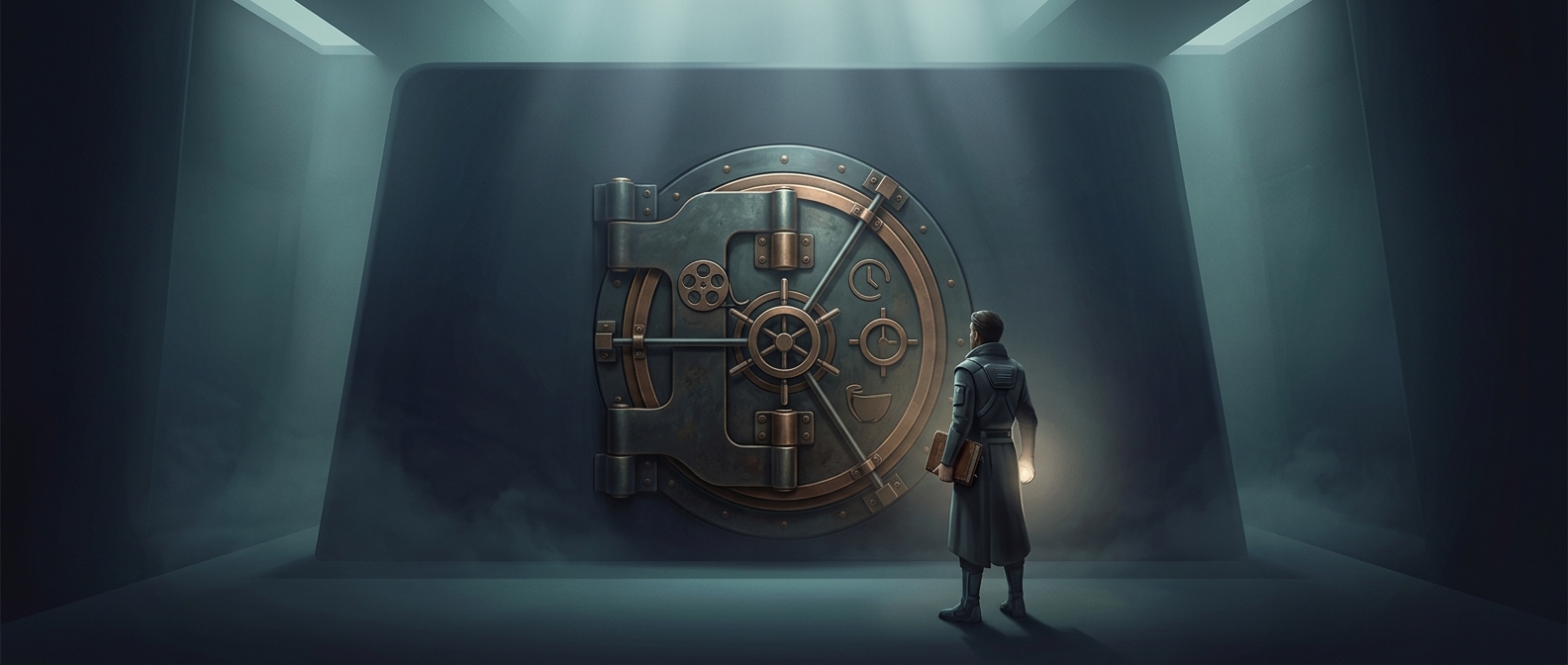
When 100 Years was completed in 2015, its creators did not plan an ordinary premiere. The film, made by actor John Malkovich and director Robert Rodriguez for Louis XIII cognac, was placed in a time-locked safe with a release date set for 2115. The unusual delay turned the wait itself into part of the project: most people who helped make the film will never see its scheduled public screening.
The brand’s aging process became the idea
Louis XIII is a cognac whose production involves long aging in oak barrels. The film’s century-long lockup echoed that emphasis on time, translating a product association into a literal constraint on when the work could be watched. Rather than merely talking about patience, the project made viewers wait—far longer than the usual gap between a film’s completion and release.
That constraint also shaped the film’s audience. Its intended viewers include people who were not yet born in 2015, so the premiere is aimed at a future generation rather than the people who commissioned or created it. The project’s central question is therefore not only what the film contains, but what it means to make a piece of entertainment for people its makers cannot meet.
A premiere with no ordinary feedback loop
Most films reach audiences soon after production, allowing viewers’ reactions to become part of the work’s public life. 100 Years instead separated making from viewing by a century. The finished film could be preserved, but its creators could not watch it land with the audience it was designed to reach. The release date is the project’s most striking creative decision: the film’s first audience is meant to inherit it.