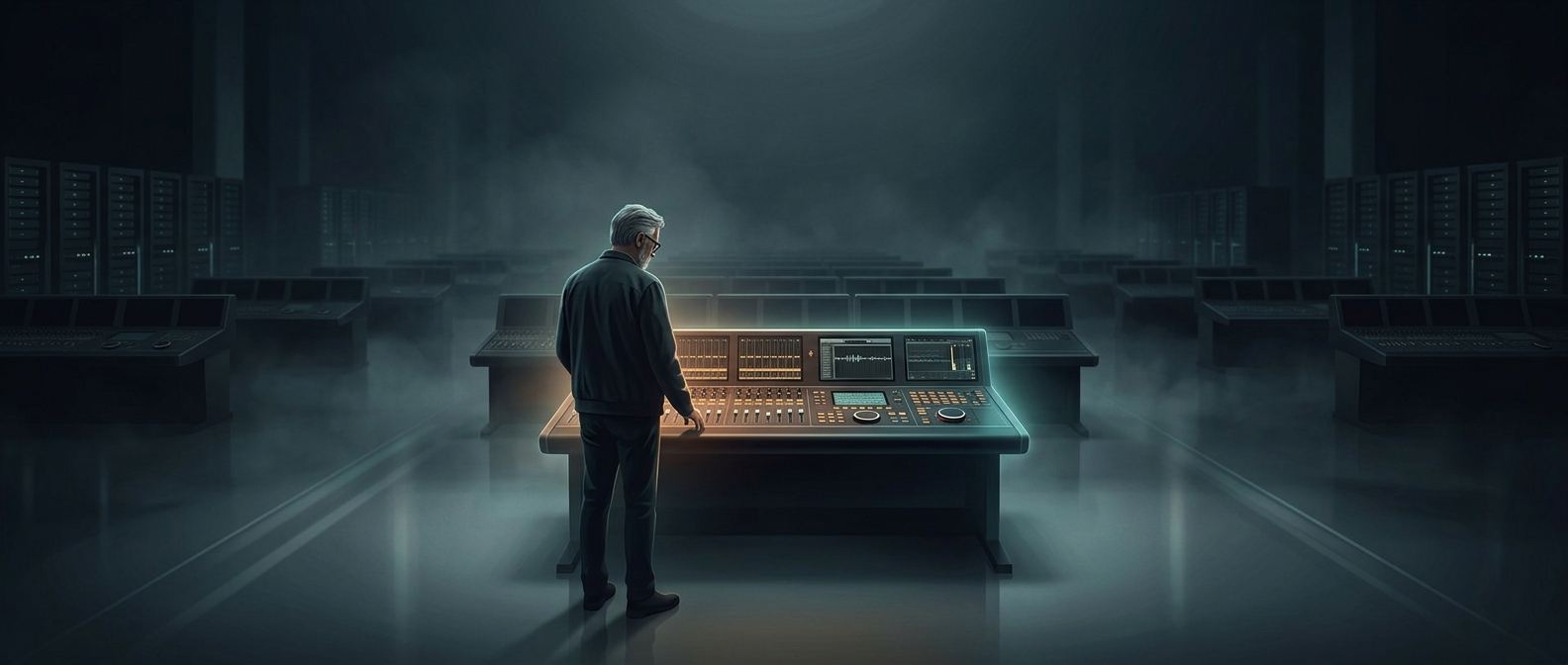
SoundDroid Put Audio Editing on a Screen
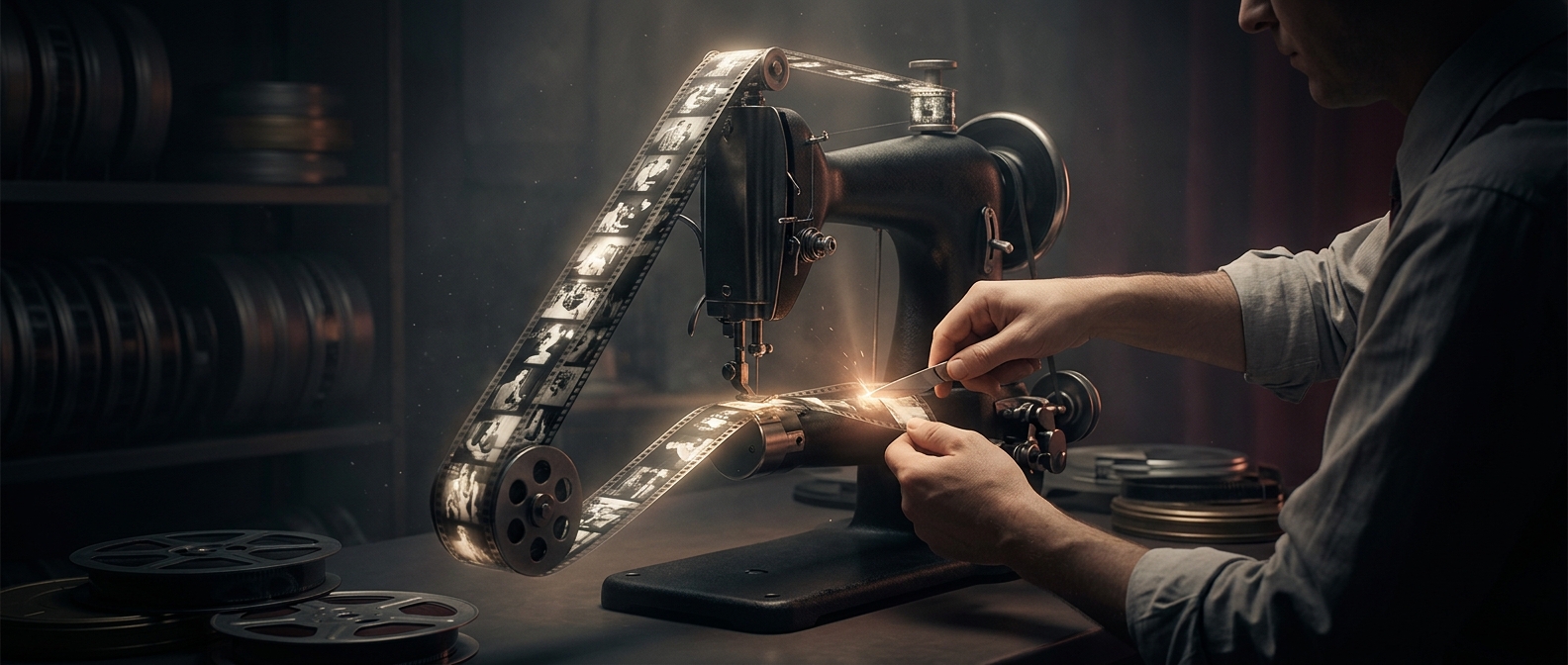
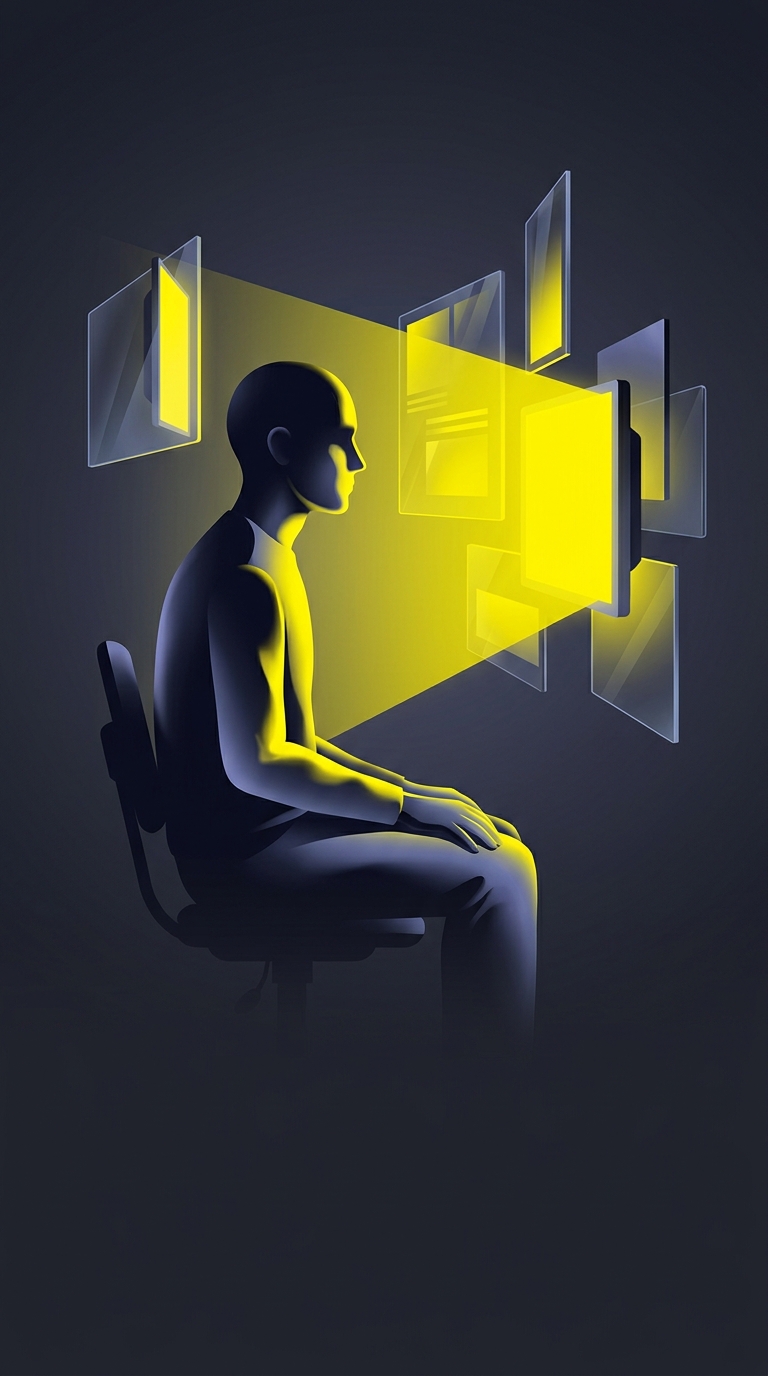
In the early 1980s, Lucasfilm’s SoundDroid tried to replace the familiar tape-editing bench with a digital, touchscreen workspace. Rather than cutting and joining strips of magnetic tape by hand, an editor could work with recorded sound as digital information, using the screen to select and rearrange material.
That shift mattered because editing is not simply a matter of moving clips. Editors build timing and rhythm through repeated listening, careful cuts, and small adjustments. A computer-based system promised a more direct way to locate and manipulate sounds—but only if its controls felt dependable in the hands of people who had spent years mastering tape.
The Problem Was More Than the Interface
The SoundDroid faced two practical barriers at once. The equipment was expensive, making it a difficult investment for studios, while many veteran editors already had a fast, tactile method they trusted. Tape made each operation visible and physical: find the passage, handle the material, make the cut. A touchscreen offered a different kind of control, but learning it meant changing an established craft as well as adopting costly machinery.
That helps explain why technical ambition alone could not guarantee a market. A new tool had to save enough time or improve the work enough to outweigh its price and the disruption of retraining. For editors and studio managers, the question was not whether digital editing was futuristic; it was whether it made everyday work better enough to justify switching.
A Preview, Not a Commercial Breakthrough
SoundDroid did not win over the market. Its difficulty points to a recurring challenge in creative technology: replacing a physical process requires more than making the old actions possible on a screen. The new system must fit the pace and instincts of the people doing the work—and be affordable to the organizations paying for it. SoundDroid’s touchscreen anticipated a different future for audio editing, but its intended users were not yet ready to trade familiar tape workflows for that expensive change.