The hard part is separating elements that behave alike
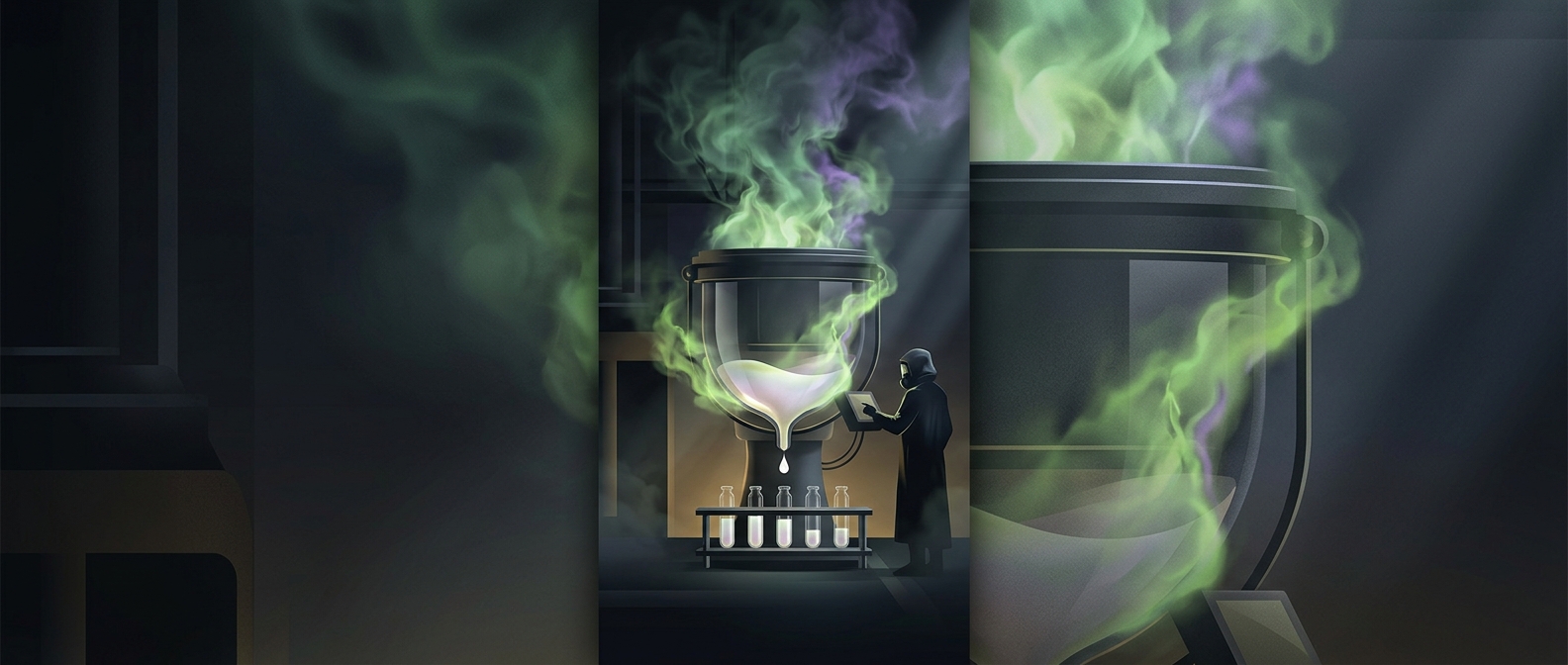
Rare earths are usually found together in ore, not as clean, isolated metals. Their atoms have similar chemical properties, so a processor cannot simply remove one element with a single step. The ore is broken down, then put through repeated chemical treatments that sort the elements by small differences in how they dissolve or bind to other substances. Each stage can produce leftover liquids and solids that need careful handling.
The ore can carry hazardous passengers
Some rare-earth deposits also contain thorium or uranium, naturally occurring radioactive elements. These may end up concentrated in mining and processing waste rather than in the desired product. The risk depends on the deposit and how the waste is managed; rare earths themselves are not all equally hazardous. But separating the useful material does not make every unwanted substance disappear—it shifts those substances into streams that must be contained or treated.
Waste management is part of the real cost
Processing plants need systems for storing tailings—the leftover crushed material—and for treating chemical waste so it does not seep into soil or waterways. Those controls require land, equipment, monitoring, and long-term care. If producers face pressure to keep costs low, weak controls can make the product cheaper while leaving nearby communities and ecosystems to bear more of the risk. The key tradeoff is therefore not just how much rare earth a mine can extract, but whether the waste from separating it can be safely managed.