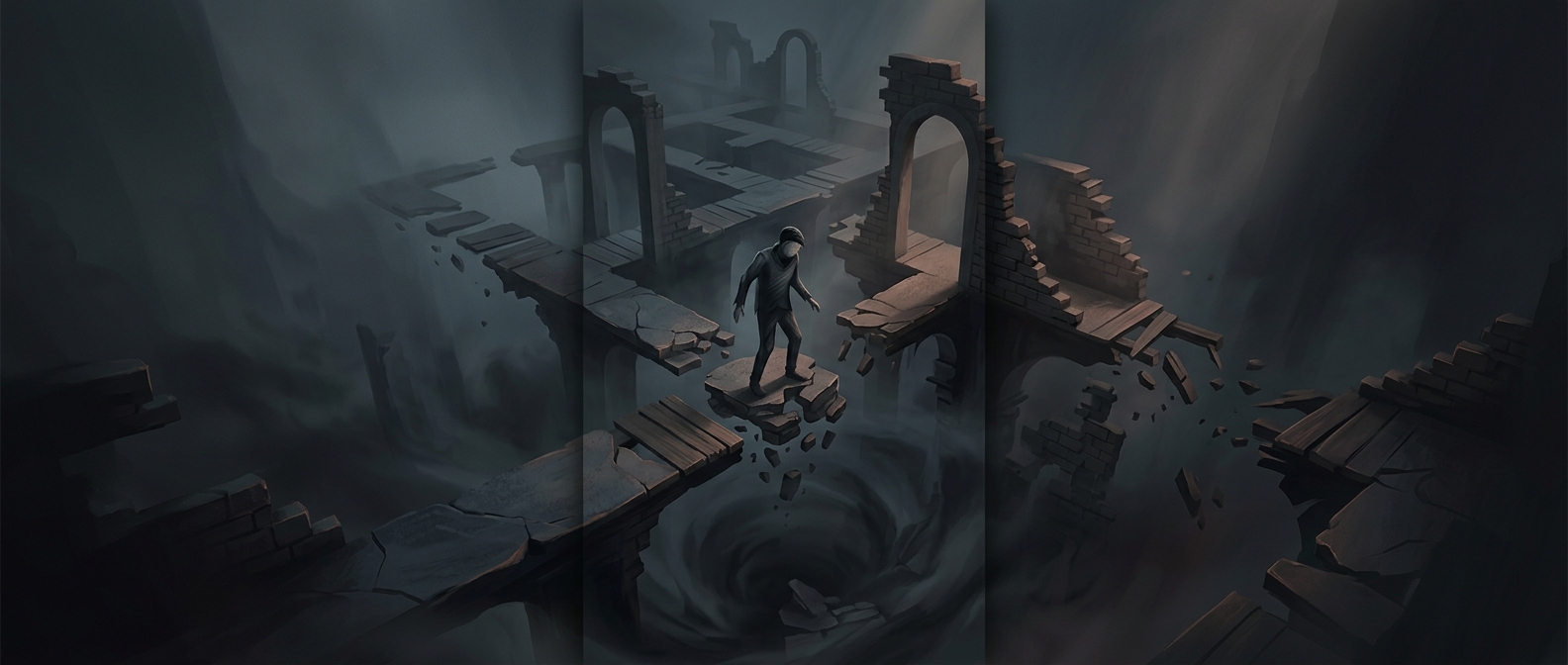
How financial pressure occupies the mind
A bill due soon is not just a number on paper. It can trigger repeated questions: What must be paid first? Can a household afford food, transport, or supplies? Those questions keep returning because they have consequences, taking attention that might otherwise go to an unrelated task.
Psychologists often describe this as cognitive load: the mental effort used to keep track of concerns and make decisions. When urgent needs dominate that effort, a person may find it harder to focus, remember instructions, or solve a problem in the moment. That does not mean poverty reduces intelligence; it means fewer mental resources are available for the task at hand.
Why the harvest can bring mental breathing room
For sugarcane farmers, harvest can change the timing of income. Before payment arrives, a farmer may be trying to manage expenses while waiting for earnings from the crop. After harvest, that immediate uncertainty can ease. The underlying financial situation may still be difficult, but fewer urgent calculations are competing for attention at once.
That shift helps explain why the same person may think more clearly after harvest without having gained new knowledge or ability. The change is in the demands surrounding the mind, not in the mind’s basic capacity. Poverty’s pressure can therefore work like a concentration tax: it makes ordinary thinking harder precisely when careful decisions are most needed.