A Red Signal Protects a Stretch of Track
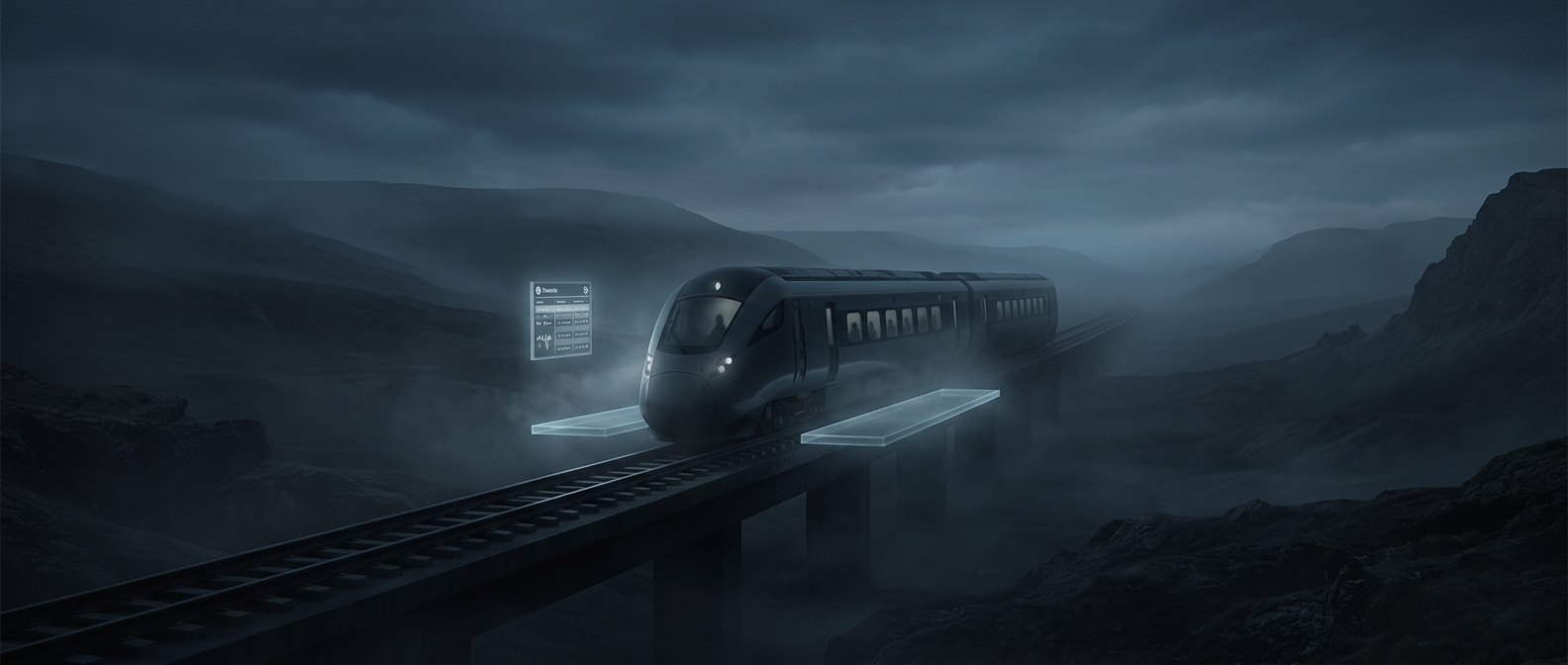
Railways divide busy routes into sections called blocks. A train is normally allowed into a block only when the railway’s signaling system has established that it is safe to do so. Sensors can detect a train by monitoring electrical changes in the rails or by counting axles as they enter and leave a section. Until the system registers that the block is clear, the signal holds the next train back.
The protected space is longer than the train itself. It gives one train room to pass through a section without another following too closely, and it helps prevent a following train from catching up to one ahead. A signal can therefore remain red even when no train is visible: the section may still be occupied farther along, or the system may not yet have confirmed that it is clear.
Why the Stop Can Look Arbitrary
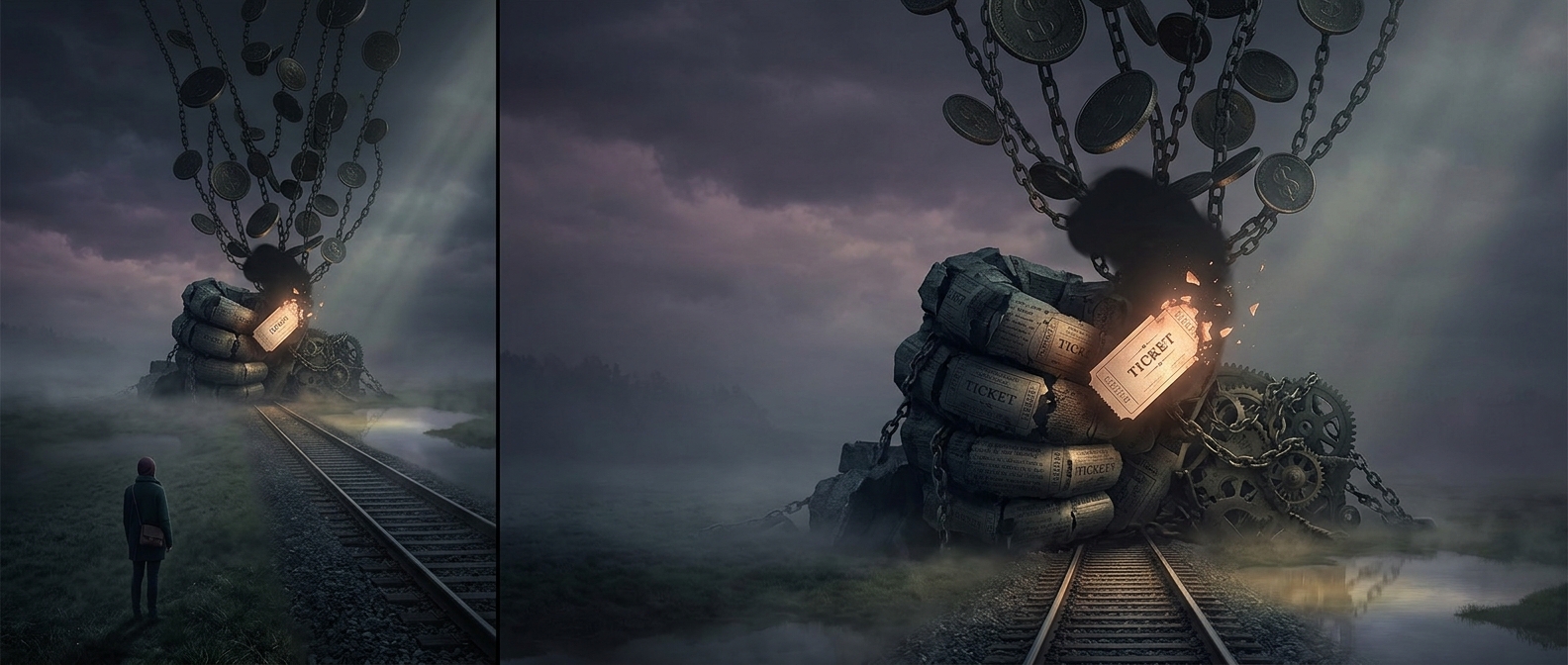
Signals have to be placed at useful boundaries along the railway, where crews can see and obey them and where the system can protect the next section. The track may run through open farmland, past a station, or beside a road; the scenery does not determine where a block begins. If a red signal stands in a field, that is where the railway’s safe stopping point happens to be.
A train also needs substantial distance to slow down, so its driver must respond to signals well before reaching the section they protect. But once the train reaches a red signal, moving past it without authority could put it into track that has not been cleared. The wait may seem pointless from the cab, yet it preserves the separation the signaling system is designed to maintain.
The Field Is Part of the Railway
That separation can depend on equipment and track sections far beyond the view from the cab. A train may be stopped by a vehicle ahead, a delayed clearance, or a system that has not confirmed the track is free. The landscape is merely incidental: the railway’s invisible boundary is what determines where the train must wait.