A timetable for seats, not a head count
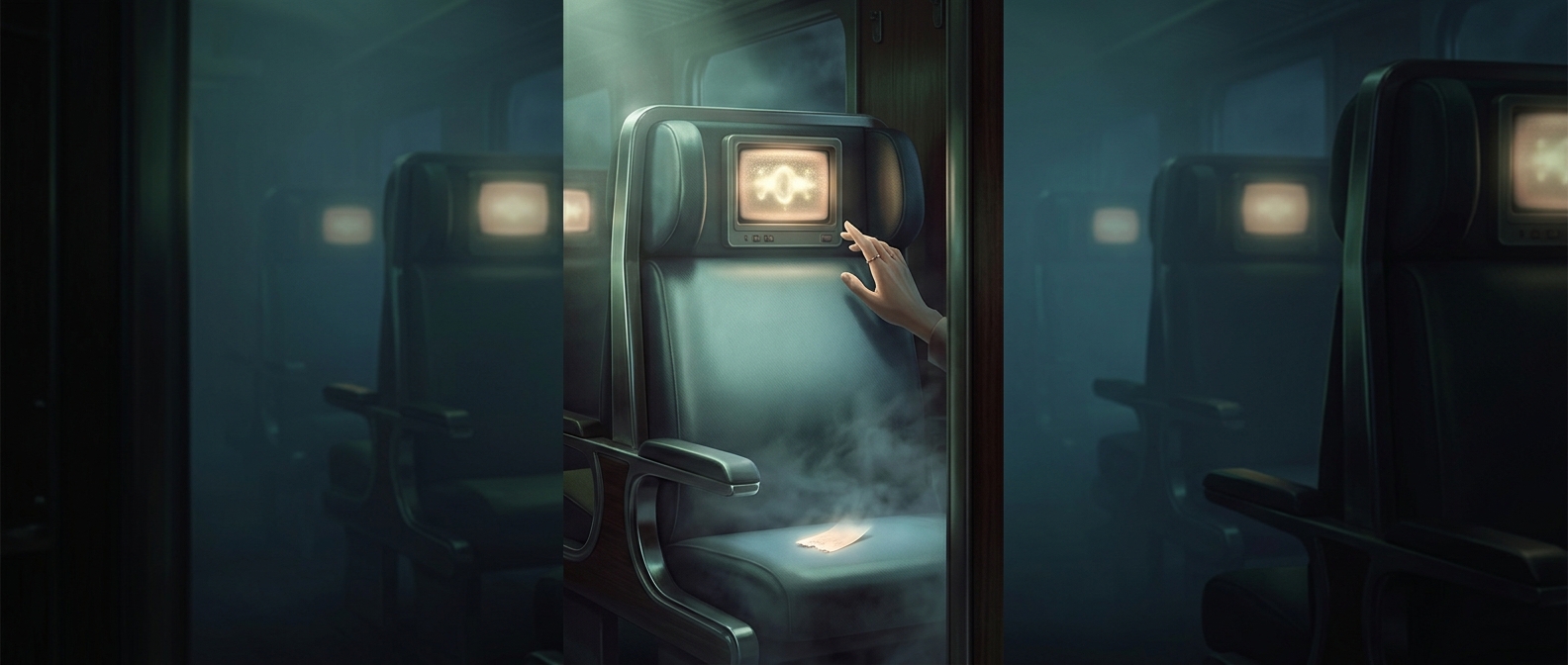
A reservation display is best understood as a view into a booking system. It can show which seat has been assigned to a passenger for a journey or part of one, but that assignment is not the same thing as a report of who is physically sitting there. Unless a train has separate occupancy sensors feeding the display, the screen has no direct way to know whether a passenger boarded, moved, or left the seat empty.
That distinction matters on trains where one seat can be reserved by different passengers for different sections of the route. The reservation plan may mark a seat as available now but booked farther along, or show it as reserved even before its passenger arrives. The screen is describing the planned use of the seat, not its present occupant.
Why the plan can lag behind the carriage
Booking changes have to travel from the reservation system to the equipment displaying them. How quickly that happens depends on how the train’s systems are connected and updated. A change made after the display’s latest update may not appear immediately; a seat swap, meanwhile, may never be entered into the booking record at all. The screen can therefore remain accurate about the reservation on file while being wrong about what a passenger sees in the carriage.
The design favors a useful promise—where a reservation applies—over a live account of every person’s movements. For travelers, the practical clue is that a displayed reservation describes a claim on a seat, often for a particular stretch of the journey; it does not prove that the seat is occupied right now.