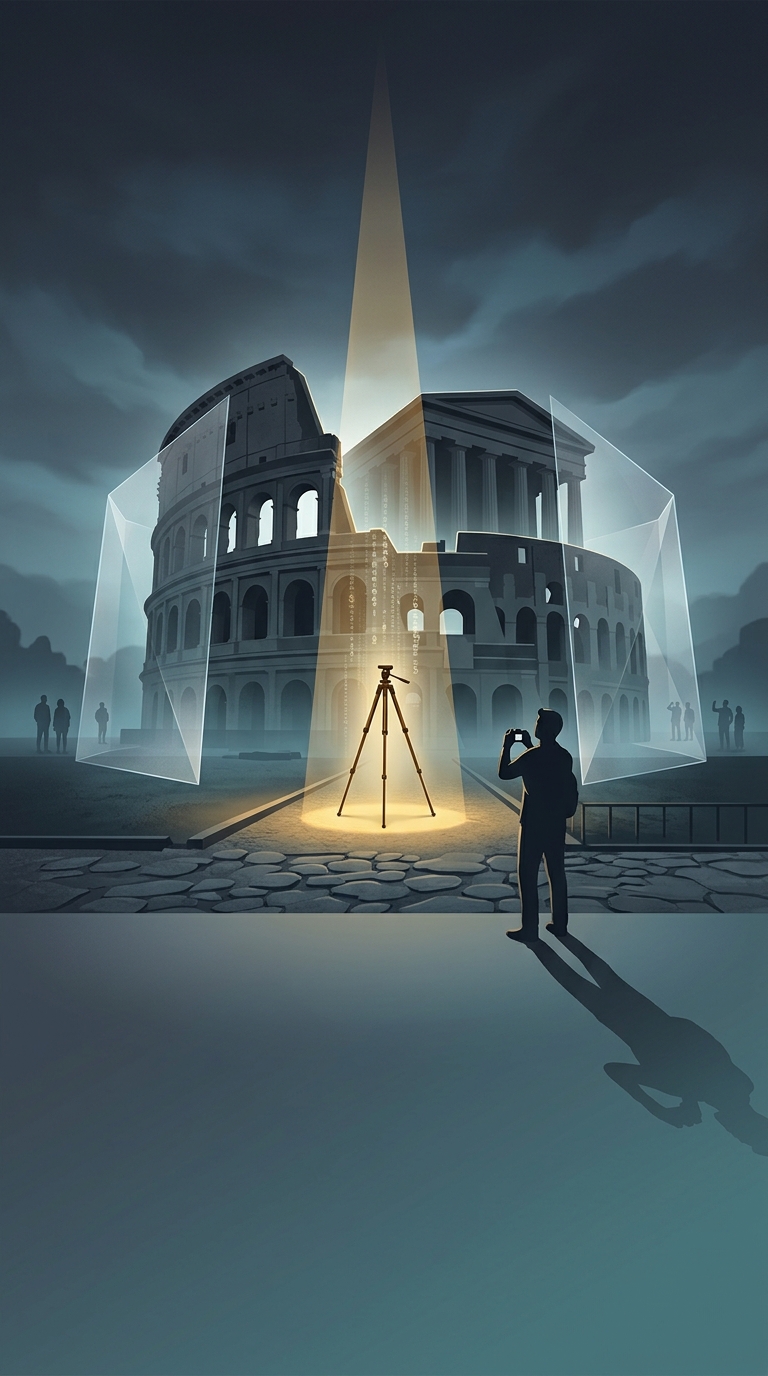
When a city landmark became a crowd magnet
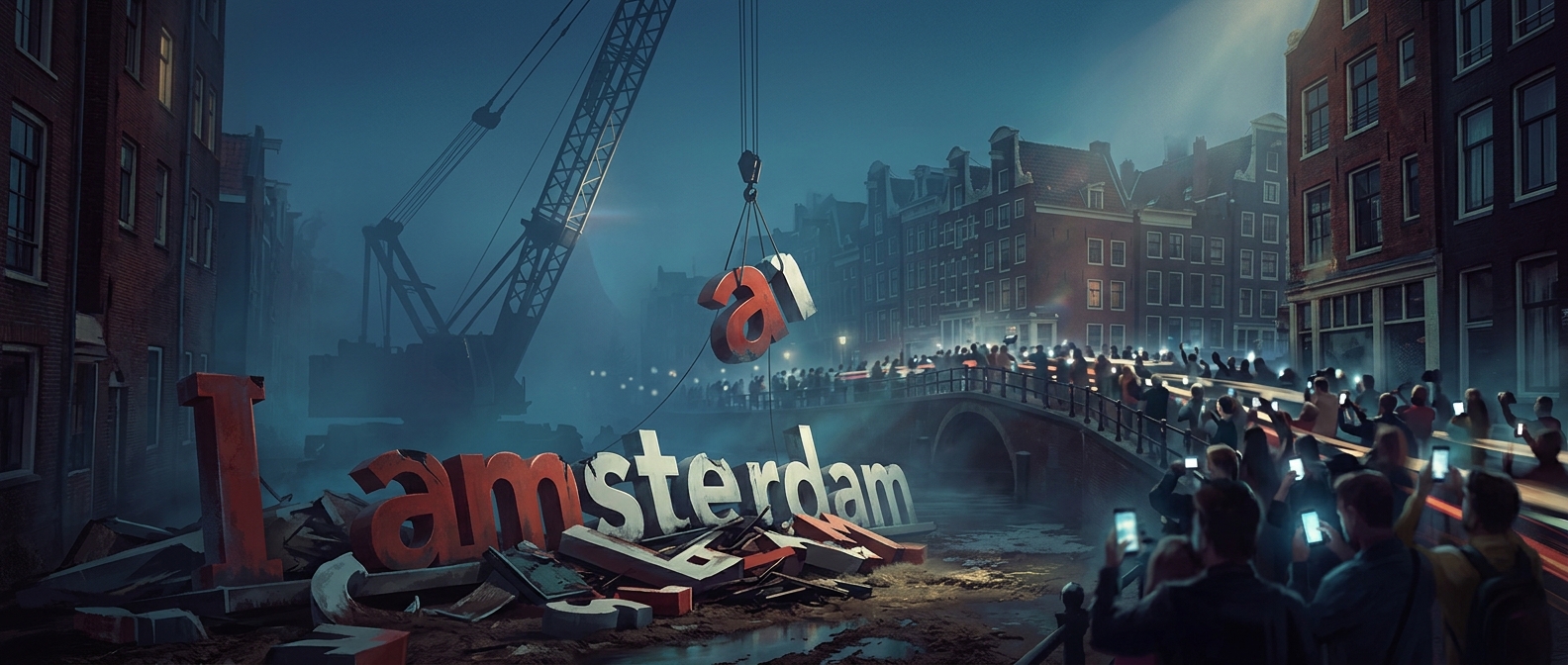
The red-and-white “I amsterdam” letters were designed as a playful city-branding landmark. At Museumplein, beside major museums, they also became a ready-made photo set: visitors climbed onto the letters and paused to frame pictures, while other pedestrians had to thread around them. The attraction did more than decorate the square; it concentrated people in one spot and made the space harder to use as an ordinary public place.
The tradeoff behind removing the sign
Amsterdam’s decision to take the central sign away reflected a broader tension in popular destinations: the same feature that draws visitors can add to pressure on streets and public spaces already busy with tourism. A branded photo opportunity encourages people to stop, gather, and linger—not simply pass through. In a museum district, that can turn an open plaza into a queue of informal photo shoots.
Removing the letters did not erase the city’s identity or its appeal. It changed what the square was being asked to do. Instead of serving as a stage for a single, highly visible tourist attraction, the space could function more freely for people moving between museums and using the plaza. The decision captured a practical shift in priorities: a city landmark can be popular and still take up more public space than the city wants to give it.