A Webcam Usually Opens After a Small Breach of Trust
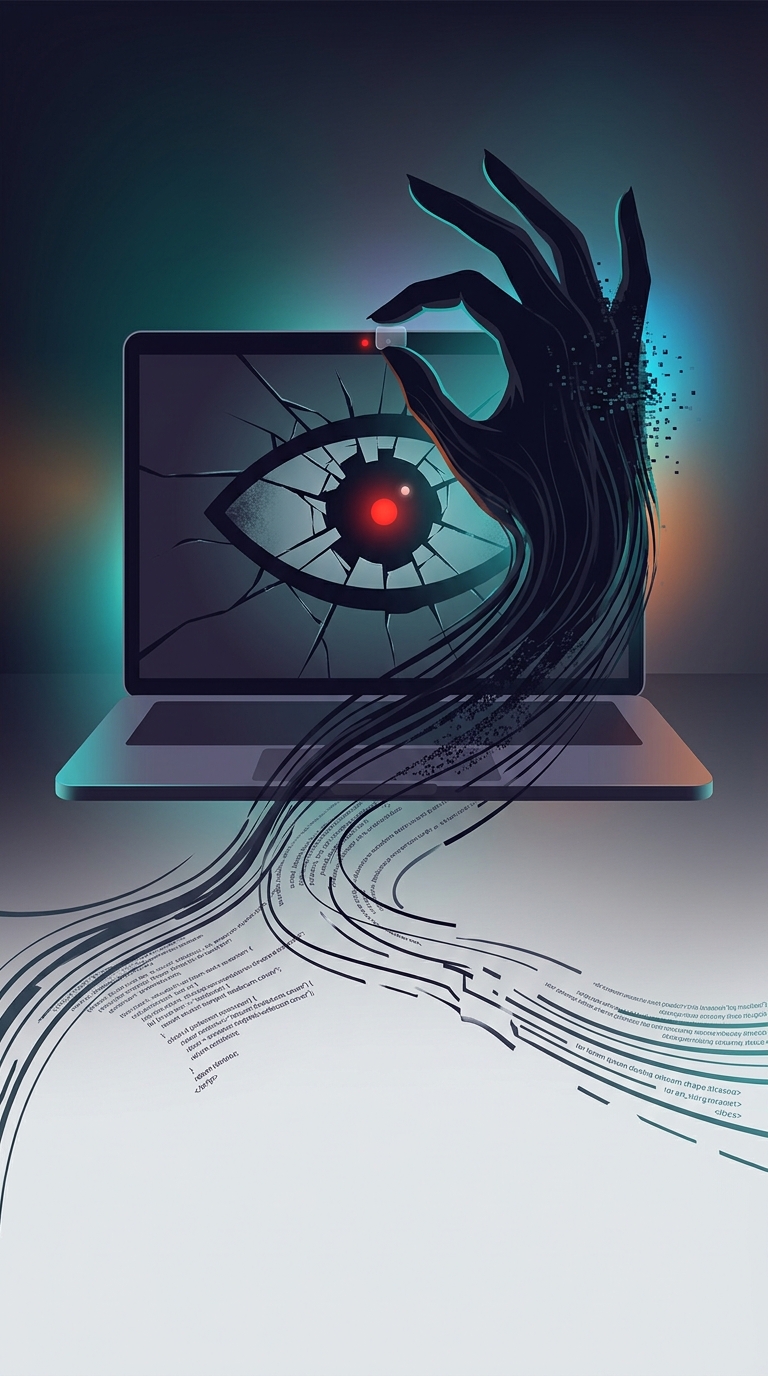
The simplest route is often not a dramatic break-in. It is getting the laptop to run software the attacker controls—perhaps through a fake download, a booby-trapped attachment, or a convincing prompt that persuades someone to install an app. Once that software is running, it may be able to request camera access or exploit a weakness in the operating system or browser.
A remote-access trojan is malware that lets an outsider control parts of an infected computer over the internet. Depending on its permissions and the device’s safeguards, it can potentially activate the camera and send video elsewhere. The key step is usually compromising the computer first; knowing someone’s webcam address is not normally enough to switch it on.
Why the Camera Light Is Not a Complete Guarantee
Many laptops turn on an indicator when the camera is active, and some designs link the light directly to the camera’s power. But indicators and protections differ by model, and software can sometimes misuse permissions or take advantage of security flaws. A dark screen or an unnoticed light therefore should not be treated as proof that a device is safe—or as proof that it has been hacked.
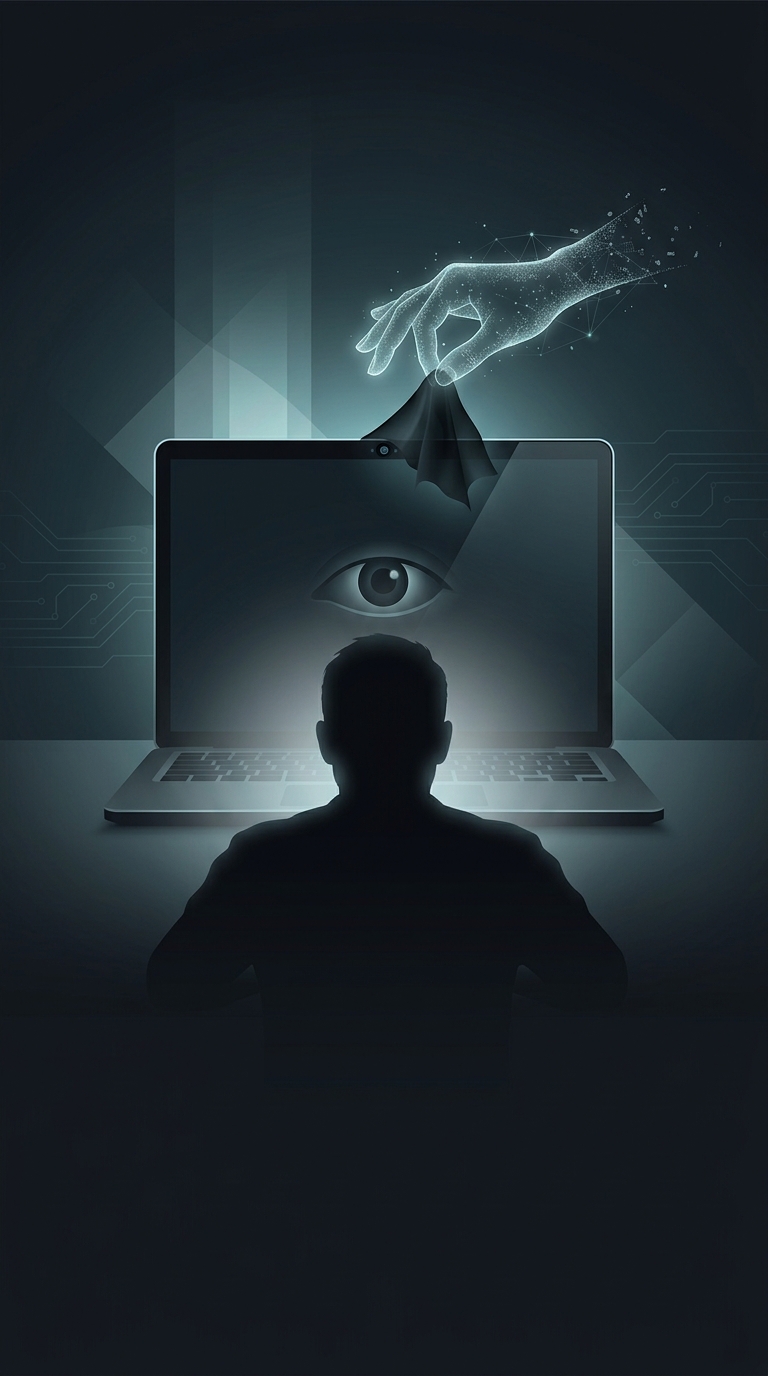
The practical defense is to make that first breach harder: install updates, avoid unexpected downloads and attachments, use trusted software, and review which apps have camera permission. A physical webcam cover adds a final, simple barrier: even if software gains access, it cannot see through a closed shutter.