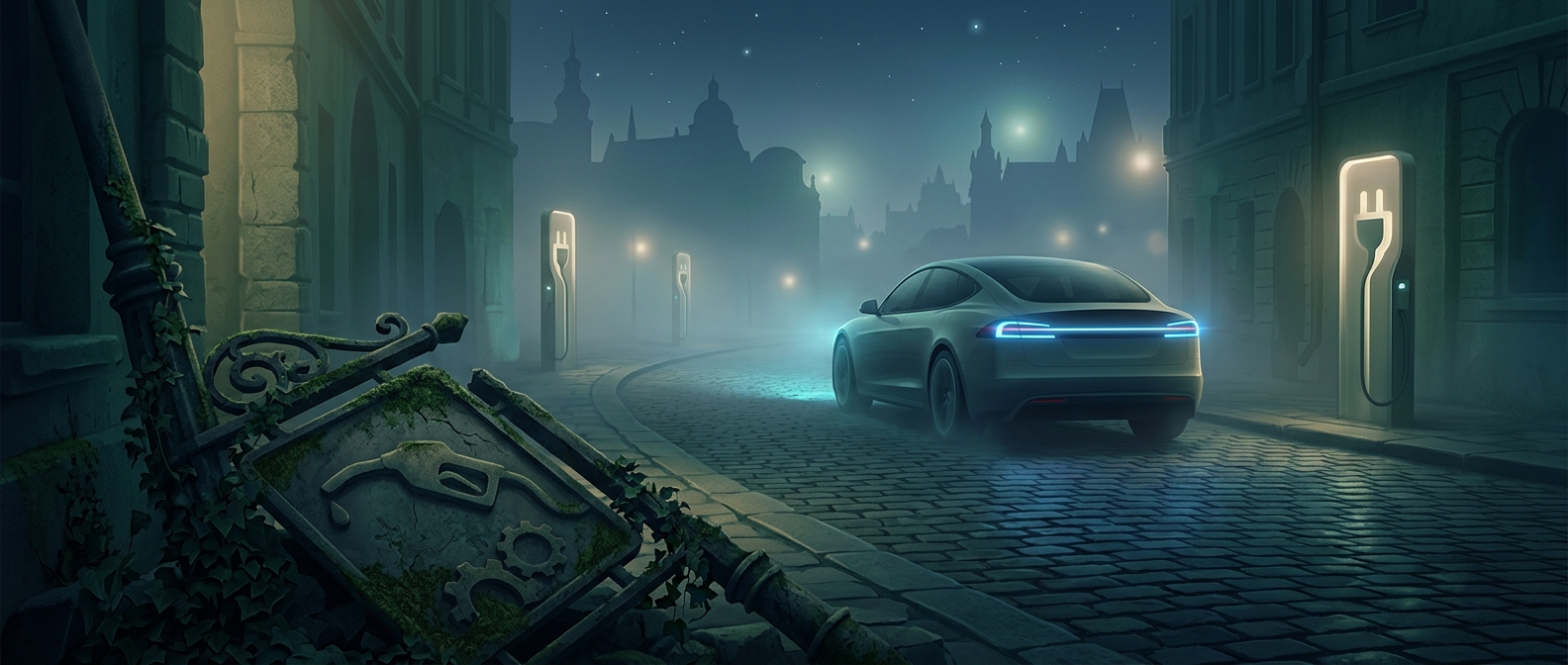
Why city driving gives electric cars an opening
The advantage is not just what happens under the hood; it depends on where and how a car is used. Urban trips often involve repeated stops, low speeds, and short distances. Electric motors can deliver power directly to the wheels, while a diesel engine burns fuel even when the vehicle is moving slowly or idling. That makes stop-and-go driving a setting where electric cars can use energy efficiently.
Chargers turn efficiency into a practical choice
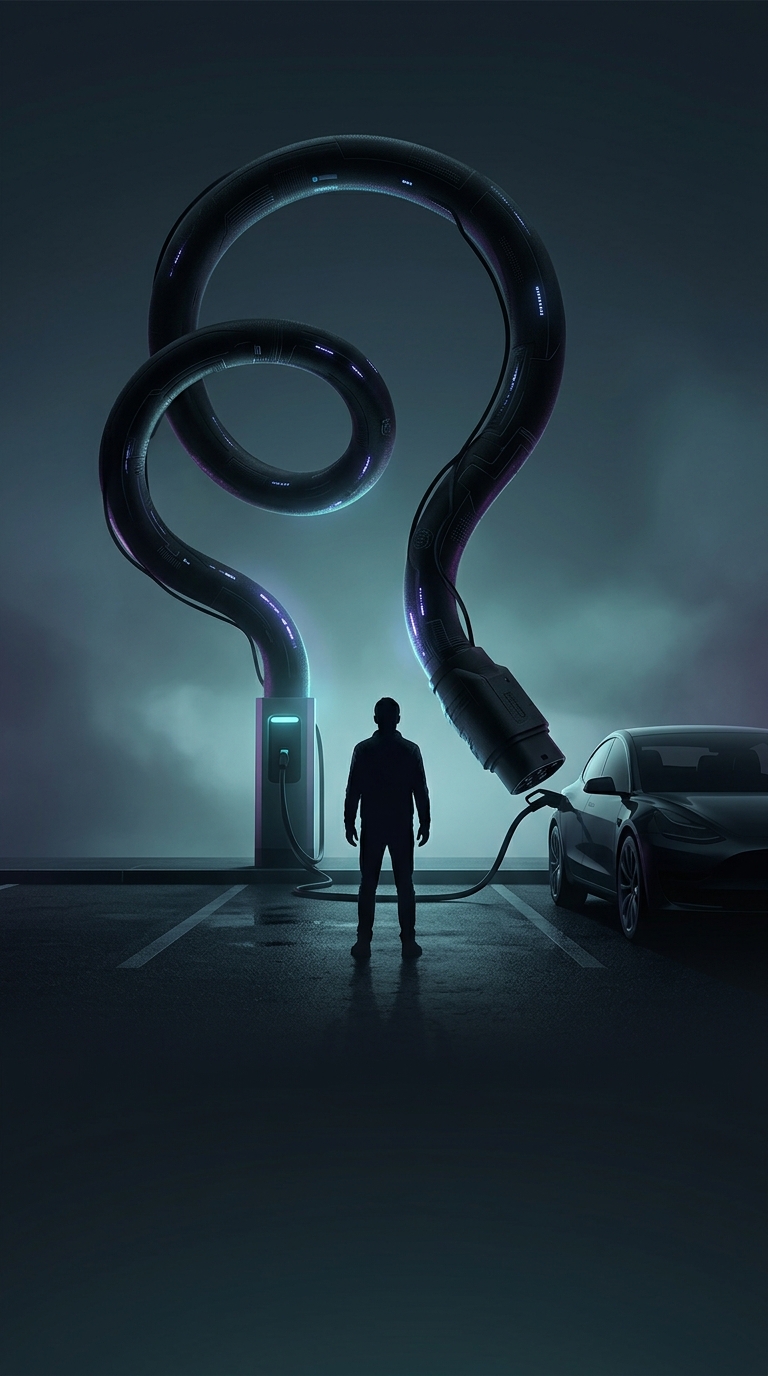
A car that can be charged where it is parked is easier to fit into a daily routine. Reliable public chargers—and, where available, charging at home or work—reduce the need to plan each trip around a scarce plug. Without that access, the lower running cost of electricity may not compensate for the inconvenience of finding a place to recharge.
Diesels still have a practical edge for some drivers: they can refuel quickly and travel long distances without waiting for a charge. The comparison therefore changes from one town, route, or vehicle owner to another. A delivery van returning to a depot each night faces a different calculation from a driver who regularly crosses the continent.
City rules change the cost of driving
Restrictions on exhaust-polluting vehicles can make diesel less convenient or more expensive to use in urban areas. Electric cars produce no exhaust from their tailpipes, so they can avoid those local restrictions and reduce pollution on streets where people live and walk. That does not mean electricity has no environmental impact; it means the pollution from driving is not released at the vehicle’s tailpipe.
The shift is strongest where everyday routes are short, charging is dependable, and city access rules favor cleaner vehicles. A ready charger network makes electric cars more than an efficient alternative: it makes them workable for ordinary trips.