Freezing is more than reaching zero
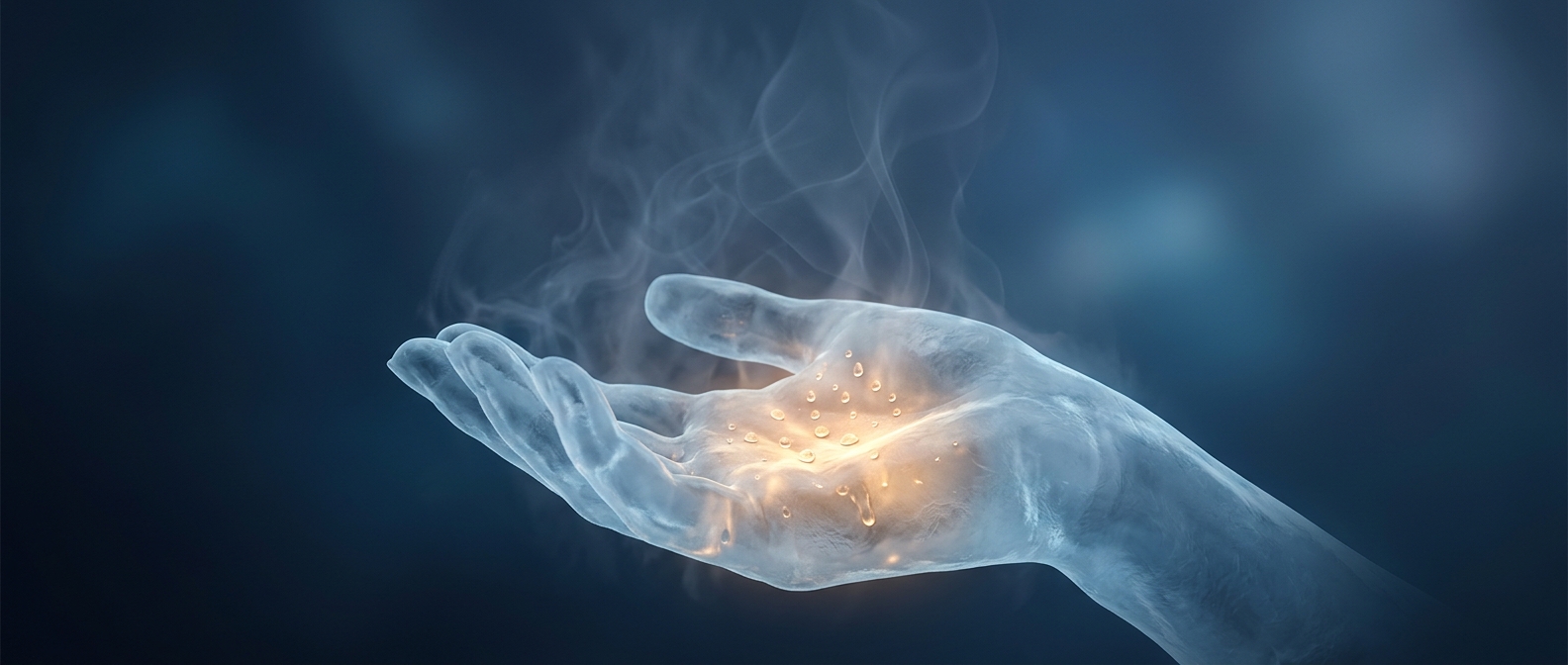
A freezer does not turn water to ice the instant it reaches 0°C (32°F). First the water cools to its freezing point; then it must shed additional heat as liquid water changes into solid ice. That second step takes time because freezing releases latent heat—energy that must leave even though the water’s temperature may barely change.
So a comparison depends on what “frozen” means. One test might stop when ice first appears; another might wait until a whole sample is solid. Those endpoints can produce different winners, especially when the samples cool unevenly.
Why the hotter sample can gain ground
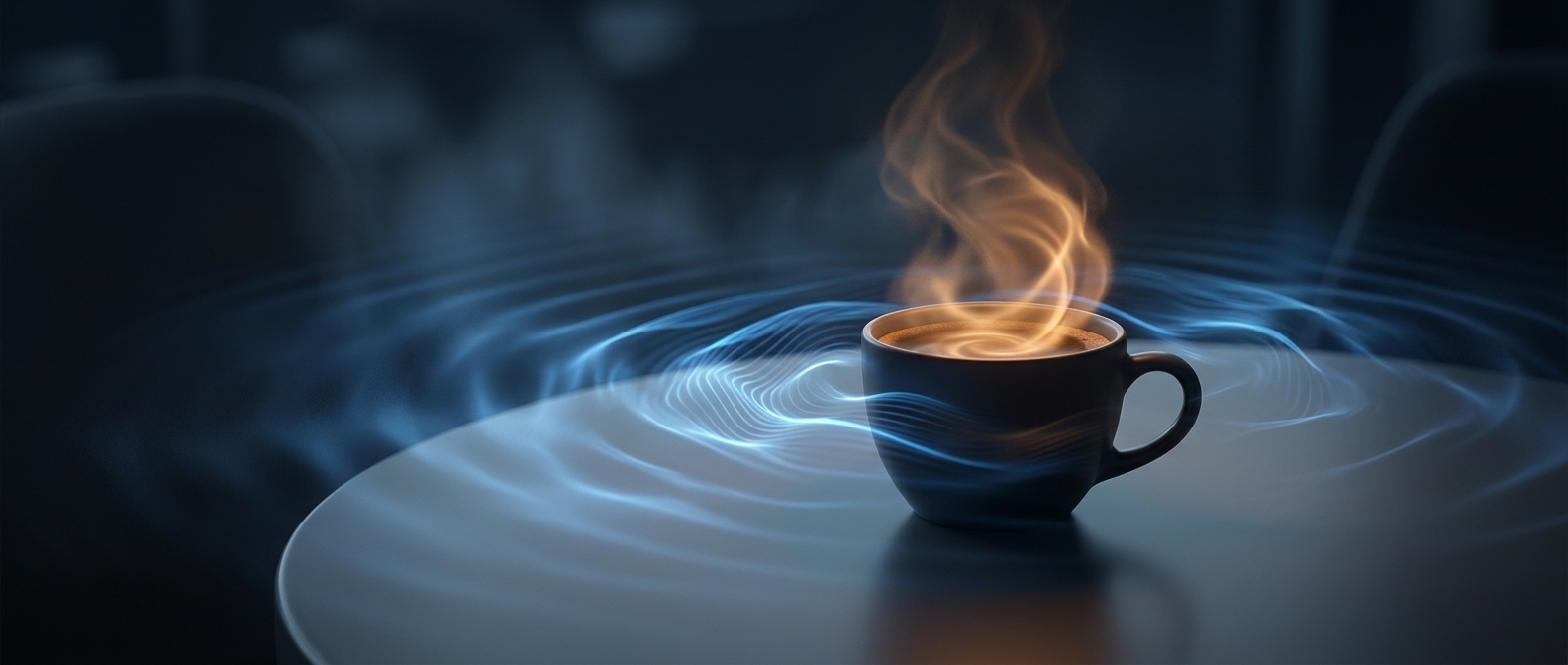
Hot water can develop strong internal circulation as warmer and cooler regions move past one another. That motion redistributes heat, and the container’s shape and contact with the freezer determine how efficiently the heat escapes. Meanwhile, the hotter sample may lose more water as vapor, leaving less liquid to freeze. These effects can help explain some results, but neither guarantees that hot water will freeze first.
Another complication is supercooling: liquid water can remain unfrozen below 0°C until ice crystals begin to form. The moment that starts depends partly on where and how crystals nucleate—the initial formation of an ice crystal. Two samples with nearly identical temperatures can therefore begin freezing at different times.
The setup is part of the result
To compare samples fairly, researchers must control details such as the water volume, container, freezer location, starting temperatures, and the rule for declaring a sample frozen. Even then, small differences in circulation or crystal formation can matter. The Mpemba effect is best understood not as a dependable shortcut for making ice, but as a reminder that a freezing race measures a whole sequence of heat transfer and ice formation—not temperature alone.