When a Controller Gag Became a Design Problem
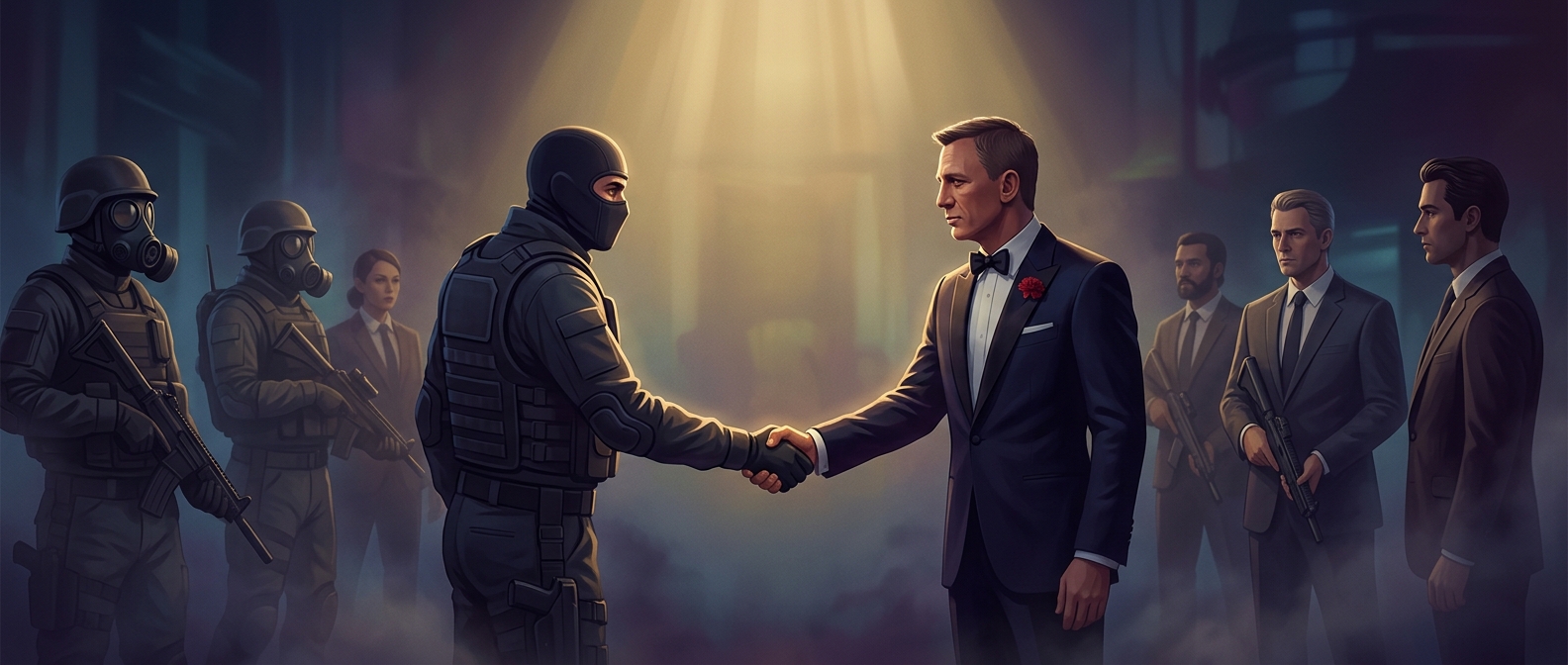
The Rumble Pak gave the Nintendo 64 controller a physical response: it vibrated during play. GoldenEye 007’s early reload idea turned that accessory into part of the game’s controls. To replenish a weapon, a player would have to pull the Pak out of the controller and plug it back in.
That made a virtual action depend on a real-world interruption. A reload normally asks the player to manage time and attention on screen; unplugging a device would also take their hands away from play and break their focus. The novelty was tangible, but so was the cost: the player could lose track of what was happening while handling hardware.
Why the Idea Didn’t Make the Cut
The proposal was stopped before release because the physical chore threatened the rhythm of the action. A feature can be memorable and still make a game harder to play for the wrong reason: here, the player’s attention would shift from the firefight to reconnecting an accessory.
The episode shows how a controller feature can inspire designers to blur the line between game and hardware—and why that line matters. In GoldenEye, reloading needed to remain an in-game action, not a brief repair job performed in the middle of a match.