The gear was part of the production budget
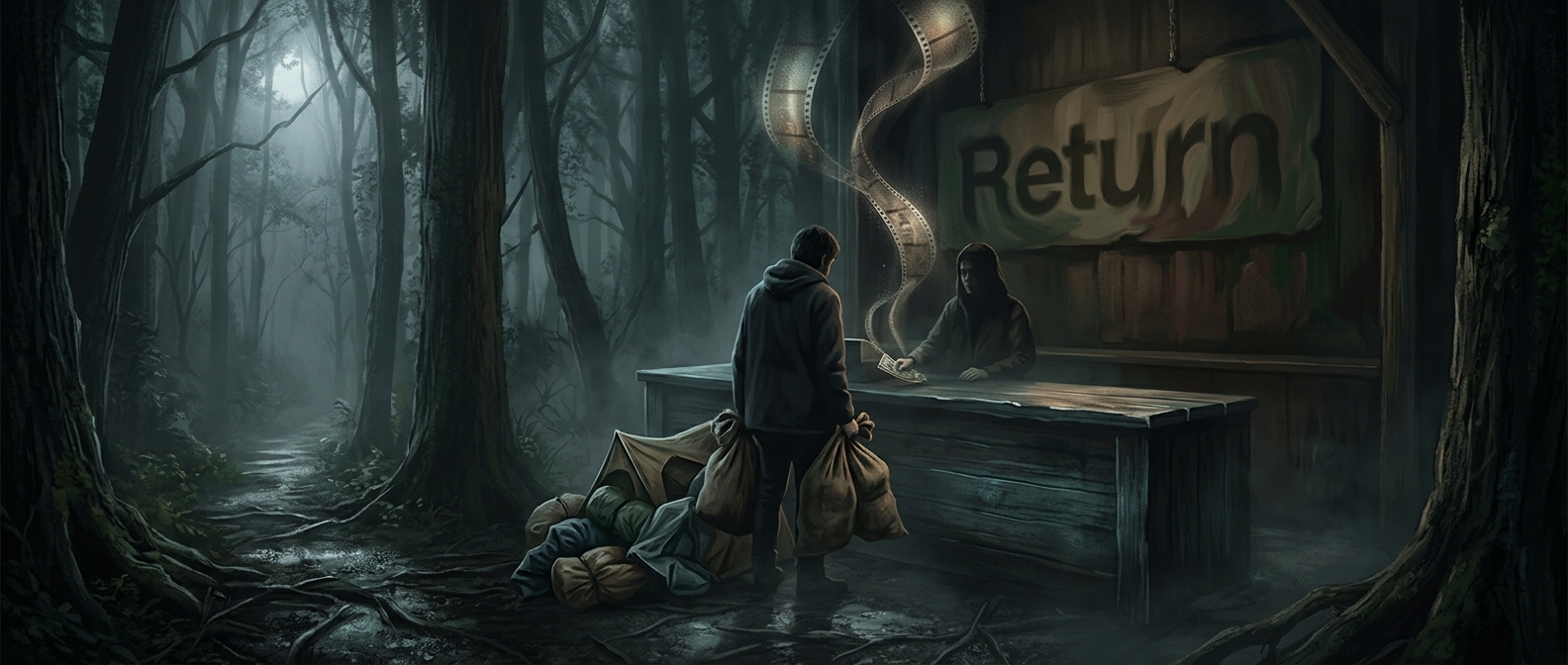
For Eduardo Sánchez and Daniel Myrick, camping supplies and walkie-talkies were not just background details: they were equipment the cast needed during filming. Buying them made the gear available when the shoot required it; keeping the receipts made it possible to return the purchases afterward.
That small piece of bookkeeping reflects a practical feature of filmmaking. A production often needs things for a limited stretch of time, not for the life of the company. When an item can be returned, doing so avoids leaving the cost of temporary equipment in the final budget.
A shoot ends; the purchases do too
The sequence is simple: buy what the cast needs, keep proof of purchase, finish filming, and return the gear. The receipts mattered because a return depends on documenting the purchase—not merely remembering where the supplies came from.
It is an unglamorous detail, but a revealing one: a film’s practical world is built not only by what appears on camera, but also by careful decisions about what the production needs to own once filming is over.