A penthouse became a working base for independent film
Making a film takes more than a camera. Footage has to be reviewed, cut into a sequence, and revised; people also need somewhere to meet and, at times, stay. Shirley Clarke’s penthouse at New York’s Hotel Chelsea brought those needs together for filmmakers working outside the mainstream industry.
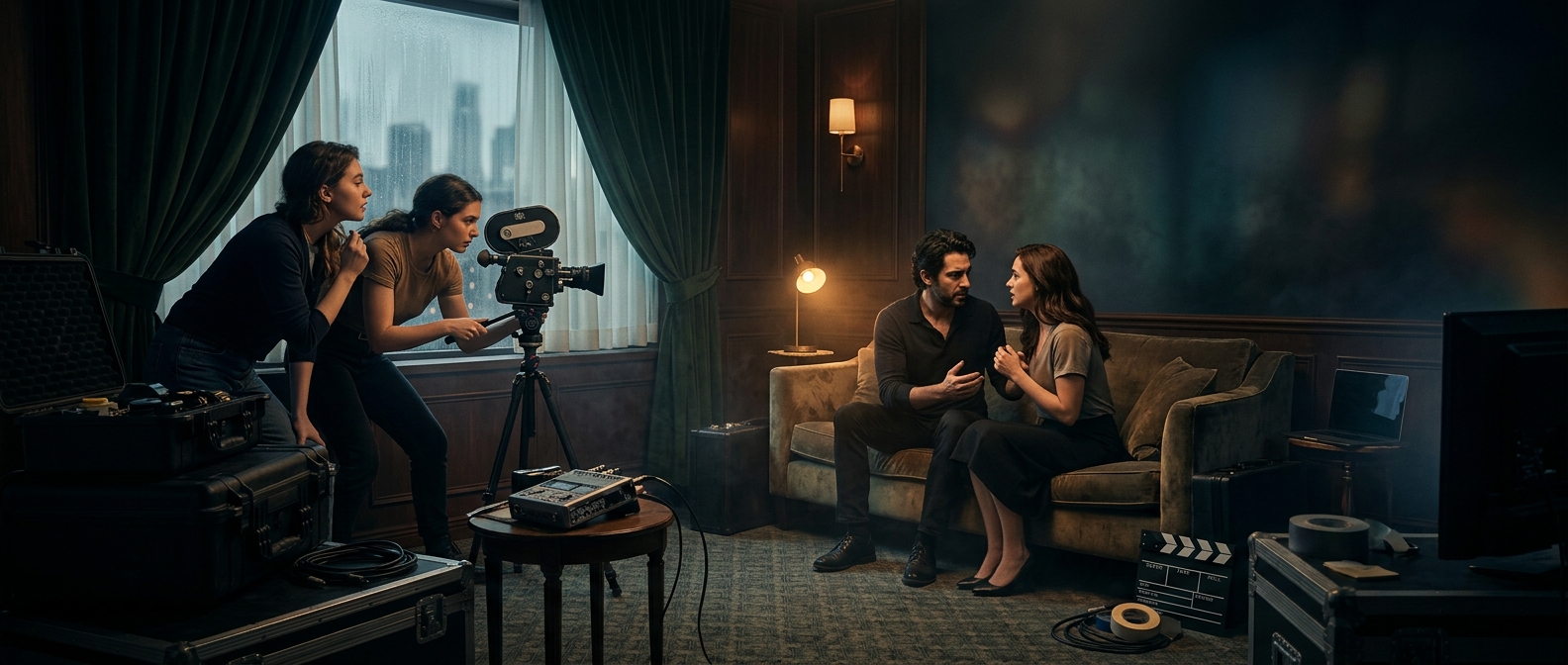
The editing equipment mattered because editing is where raw scenes become a shaped film. Having access to it in a shared, informal space let filmmakers work without relying entirely on a commercial studio’s facilities. Shelter helped make the arrangement practical, while the steady presence of other artists made it easier for people to find collaborators and exchange ideas.
A place can supply what a studio does
Clarke’s contribution was not simply a room in which to shoot. The penthouse functioned as a small-scale production hub: a place to work, regroup, and connect. That kind of support can matter especially to independent filmmakers, who often have to assemble resources and partnerships without the backing of a large company.
The result was a filmmaking community built around shared access rather than a formal institution. A hotel room could not replace a full studio, but it could keep projects moving—and help turn isolated filmmakers into an interconnected scene.