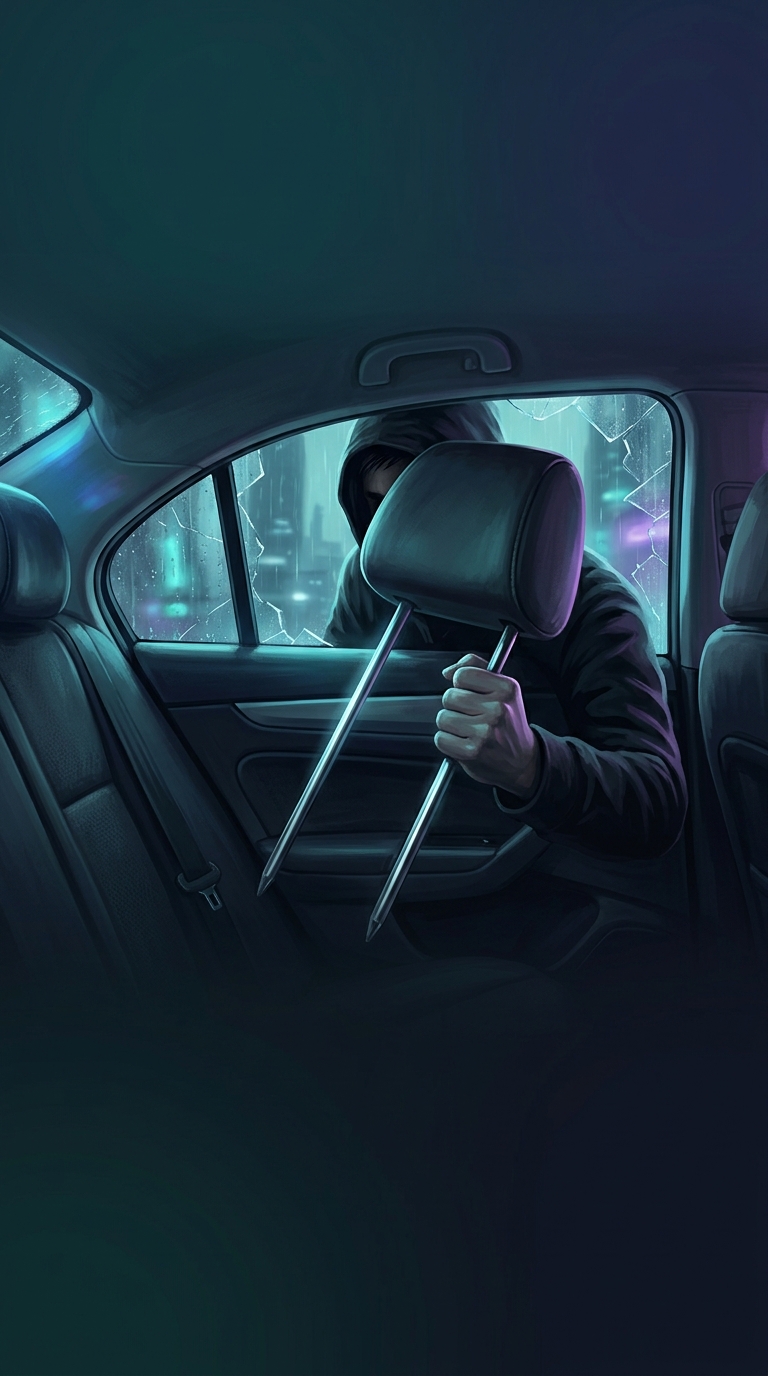
The headrest’s rumored escape-tool role
The idea is simple: if a crash leaves a door jammed, pull out the headrest and use its metal supports to break a side window. In a real emergency, getting a window open can be the difference between escaping and being trapped—but a removable headrest is not a dependable glass-breaking tool. Its supports are not necessarily shaped or built to shatter a window, and striking automotive glass with them may accomplish nothing.
Why window type matters
Most side windows are made of tempered glass, which is designed to crumble into small pieces when it breaks. Some vehicles use laminated glass in side windows; its layers can crack while remaining held together, making escape harder. A headrest pin that might damage one kind of glass may be ineffective against another.
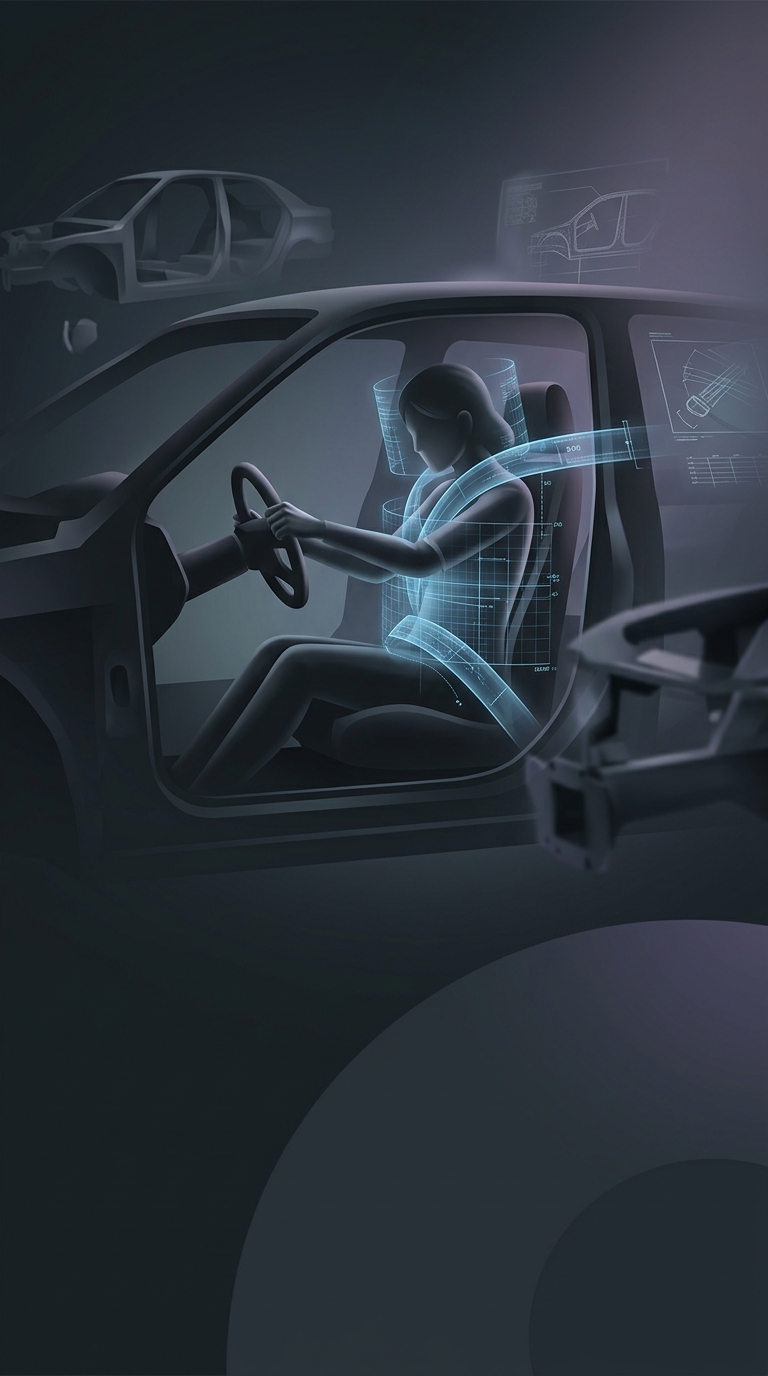
Headrests are removable primarily so they can be adjusted or taken out when the seat needs to accommodate a passenger or child seat. Their safety job while installed is more direct: positioned close behind the head, they help limit how far it snaps backward in a rear-end collision.
The emergency lesson is to know how your own car’s windows and escape tools work before trouble starts. A purpose-built window breaker is a more reliable option than assuming the headrest will do the job.