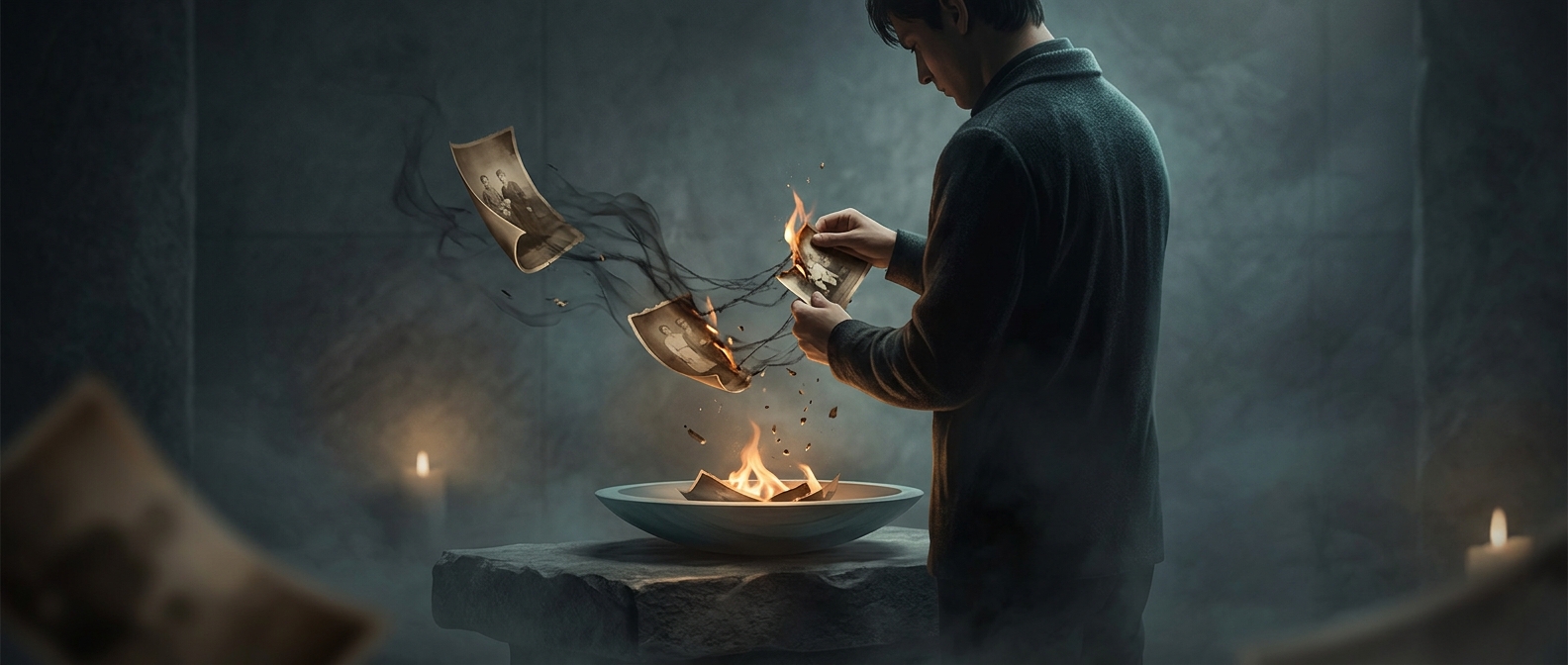
Why a Photograph Could Stand in for a Person
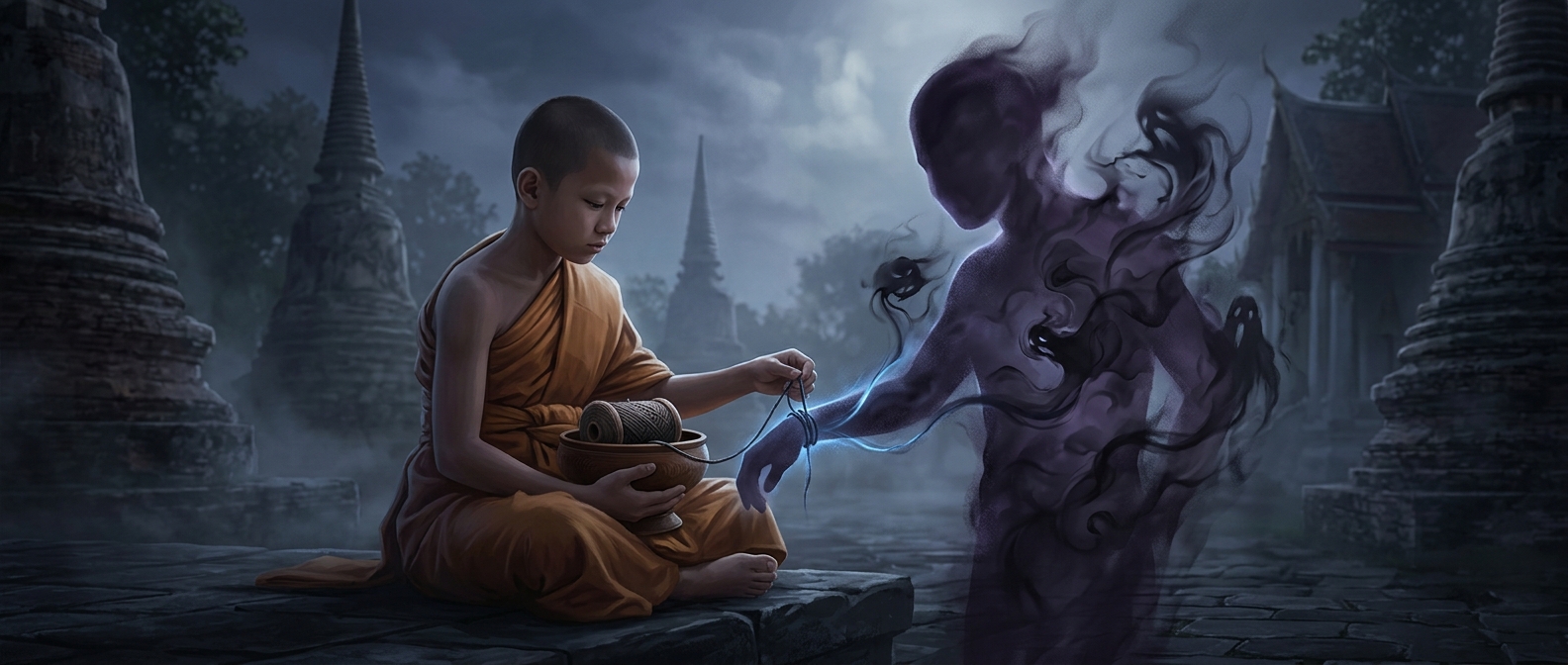
In some forms of folk magic, an image was treated as more than a likeness. It could be understood as a surrogate—a stand-in connected to the person it depicted. This idea is often called sympathetic magic: the belief that acting on something associated with a person can affect that person, or the bond between them.
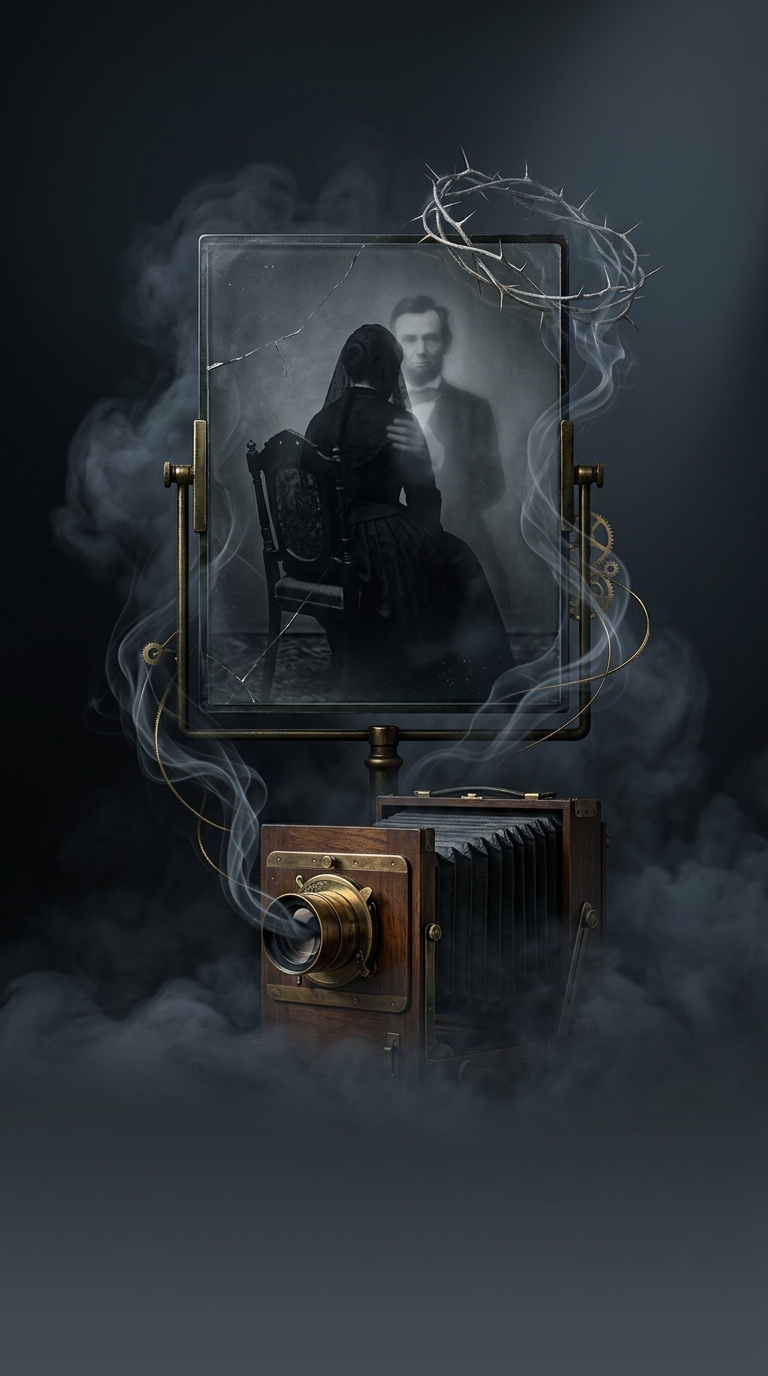
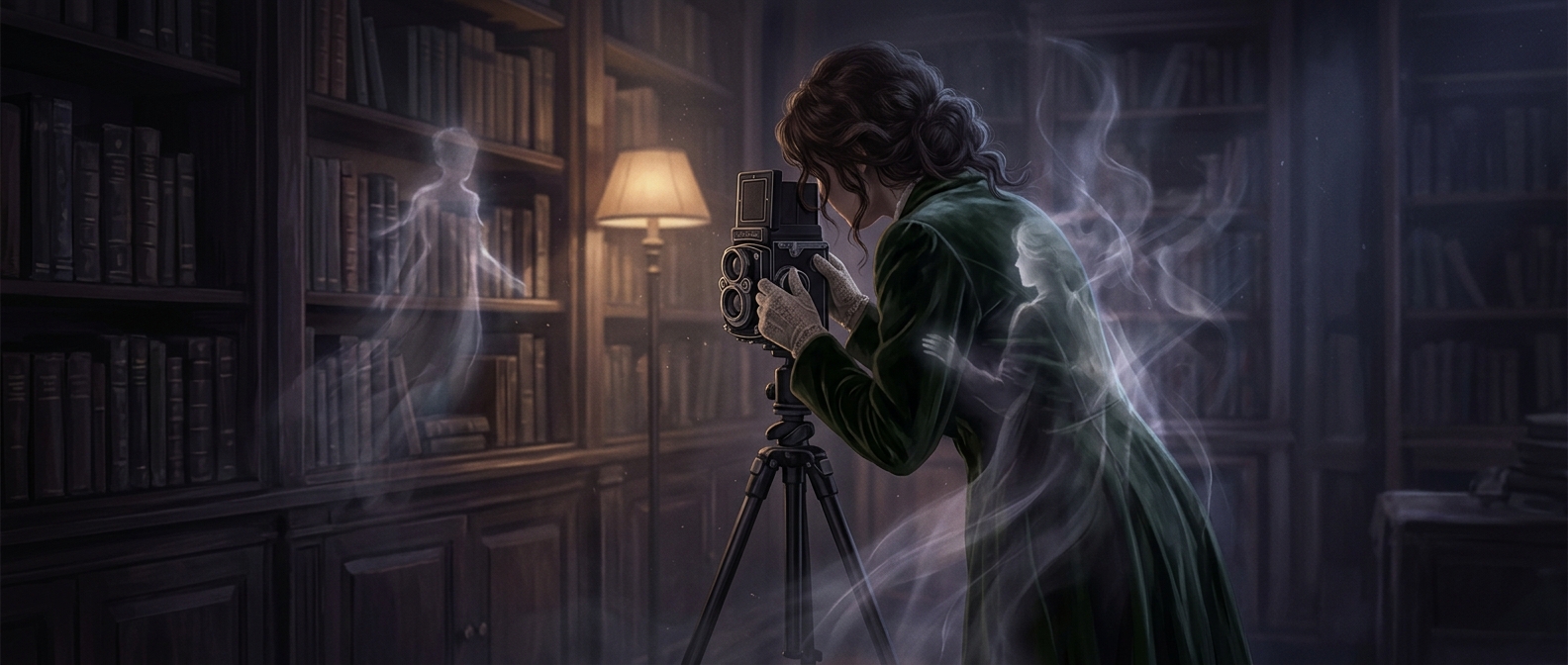
A photograph made that connection feel especially tangible. It fixed someone’s appearance on paper, turning an absent person into an object that could be held, kept, or acted upon.
Destruction as a Way to End the Connection
If an image was thought to preserve a link, destroying it could serve as a deliberate counteraction. The aim was not simply to discard a reminder. Within the ritual’s logic, breaking or eliminating the image could symbolically cut off the enemy’s continuing influence and restore a sense of separation or control.
The same act could carry two meanings at once: removing the physical object and declaring that the relationship it represented no longer had power. The photograph mattered because it made an invisible, feared attachment seem visible—and therefore something a person could try to break.