How a second image could haunt a photograph
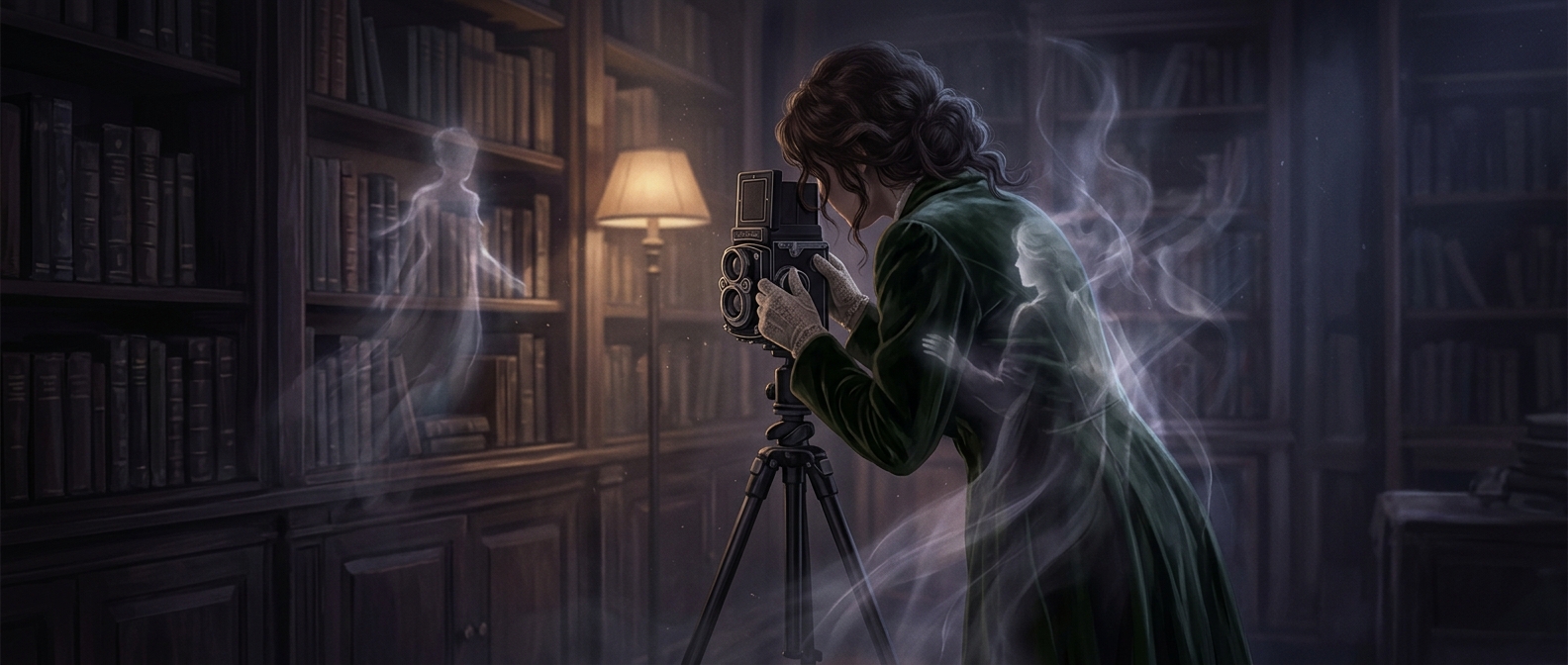
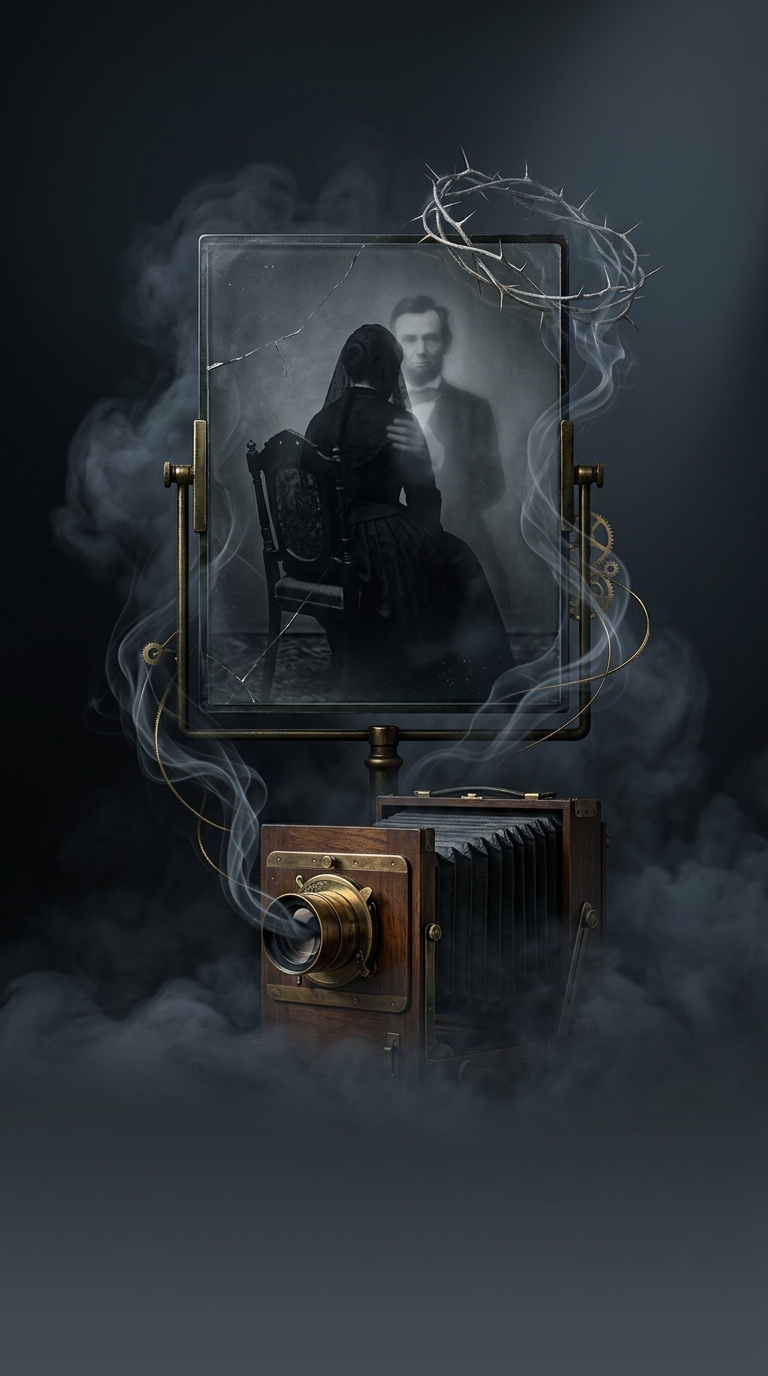
In 1861, photography was a hands-on process. A photographer coated a glass plate with a light-sensitive chemical mixture, exposed it in the camera, and developed it while the coating was still wet. The plate then had to be cleaned before it could be used again. If an earlier image remained—or if the plate was exposed twice—two pictures could register on the same surface. The result might show a faint figure floating behind the main subject.
That technical accident offered a convincing visual effect, but it did not establish that the figure was a spirit. The photograph recorded light reaching the plate; it could not identify where that light came from. A previous exposure, a staged figure, or another photographic trick could produce an apparition-like image. Mumler’s work became known as “spirit photography” because he presented such images as evidence that the dead could appear in portraits.
Why the pictures mattered to mourners
A photograph was already valued as a likeness of someone who was absent. A supposed spirit image extended that idea: the dead might not merely be remembered but visibly present beside the living. For families grieving a recent loss, that promise gave the pictures an emotional force that technical explanations alone could not erase.
Mumler’s most famous portrait showed Mary Todd Lincoln with a figure identified as her murdered husband, President Abraham Lincoln. The image’s power depended on viewers accepting that identification—not on the photograph itself proving it. The broader vulnerability was easy to miss: a portrait could preserve a real face while leaving the origin of a second, ghostly face open to manipulation. When purported spirits were recognized as living people, that gap between what the camera recorded and what the photographer claimed became impossible to ignore.