What “ectoplasm” was supposed to do
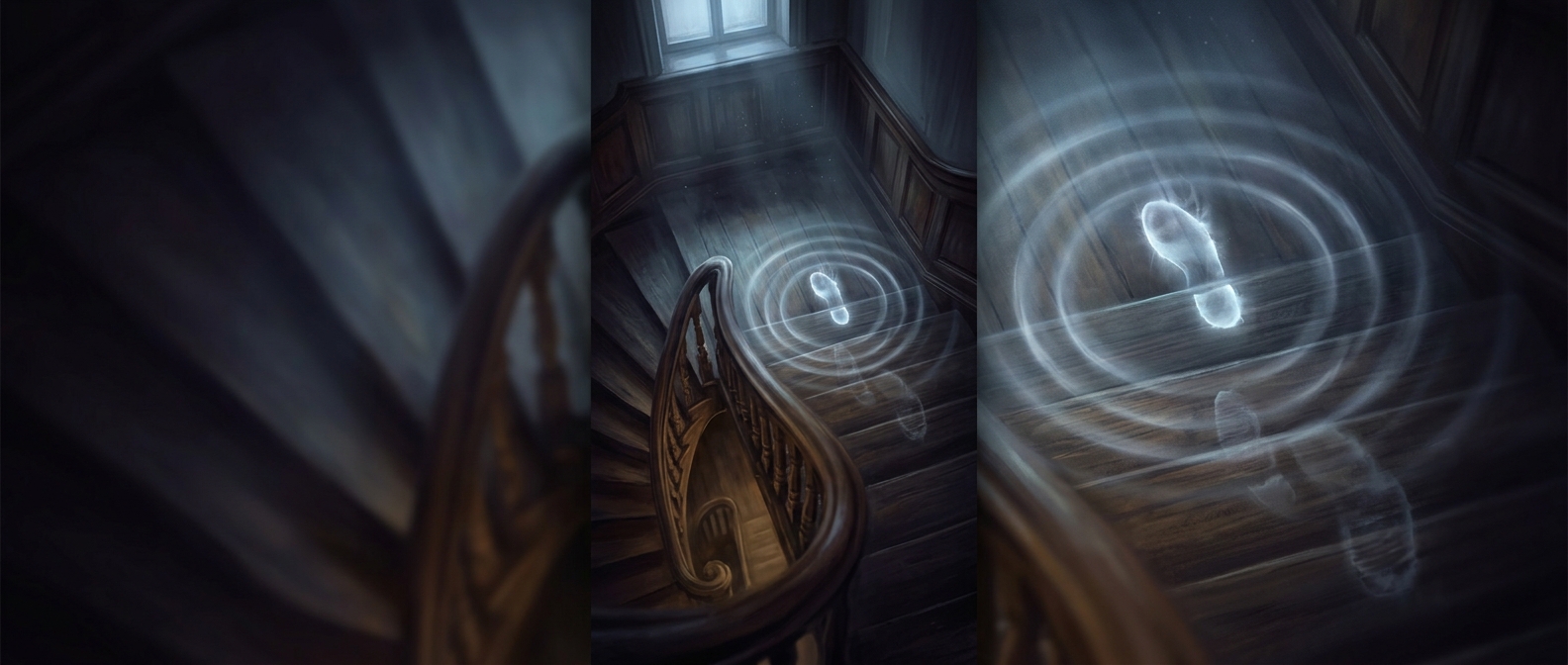
In spiritualist accounts, ectoplasm was imagined as a material bridge: something a spirit could draw from a medium to make itself visible or affect the physical world. The term comes from the Greek for “outside” and “formation,” but its meaning here belongs to a tradition of séances, not to an established substance in science.
A substance shaped by the séance
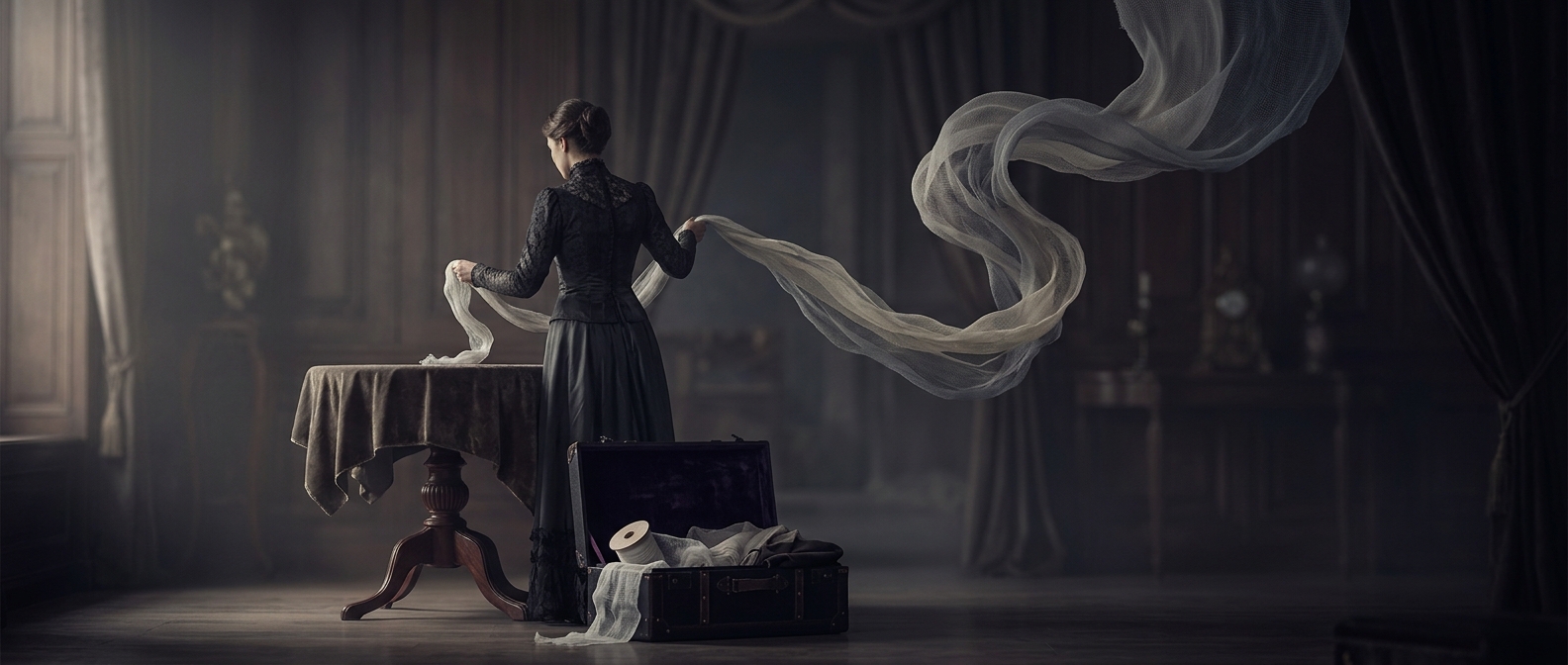
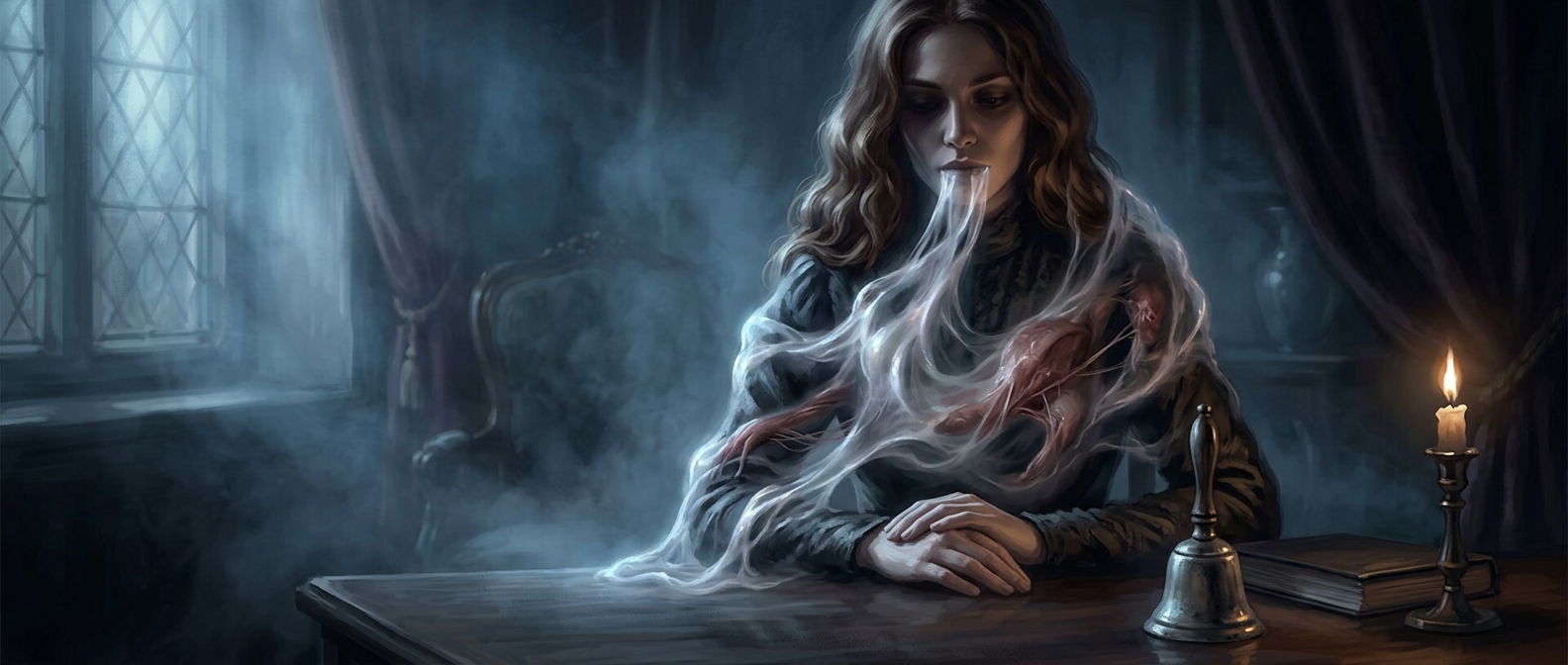
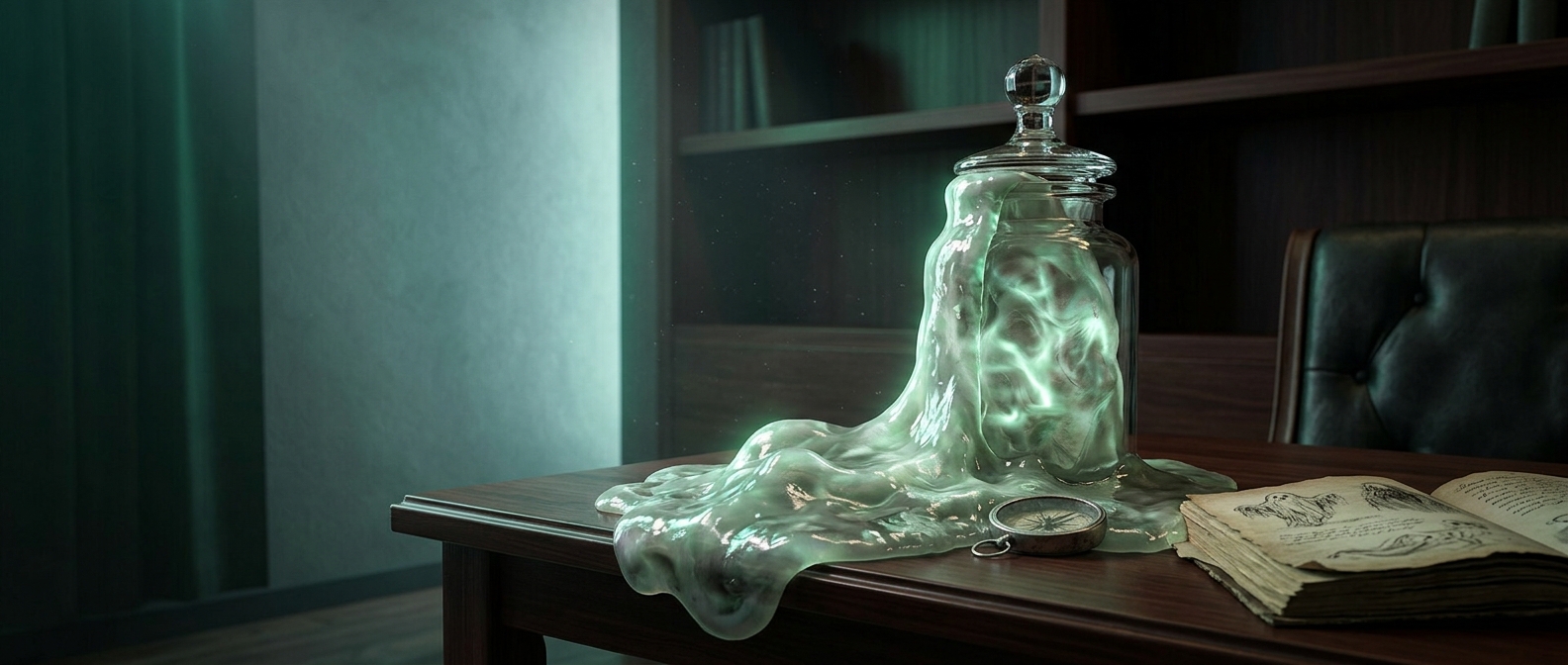
Descriptions often made ectoplasm seem partway between matter and a ghostly presence—soft, stringy, or gauzy, and emerging from a medium’s body during a trance. That image helped explain how an unseen spirit might produce a visible face, hand, or other sign in a darkened room. The discomfort was part of the idea: the supernatural was not merely appearing nearby but seemed to involve the body directly.
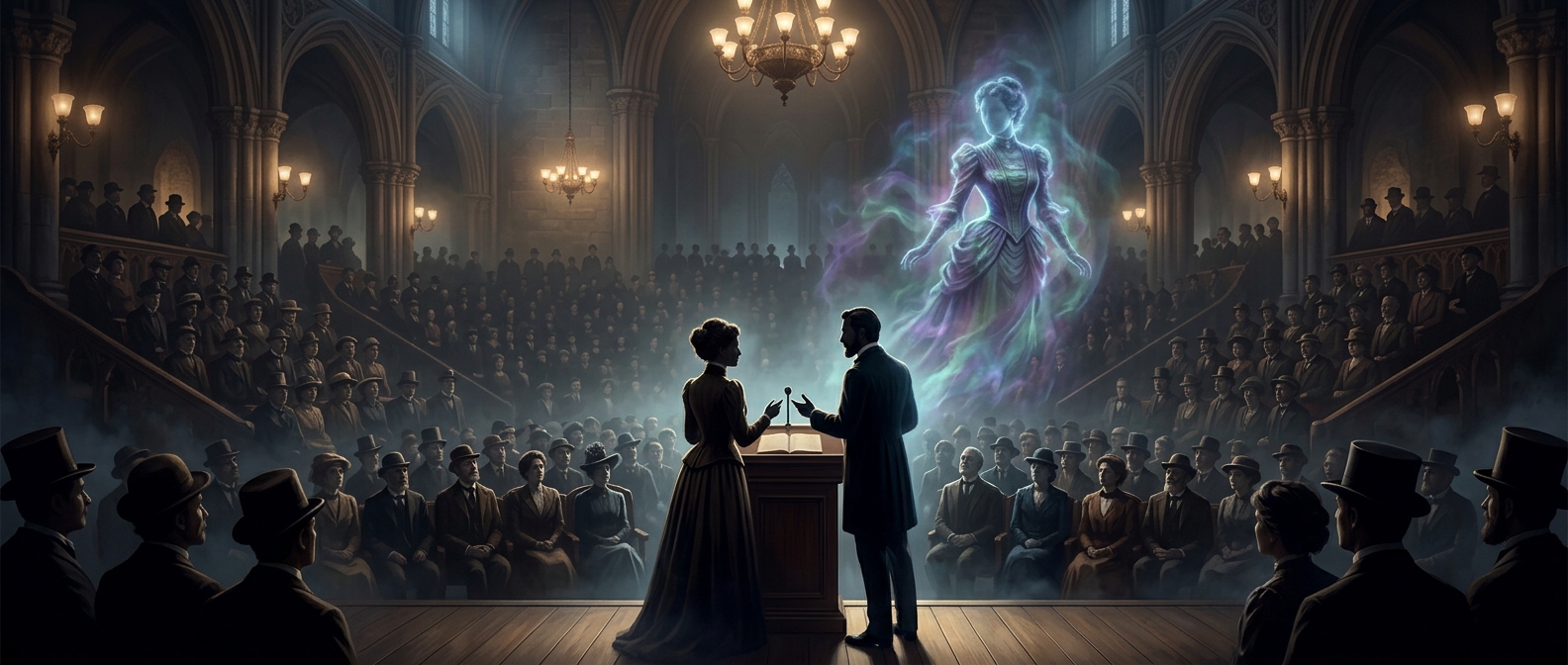
The séance setting mattered. Dim light, expectation, and a medium’s altered state made ambiguous sights harder to inspect, while the supposed substance gave believers a concrete explanation for what they thought they witnessed. Ectoplasm therefore served both as a claim about spirits and as a story about the body becoming a channel between worlds.
Why the image endured
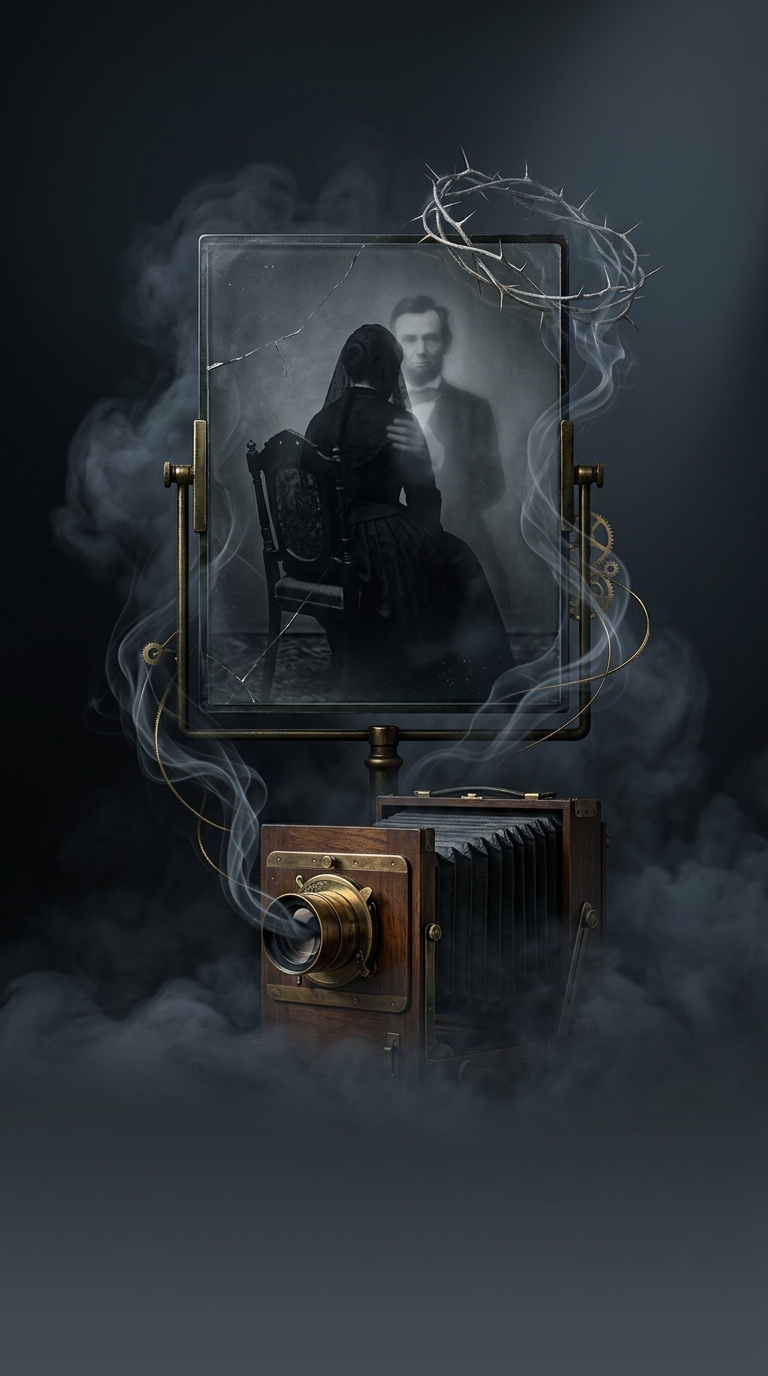
The concept traveled beyond spiritualist gatherings into fiction, stage comedy, and popular images of ghosts. Its bodily, gooey quality made an invisible claim easy to picture—and easy to turn unsettling or absurd. That contrast is why ectoplasm remains recognizable: it gives the supernatural a texture, even though the lore does not establish that such a substance exists.