Why Would a Spirit Need Trousers?
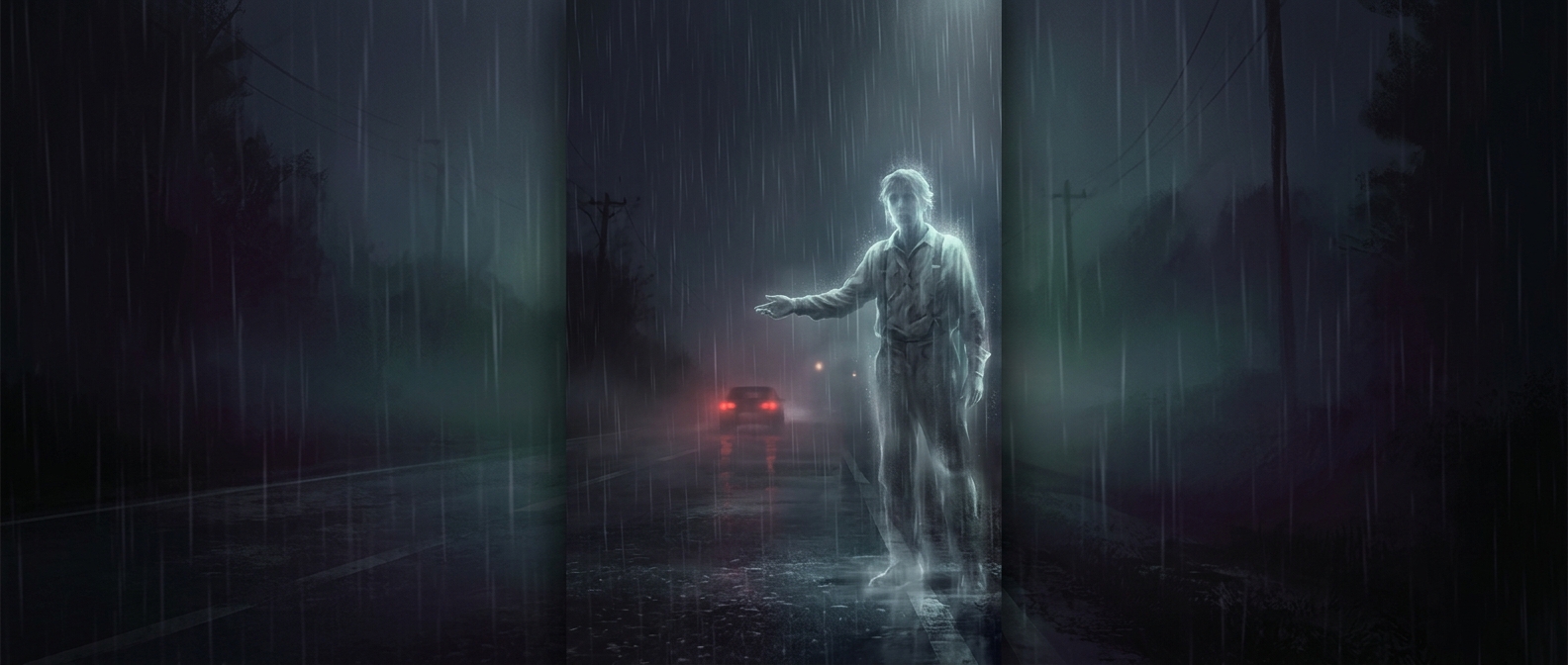
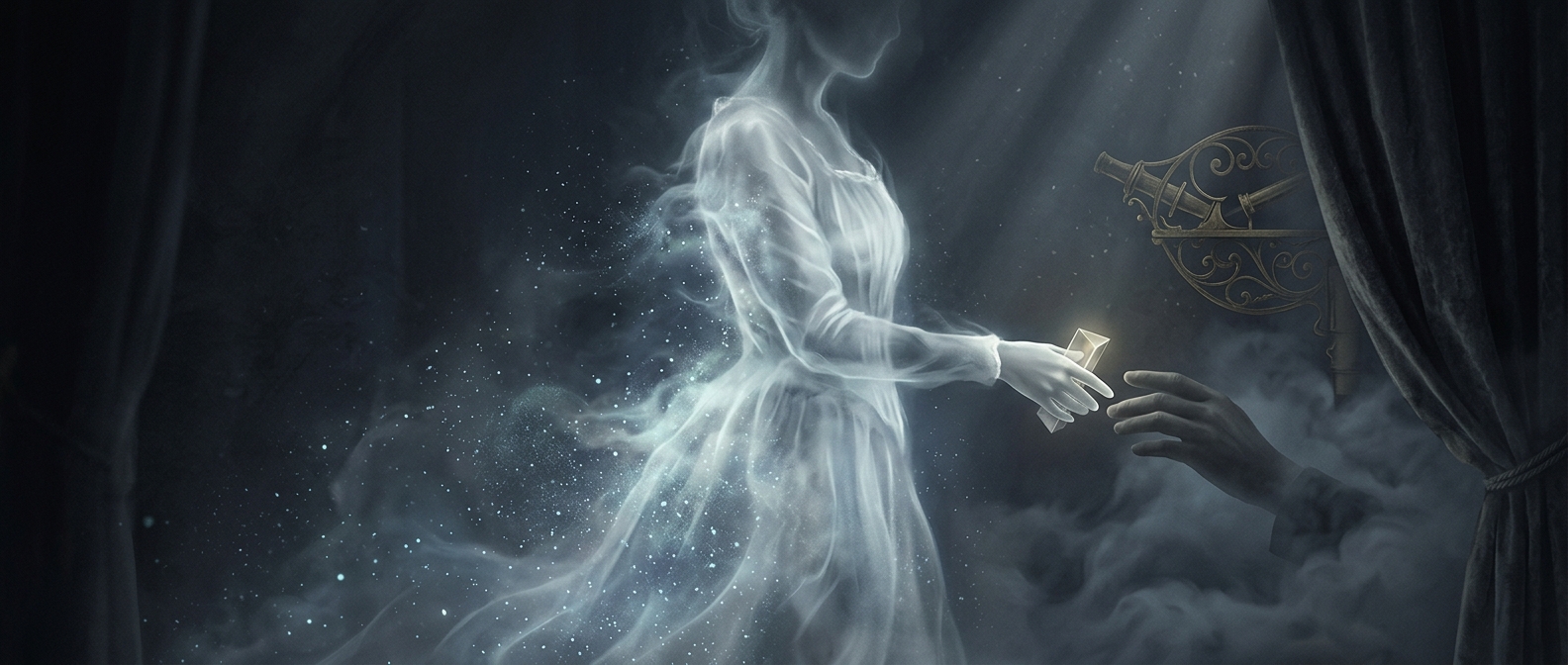
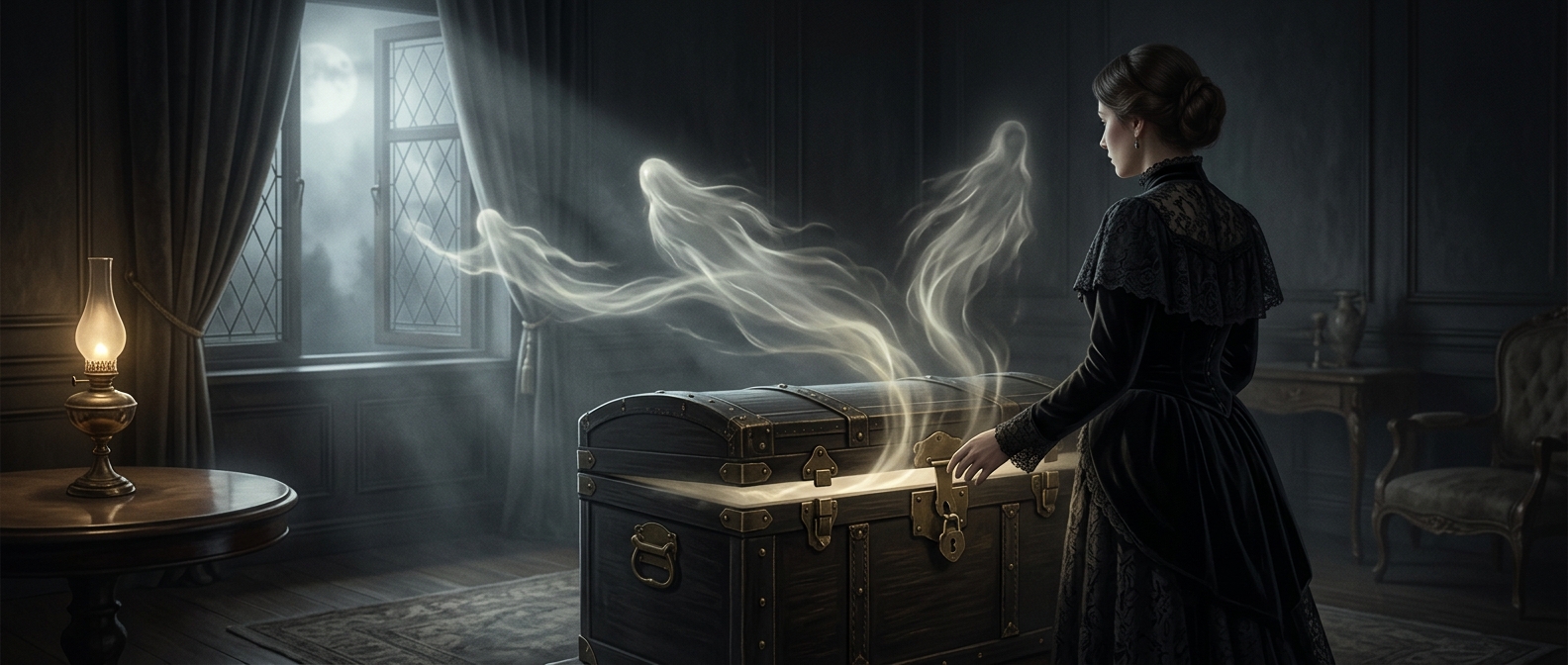
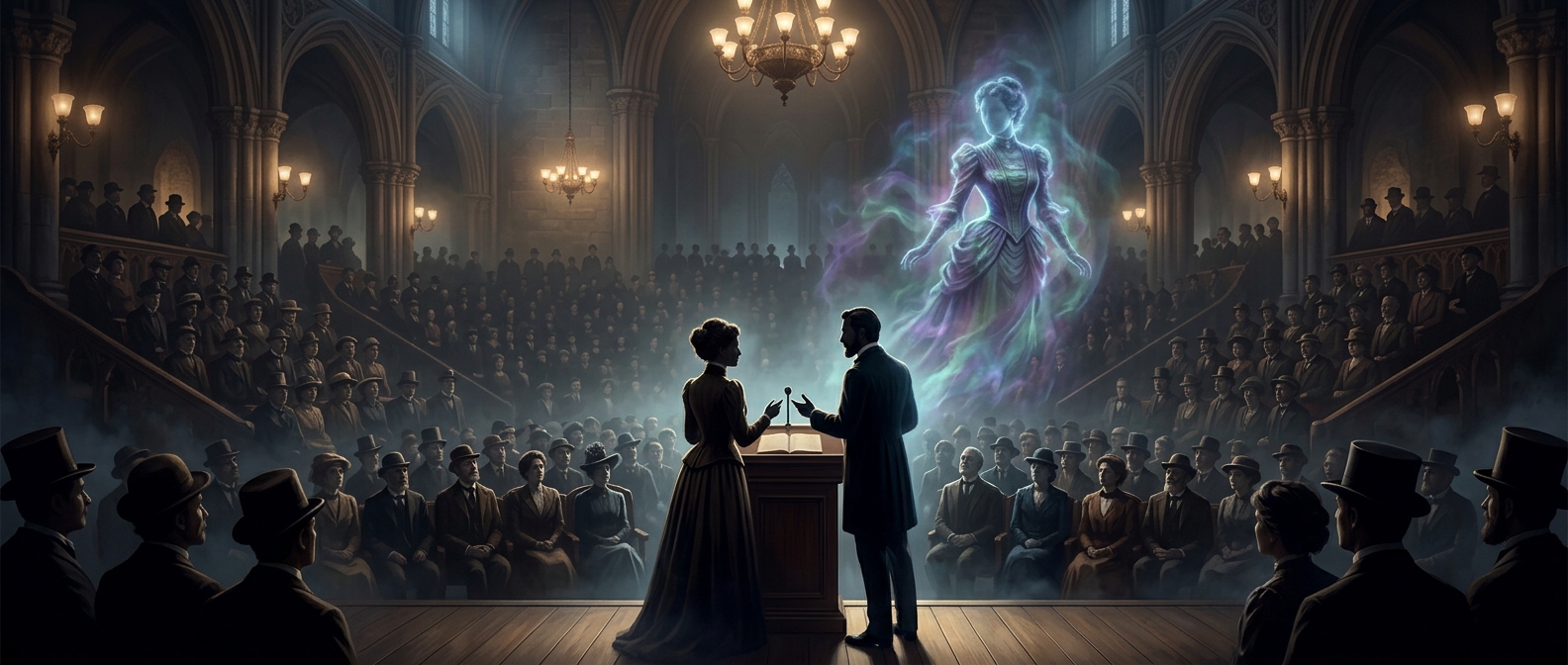
For Spiritualists who believed the dead could appear visibly at séances, clothing posed a practical puzzle. A spirit was supposed to be immaterial—without a solid body—yet witnesses described figures that looked startlingly ordinary, sometimes down to their clothes. If the figure was not made of ordinary matter, what exactly were its trousers made of?
The question mattered because clothing seemed to make an apparition more than a vague glow or fleeting silhouette. A recognizable outfit helped make the figure legible as a person, but it also made the claim of etherealness harder to explain.
Different Answers to the Same Problem
Spiritualism had no single authority that settled the issue. One line of thought treated the spirit as retaining a recognizable form after death, with its appearance—and perhaps its clothing—created by spiritual power. Other explanations treated clothes as part of the visible manifestation: something the spirit could produce or shape for the occasion, rather than fabric worn in the ordinary physical sense.
Those ideas tried to bridge two competing expectations. An apparition had to be intangible enough to count as a spirit, but solid-looking enough to be seen and identified. The more lifelike the reported figure became, the more questions followed about how its body and garments could appear together.
The Afterlife in Familiar Clothes
The debate also reveals how strongly people pictured the afterlife through everyday human identity. A spirit appearing dressed was not merely an abstract presence; it looked like someone who had lived in a material world, where bodies were recognized and clothes were part of being seen. The ghostly-trousers puzzle was therefore more than comic speculation: it exposed the gap between the invisible nature Spiritualists attributed to spirits and the ordinary, human form in which they expected them to appear.