How “ectoplasm” was made to appear from nowhere
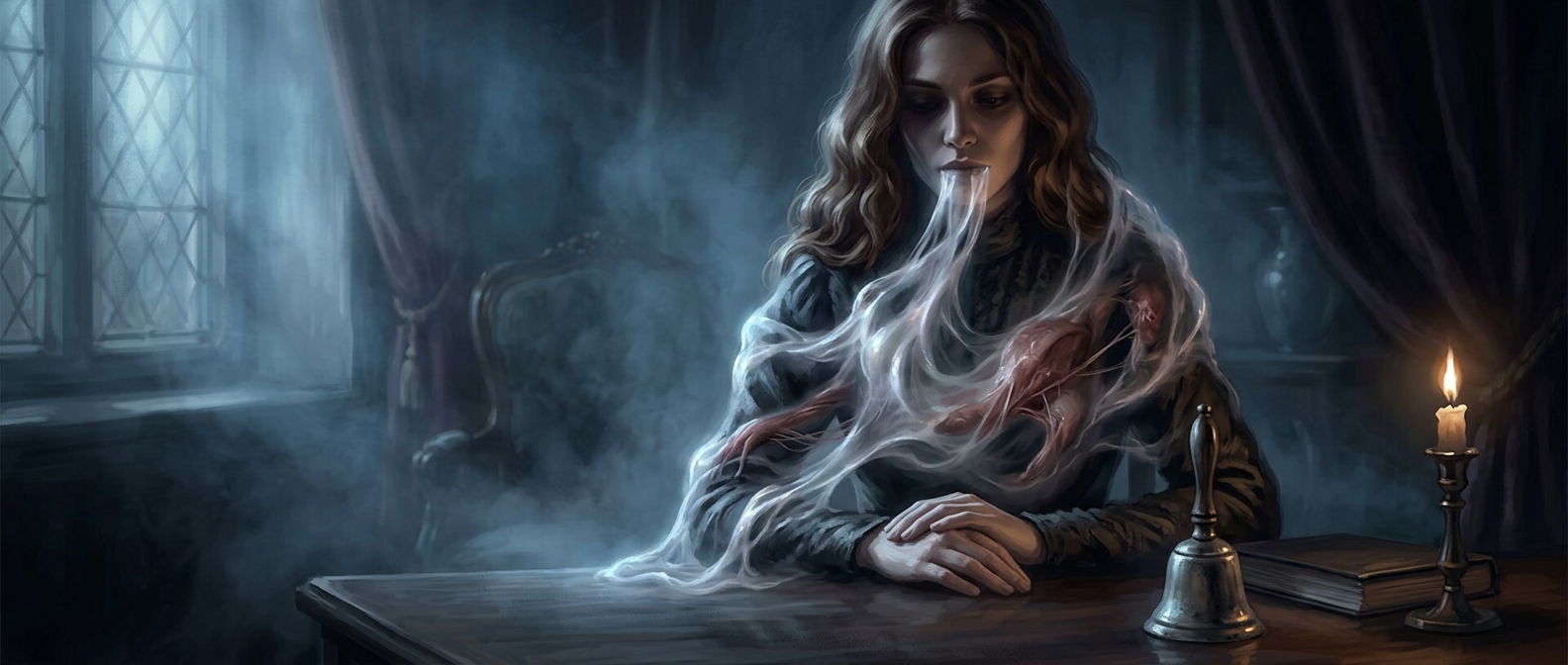
At séances in the late 19th and early 20th centuries, some mediums claimed that a mysterious substance called ectoplasm emerged from their bodies as evidence of contact with the dead. In the dim room, a length of pale fabric could seem less like cloth than something newly produced by an unseen force.
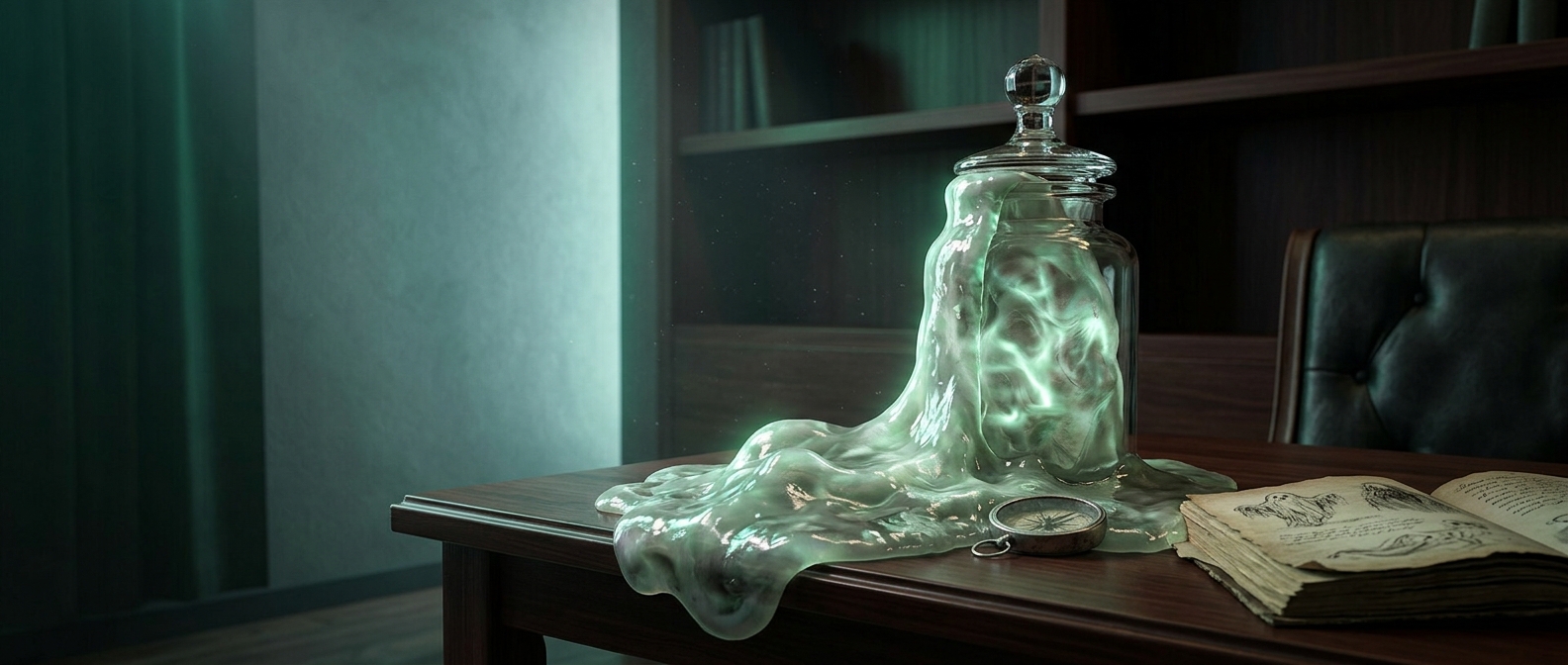
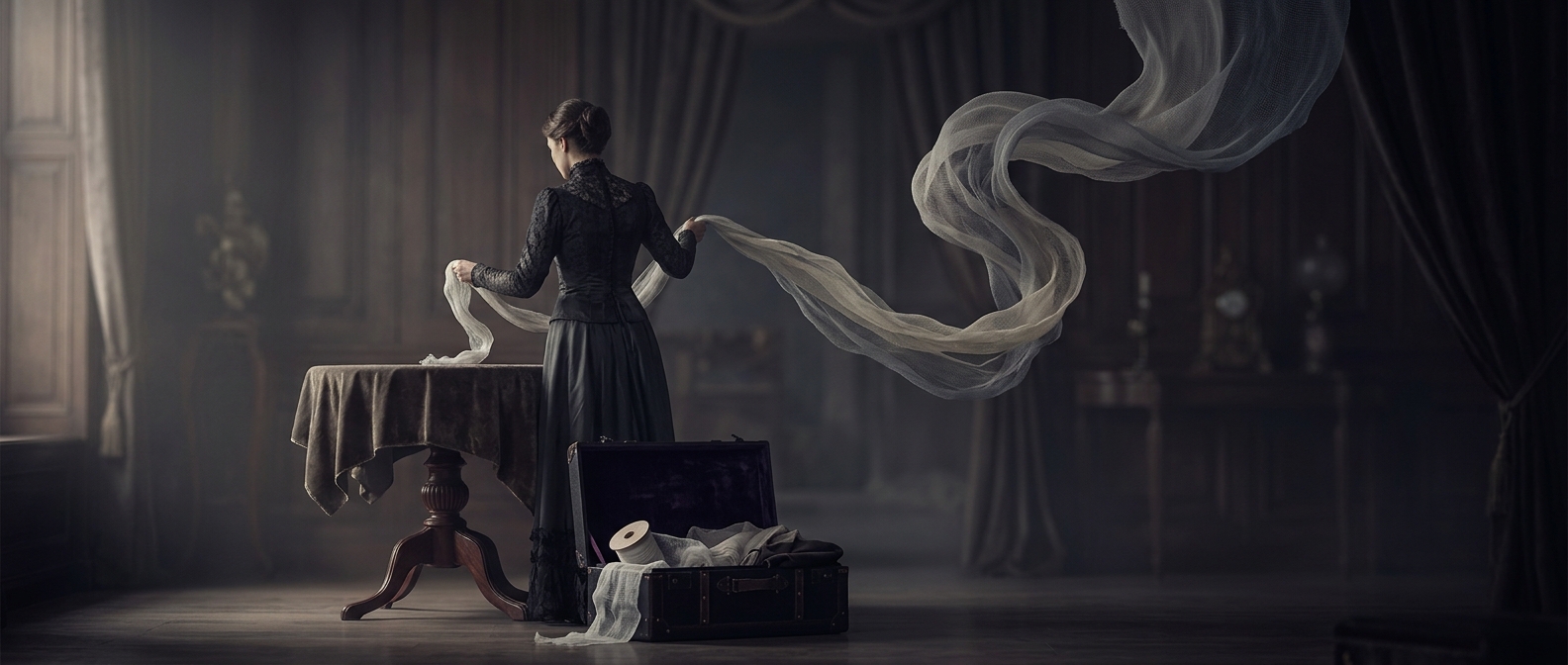
The trick depended on concealment and timing. A medium could hide muslin—a plain, loosely woven cotton fabric—in the mouth, then bring it back up during a séance. Darkness made it harder for people watching to see where the material had been or how it was handled. Goose fat rubbed onto the cloth gave it a slick sheen, helping it look wet and strangely organic by candlelight.
Why the setting mattered
The fabric itself was ordinary; the effect came from how it was presented. A séance’s low light, the audience’s expectation of a supernatural display, and the medium’s control over when the material appeared all helped turn a simple prop into apparent evidence. If spectators could not inspect the substance closely, they had fewer chances to recognize its texture or trace its origin.
That does not mean every person who attended a séance was easily fooled. Some came hoping for contact with the dead, while others watched skeptically. But a staged appearance could feel persuasive in the moment, especially when the material seemed to emerge from a person rather than from a visible container.
The episode illustrates a practical vulnerability in demonstrations of the paranormal: a dramatic effect is not the same as proof of its cause. In a dark room, a piece of greasy muslin could be made to look like a substance from beyond the body.