The “Ectoplasm” Hidden in a Medium’s Séances
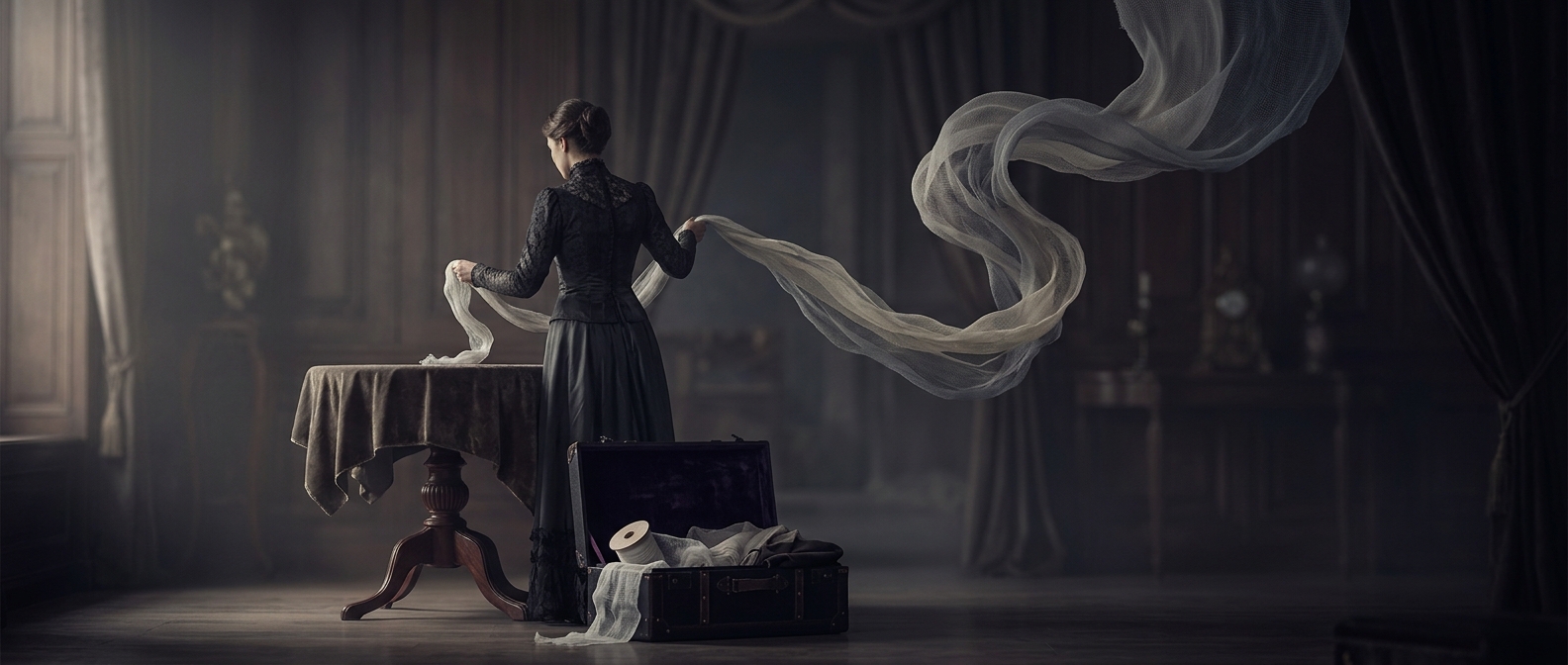
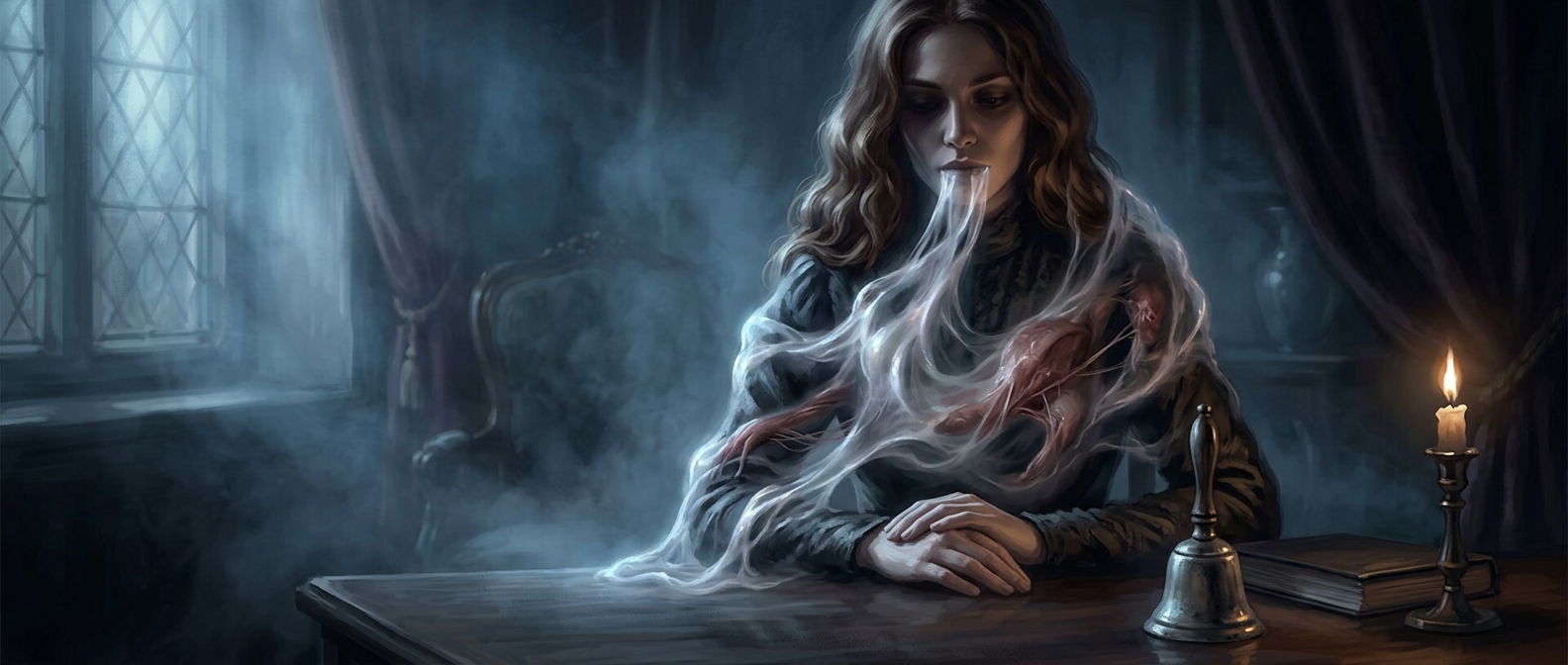
In the 1920s, Boston medium Margery Crandon became a celebrated subject of séances—meetings where participants hoped a medium could communicate with the dead. One dramatic claim was that a pale, pliable substance called ectoplasm emerged from her body as evidence of spirit activity. The supposed material made an invisible claim seem tangible: witnesses could see and touch something in the room.
A physical prop, not a spirit substance
Biologists who examined samples identified them as carved animal lungs and windpipes. These organs are soft and fibrous, and their branching structures could look uncanny when displayed under séance conditions. The account says Crandon smuggled the tissue into the room, where dim lighting and close, emotionally charged attention made it harder for observers to inspect what they were seeing.
That distinction mattered. A material presented as a supernatural manifestation could instead be tested as an ordinary specimen. Its physical texture might impress a séance audience, but biological examination offered a way to ask what it was made of—and the reported identification pointed to animal tissue rather than a new substance.
Why the episode drew scrutiny
Crandon’s case became part of a wider effort to test mediumship under controlled observation. The challenge was practical as well as philosophical: if a medium could produce a visible object, investigators needed to establish whether it appeared without ordinary materials or opportunities for concealment. A convincing performance was not, by itself, proof of its claimed cause.
The episode is striking because the alleged evidence was unusually concrete. The “ectoplasm” could be handled, but that did not make its supernatural explanation true; its physical composition told a different story.